⚠️ This page connects you to Atovia’s partners and affiliate markets. We may receive a commission from affiliate partners for activities made through these links. Discount offers may change at any time according to policy! Rest assured, there are no additional costs to you! We hope this saves you time in finding the right items!
Feeling overloaded and wondering whether a supplement could take the edge off? This guide gives you an evidence-informed shortlist, a side-by-side comparison, and a buying checklist. Supplements can support healthy routines, but they do not replace sleep, movement, or professional care. It is written for generally healthy adults. If you are pregnant, nursing, take medication, or manage a chronic condition, talk with a clinician before you choose anything.
As an Amazon Associate I earn from qualifying purchases.
🛒 Recommended Product
- How We Chose the Best Stress Relief Supplements
- Quick Comparison Table of Top Picks
- Best for Everyday Stress: Ashwagandha
- Best for Calm Focus: L-Theanine
- Best for Sleep-Related Stress: Magnesium and Lemon Balm
- Best Gentle Daily Options: Chamomile, Omega-3, and B-Complex
- Rhodiola and Other Options to Approach Carefully
- Supplement Buying Checklist
- Safety, Interactions, and When to See a Doctor
- Lifestyle Habits That Boost Any Supplement
- Frequently Asked Questions
- Evidence for stress-related supplements ranges from mixed to limited-to-moderate. None is a proven fix, and none treats anxiety disorders or depression.
- Ashwagandha and L-theanine have the most human study data among the options here, though the studies are mostly small and short.
- Third-party seals such as USP, NSF, and ConsumerLab confirm contents and purity, not effectiveness.
- Many supplements interact with medications. Check with a clinician or pharmacist first.
- Dose figures in this guide are ranges used in studies, not personal recommendations.
How We Chose the Best Stress Relief Supplements
Every supplement in this guide was screened with the same six criteria. We looked at what current guidance from the NIH Office of Dietary Supplements (ODS), the National Center for Complementary and Integrative Health (NCCIH), and the FDA says about each one.
- Human study evidence: how many studies on people exist, how large they are, and how consistent the results look.
- Typical studied dose range: the amounts used in research, which helps you spot labels that are far outside them.
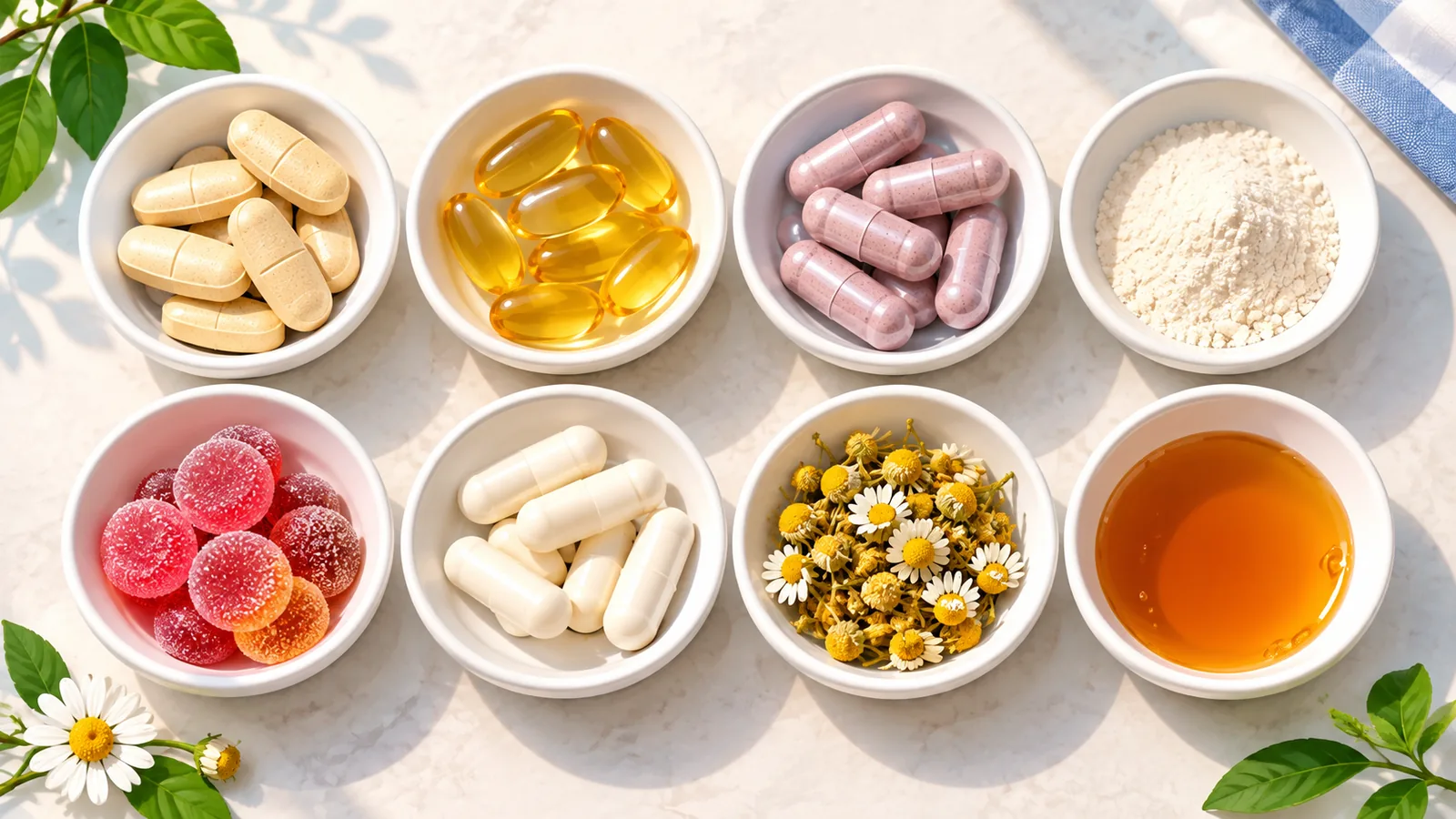
- Form: capsule, gummy, powder, or tea, and how each affects dose accuracy and convenience.
- Third-party testing: whether USP, NSF, or ConsumerLab programs exist to verify products in that category.
- Ingredient transparency: clear amounts per serving and no hidden proprietary blends.
- Cautions: known interactions, allergies, and groups who should avoid it.
Evidence quality varies a lot. The “best for” labels below are editorial groupings to help you browse, not clinical claims. In the US, dietary supplements are not approved by the FDA to treat disease, and the FDA does not review them for safety or effectiveness before they are sold.
Quick Comparison Table of Top Picks
Use this table for a fast overview, then read the sections below for details. Dose ranges are those used in studies, not recommendations.
| Supplement | Best for (editorial) | Typical studied dose | Evidence level | Main cautions |
|---|---|---|---|---|
| Ashwagandha | Everyday stress | 250 to 600 mg/day extract | Limited to moderate | Pregnancy, thyroid, liver, sedatives |
| L-theanine | Calm focus | 100 to 400 mg/day | Promising but limited | Can add to sedatives or blood pressure drugs |
| Magnesium (glycinate or citrate) | Sleep-related stress | Supplement upper limit 350 mg/day | Mixed | Kidney disease, some antibiotics |
| Lemon balm | Sleep-related stress | 300 to 600 mg/day extract | Early | Drowsiness, thyroid medication |
| Omega-3 | General wellness | Varies widely by product | Mixed, small effects | Blood thinners, fish allergy |
| Chamomile | Gentle daily option | Varies by tea or extract | Early | Ragweed allergy |
| Rhodiola | Fatigue under pressure | 200 to 600 mg/day extract | Mixed | May feel activating |
| B-complex | Low dietary intake | Follow label; B6 upper limit 100 mg/day | Mixed | High B6 and nerve damage |
Best for Everyday Stress: Ashwagandha
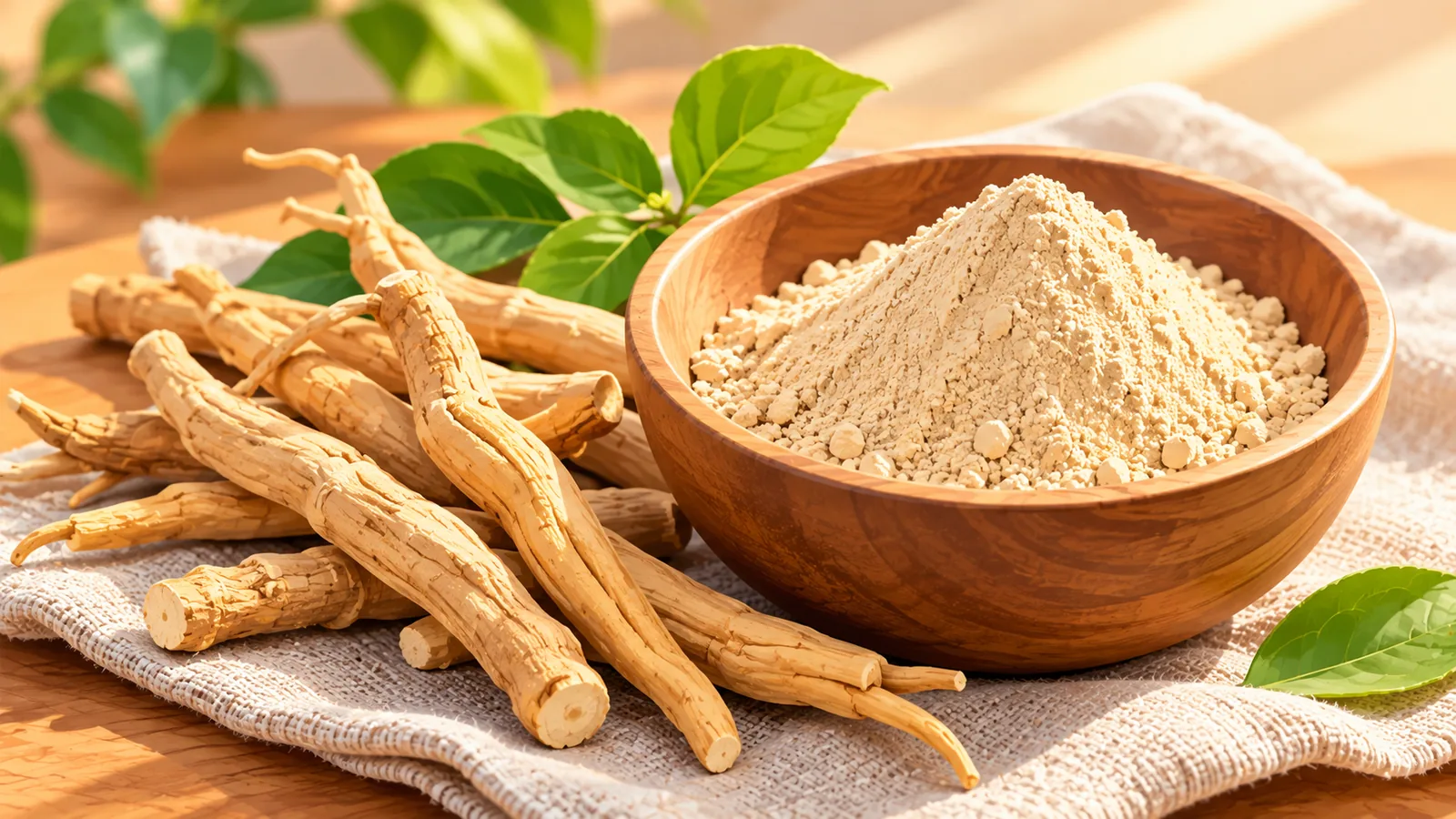
Ashwagandha is a root used in traditional Indian medicine. Several small studies, in which people were randomly assigned to take it or a placebo, report lower self-rated stress over about 6 to 8 weeks. The studies are short and the products differ, so the evidence is best described as limited to moderate.
- Studied range: about 250 to 600 mg per day of root extract, typically for 6 to 8 weeks. This is a range from studies, not a recommendation.
- Who it may suit: generally healthy adults looking for a daily routine supplement.
- Check with a clinician first: pregnancy, thyroid conditions, liver problems, or use of sedatives. Rare cases of liver injury have been reported.
- On the label: the plant part (root), extract type, and exact mg per serving, plus a third-party seal when available.
Best for Calm Focus: L-Theanine
L-theanine is an amino acid found in tea. Small studies suggest modest effects on feelings of calm and attention, so the evidence is promising but limited. It is often tested alone or paired with caffeine.
- Studied range: about 100 to 400 mg per day, often 200 mg alone or paired with about 100 mg caffeine. Again, this is a studied range, not a recommendation.
- Use cases: work deadlines, exam periods, or long focus sessions.
- Tolerability: generally well tolerated in short studies. People on sedatives or blood pressure medication should ask a clinician first.
- On the label: pure L-theanine (sometimes branded) with the mg per capsule clearly stated.

Best for Sleep-Related Stress: Magnesium and Lemon Balm
Magnesium evidence for stress is mixed and strongest for people whose intake is low. Lemon balm has early evidence from small trials of varying quality.
- Magnesium forms: glycinate is often reported as gentler on the stomach, citrate can loosen stools, and oxide is poorly absorbed and also commonly causes loose stools.
- Magnesium limit: the upper intake level for supplemental magnesium in adults is 350 mg per day.
- Magnesium cautions: kidney disease, and interactions with some antibiotics and bisphosphonates.
- Lemon balm: extract has been studied at about 300 to 600 mg per day. Tea is milder and easier to dose by habit, while extract offers a more consistent amount.
- Drowsiness warning: lemon balm may cause sleepiness, so avoid driving until you know how it affects you.

Best Gentle Daily Options: Chamomile, Omega-3, and B-Complex
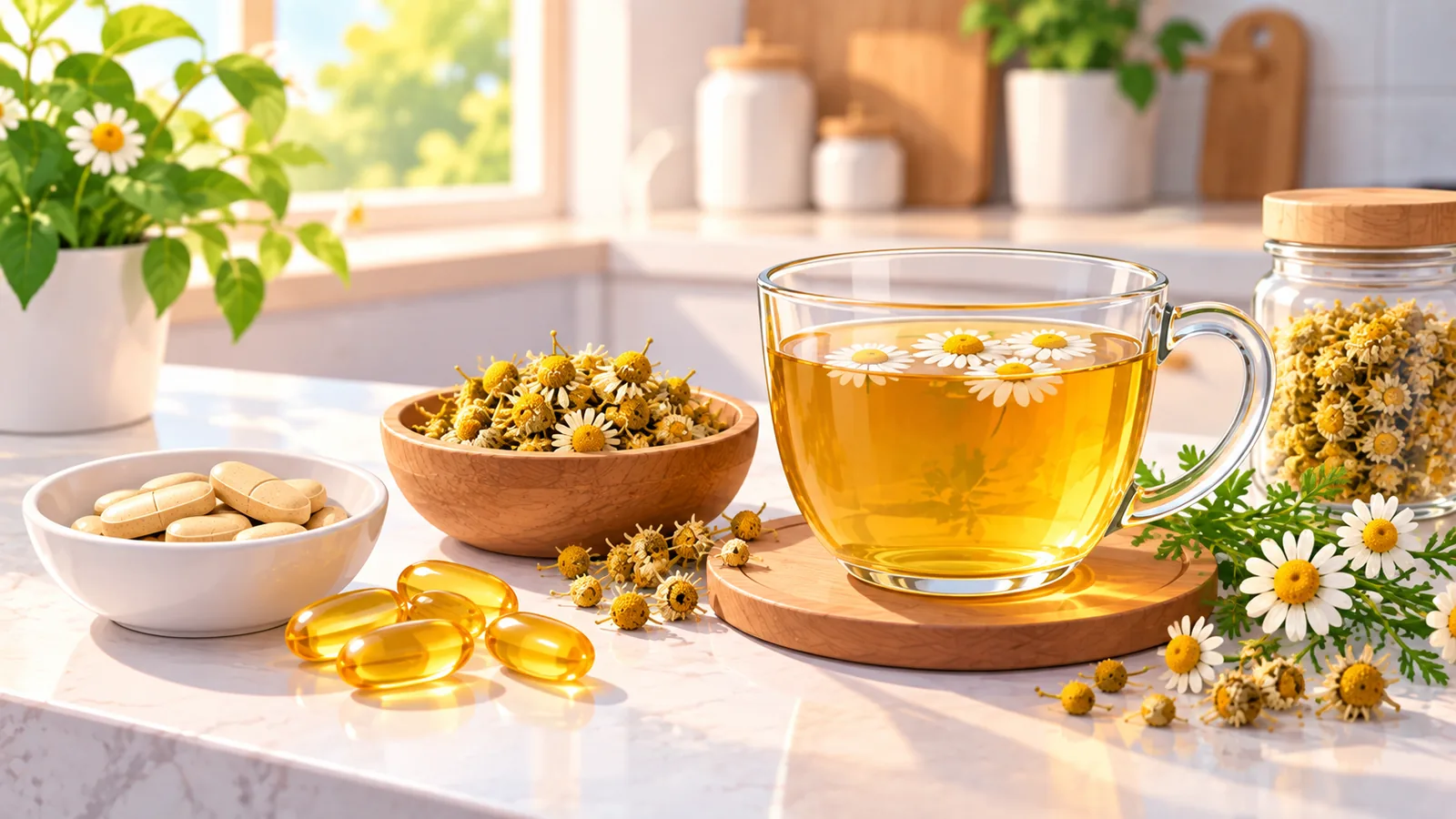
- Chamomile: early evidence for relaxation and sleep. It suits people who like a tea ritual. People allergic to ragweed and related plants may react. Case reports suggest a possible interaction with warfarin, so treat it as a precaution.
- Omega-3: some analyses show small effects on anxiety symptoms. Think of it as general wellness support, not a stress fix. High doses may raise bleeding risk with blood thinners, so ask a clinician.
- B-complex: evidence is mixed and most relevant if your diet is low in B vitamins. The upper intake level for vitamin B6 is 100 mg per day, and long-term high intake is linked to nerve damage.
Rhodiola and Other Options to Approach Carefully
Rhodiola has mixed results in small trials, with studied extract doses of about 200 to 600 mg per day. It may feel activating for some people, so many take it earlier in the day.
Kava and St. John’s wort are not recommended here. The FDA has issued a consumer advisory about rare but serious liver injury linked to kava. St. John’s wort interacts with many drugs, including antidepressants (with a risk of serotonin syndrome), hormonal birth control, and blood thinners. Do not start either without clinician guidance.
Supplement Buying Checklist
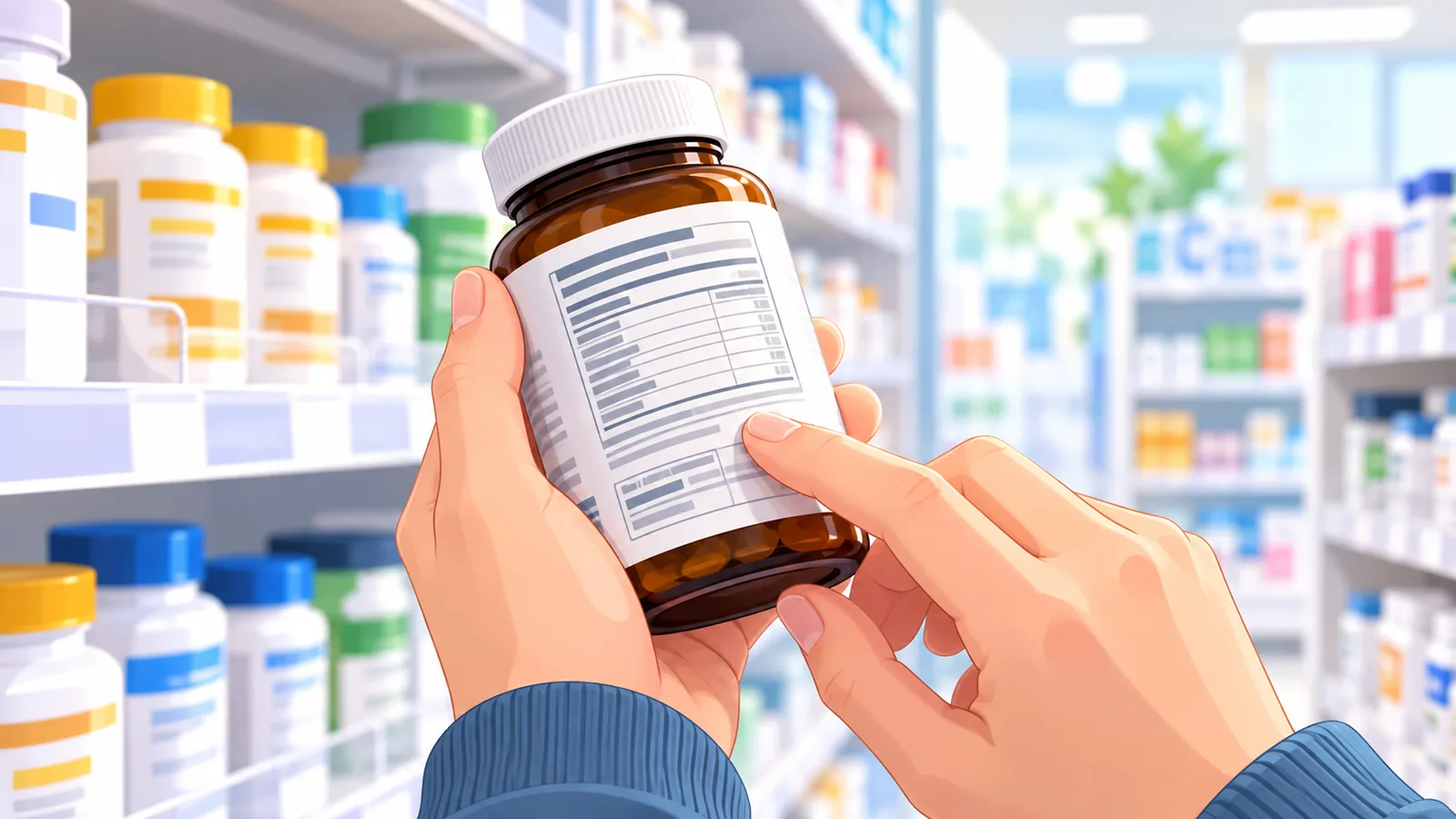
- A third-party seal (USP, NSF, or ConsumerLab) that verifies contents and purity.
- A clear dose per serving with no proprietary blends hiding amounts.
- A named plant part and a standardized extract where relevant.
- A complete allergen list and a visible expiration date.
- A reputable seller with a clear return policy.
- No claims to cure, treat, or prevent any condition, and no guaranteed results.
- For gummies, check actual dose per gummy and added sugar.
Ready to compare products against this checklist?
Safety, Interactions, and When to See a Doctor
Check with a clinician or pharmacist first if you:
🛒 Recommended Product

- are pregnant or nursing
- take SSRIs or other antidepressants, sedatives, blood thinners, thyroid medication, or blood pressure medication
- are managing a chronic condition, especially kidney or liver disease
Stress may need professional support if you notice:
- persistent low mood
- panic attacks
- sleep loss lasting weeks
- thoughts of self-harm
If you are in the US and are in crisis or having thoughts of self-harm, call or text 988 to reach the 988 Suicide & Crisis Lifeline.

Lifestyle Habits That Boost Any Supplement
- Sleep routine: keep a regular bedtime and wake time.
- Daily movement: even a brisk 20 to 30 minute walk helps many people.
- Caffeine limits: cut back later in the day if you feel wired or sleep poorly.
- Breathing and mindfulness: a few minutes a day of slow breathing or meditation.
- Realistic expectations: most studies ran about 4 to 8 weeks, so that is a rough window to judge a single change. It is not a medical guideline, so check in with a clinician about what fits you.
Frequently Asked Questions
Which supplement works fastest?
Effects vary, and no supplement is reliably fast. L-theanine has the most small studies on short-term effects, but results are modest.

Can I combine several supplements?
Combining raises the chance of interactions and overlapping effects, such as extra drowsiness. Add one at a time and talk with a clinician or pharmacist first.
Are gummies as good as capsules?
It depends on the product. Compare the actual dose per serving, the added sugar, and whether the product carries a third-party testing seal.

How long before I notice a difference?
Many studies ran about 4 to 8 weeks, and some people notice nothing at all. If you feel worse or have side effects, stop and check with a clinician.
Are supplements safe long term?
Long-term safety is not well established, because most trials last 12 weeks or less. Review ongoing use with a clinician.
- NIH Office of Dietary Supplements, Magnesium, Vitamin B6, and Omega-3 Fatty Acids fact sheets (ods.od.nih.gov)
- National Center for Complementary and Integrative Health (NCCIH), pages on ashwagandha, chamomile, kava, and St. John’s wort (nccih.nih.gov)
- NIH LiverTox, Ashwagandha entry (livertox.nih.gov)
- U.S. Food and Drug Administration, dietary supplement guidance and kava consumer advisory (fda.gov)
- 988 Suicide & Crisis Lifeline (988lifeline.org)
- USP, NSF, and ConsumerLab program descriptions for third-party supplement testing
This guide is for general information only and is not medical advice. Verify current guidance on the sources above before making decisions.
Want more comparisons and buying guides?
Citing this article
Source: Atovia (Atovia). https://atovia.kr