⚠️ This page connects you to Atovia’s partners and affiliate markets. We may receive a commission from affiliate partners for activities made through these links. Discount offers may change at any time according to policy! Rest assured, there are no additional costs to you! We hope this saves you time in finding the right items!
You and a coworker have the same Enneagram type, but you handle things pretty differently. Or your test result says “9w1,” and you wonder whether that means you have two personality types. Wings are one way the Enneagram framework explains differences within a type.
The basic idea is that a wing adds characteristics associated with a neighboring type. It does not replace your core type. Here is how to read the notation, check the possible combinations, and compare the descriptions with your own experience. Throughout, it helps to distinguish the theory’s explanations from scientifically established findings.
What Are Enneagram Wings?
An Enneagram wing is a theoretical concept describing how characteristics of a neighboring type may accompany your core type.
The Enneagram organizes personality into nine types. Within this framework, your core type describes your central tendencies, while a wing describes additional qualities. A wing is not a mechanism proven to change your personality.
For example, “9w1” means Type 9 with a One wing. The lowercase “w” stands for “wing.” The order matters: “1w9” means Type 1 with a Nine wing, so it describes a different core type.
This explanation follows the Enneagram Institute’s definition of wings. The notation is not a formula for dividing your personality into percentages or combining two types equally.
Which Wings Can Each Enneagram Type Have?
In the Enneagram framework, your possible wings are the two types directly beside your core type on the circle.
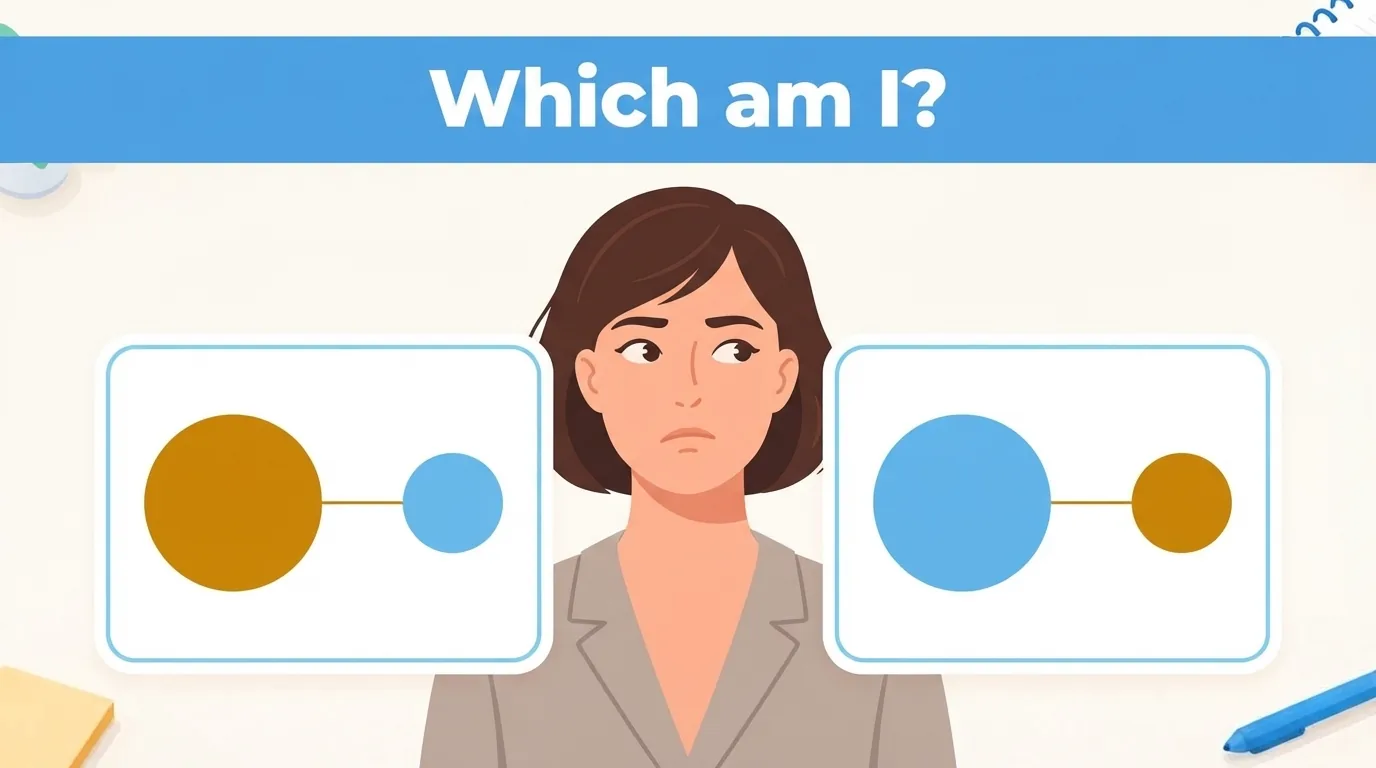
The circular layout matters. Type 1 sits between Types 9 and 2, while Type 9 sits between Types 8 and 1. The chart below follows the neighboring-type rule described by the Narrative Enneagram.
| Core Type | One Possible Wing | Other Possible Wing |
|---|---|---|
| Type 1 | 1w9 | 1w2 |
| Type 2 | 2w1 | 2w3 |
| Type 3 | 3w2 | 3w4 |
| Type 4 | 4w3 | 4w5 |
| Type 5 | 5w4 | 5w6 |
| Type 6 | 6w5 | 6w7 |
| Type 7 | 7w6 | 7w8 |
| Type 8 | 8w7 | 8w9 |
| Type 9 | 9w8 | 9w1 |
Suppose Type 4 is your highest test score and Type 9 is your second highest. That does not make your result “4w9.” If you are exploring Type 4 as your core type, its possible wings are Types 3 and 5. Your Type 9 score can still be something to consider when reviewing other tendencies.
Test score rankings and wing positions are different things. Using your second-highest score as your wing can produce a combination that does not follow the framework’s rules.
The lines inside the circle also serve a different purpose. They belong to a separate concept about movement between types. To identify possible wings, look at the immediate neighbors around the outside of the circle.

- The first number is your core type; the second is your wing.
- Your possible wings are the two types directly beside your core type.
- Your second-highest test score is not automatically your wing.
- Use wing descriptions for self-observation, not as a diagnosis.
What Is the Difference Between 9w8 and 9w1?
Enneagram theory suggests that people with the same core type may express their tendencies differently depending on which wing is considered.
For Type 9, the comparison is between an Eight wing and a One wing. The Narrative Enneagram’s type comparisons describe Type 8 in terms of expressing a position directly and Type 1 in terms of internal standards and what seems right. Applying those descriptions to wings offers a way to consider additional qualities alongside Type 9.
The table below uses a hypothetical workplace example to make the distinction easier to picture. It is not a research finding or a checklist for classifying coworkers.
| What to Compare | Example Suggesting 9w8 | Example Suggesting 9w1 |
|---|---|---|
| Shared concern | Wants the team to work together peacefully. | Wants the team to work together peacefully. |
| Response to an overloaded workload | States directly how much work they can take on. | Suggests dividing the work according to agreed standards. |
| Question for reflection | Do I often respond by making my position clear? | Do I often respond by clarifying and following shared standards? |
Neither example implies greater maturity or better job performance. The same person might use both approaches in different situations. Their role, relationships, and experience also matter.
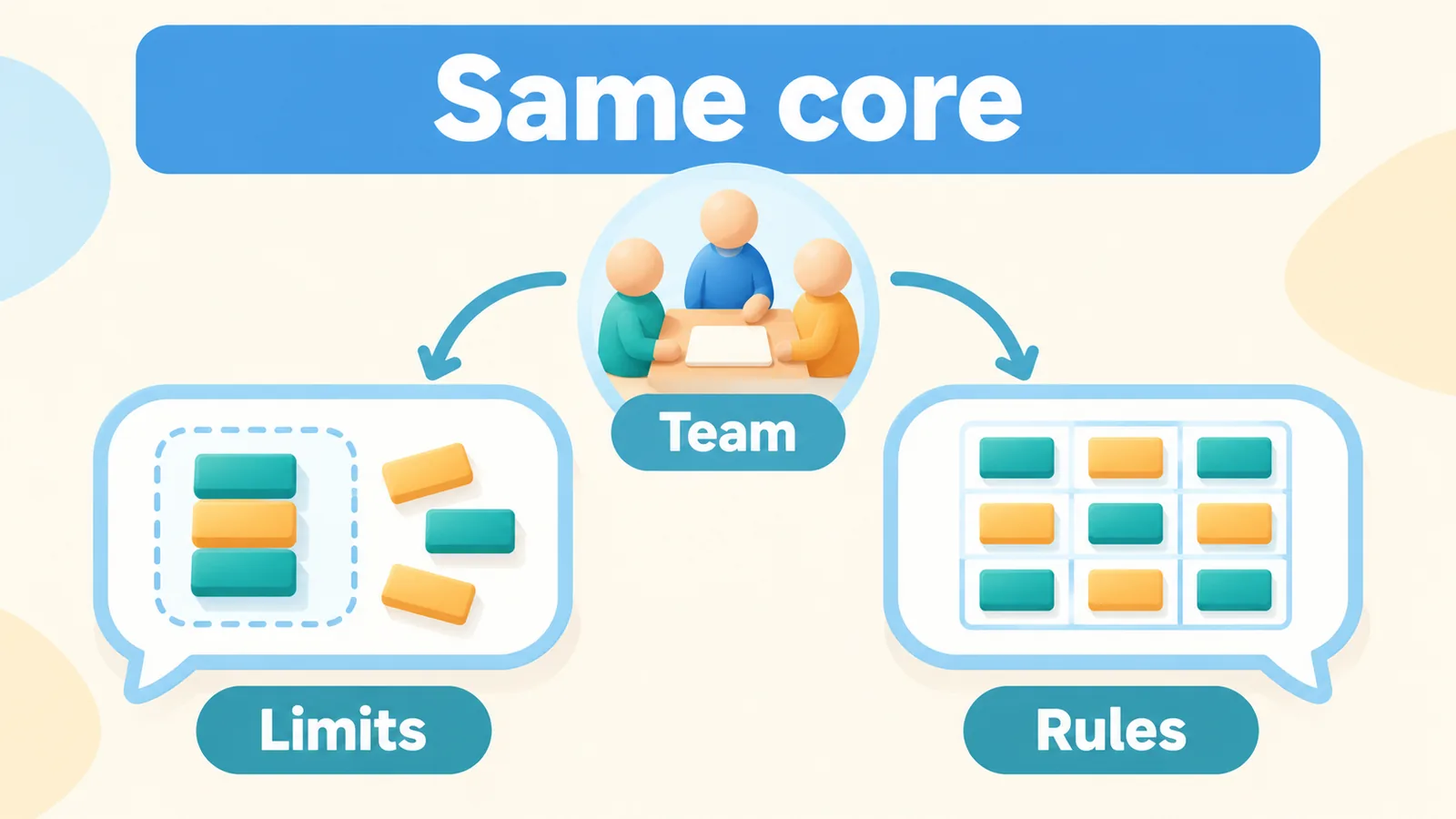
A single behavior cannot settle the question. Speaking firmly once does not establish an Eight wing. Consider why you spoke that way and how you respond in other situations. Wing descriptions also cannot account for every difference between people who identify with the same type.
How Do I Find My Enneagram Wing?
Start by reviewing your core type, then compare its two neighboring types with patterns in your actual experience.
The Enneagram Institute’s explanation also recommends identifying your core type before reading about adjacent types. This is not a scientifically established procedure for determining a wing. The suggestions below are ways to observe yourself without rushing to a conclusion.
Start With Your Core Enneagram Type
Adding a wing can make a description feel more specific. But if the core type itself does not fit, revisit that interpretation instead of asking the wing to explain every mismatch.
Go beyond a statement like “I am careful with my work.” Were you trying to avoid mistakes, hoping for recognition, or checking closely because the assignment was unfamiliar? Write down the reason that seems relevant. No single answer establishes a particular type.
Write Down Real Situations
Words like “calm” and “outgoing” cover a lot of ground. Choose a specific moment instead: what you said when a meeting became a disagreement, or how you answered when someone asked for a favor.
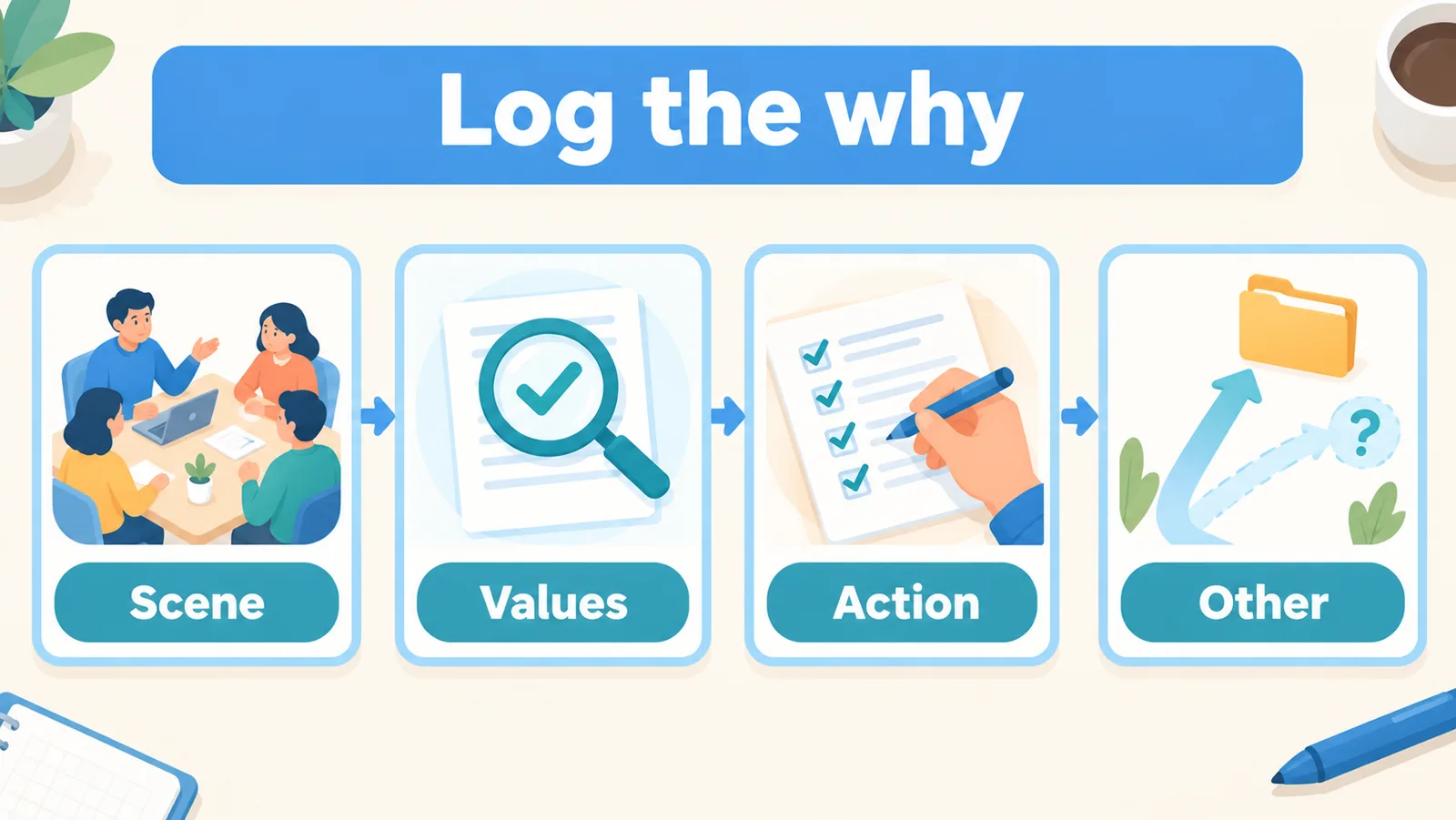
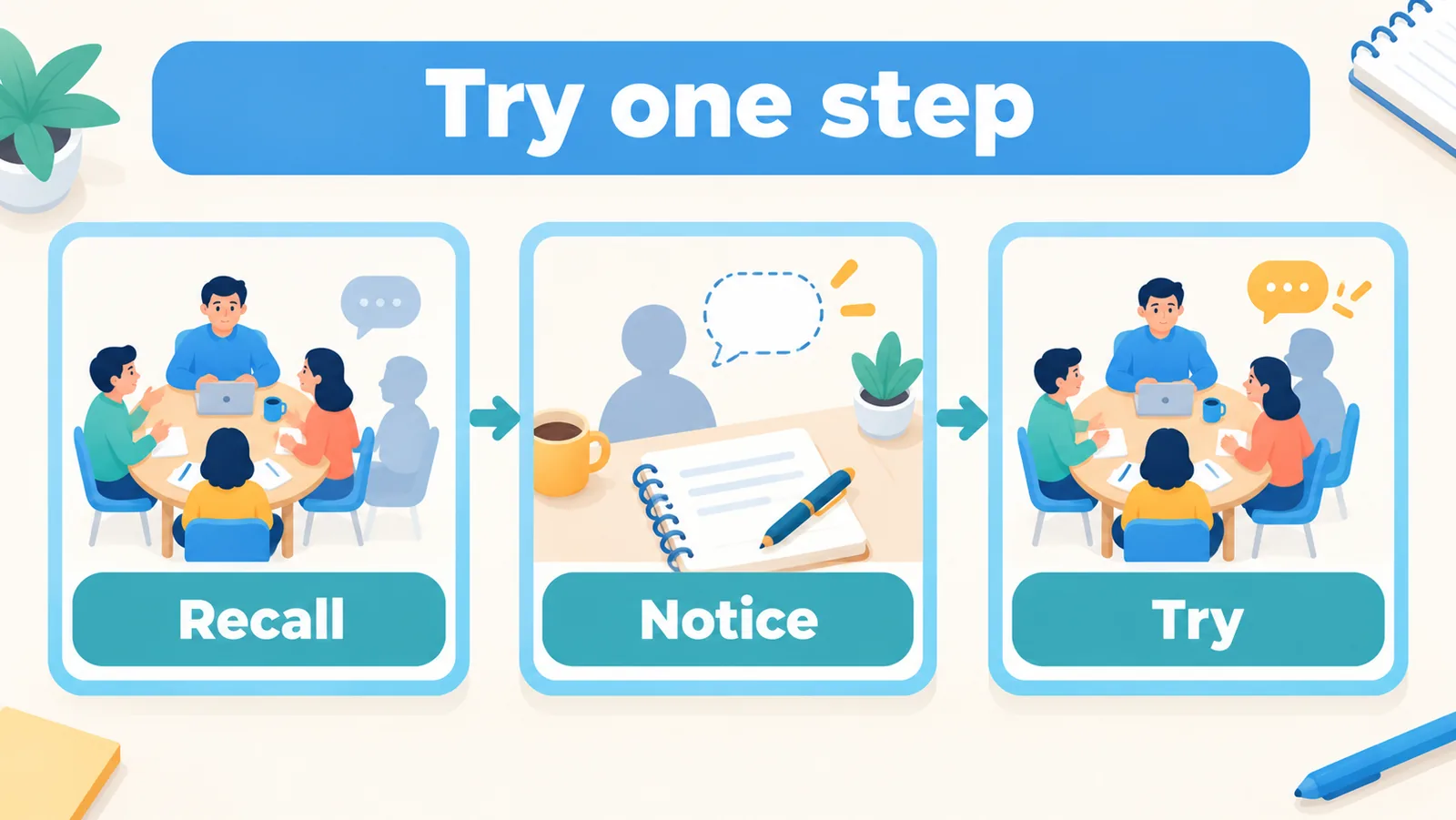
Try organizing a note into four parts: “Situation — What mattered to me — What I did — Other possible reasons.” For example, you might write that you reviewed a document for a long time because you wanted to feel certain. Then add that being new to the assignment could also explain the extra checking.
Notice When the Description Does Not Fit
Once you like a wing description, it can be tempting to collect only memories that support it. Keep examples that do not fit, too. They give you more to work with than a collection of confirming moments.
If you ask someone for feedback, try a question about behavior: “How do I usually express myself when we disagree?” Their answer reflects the situations they have seen, so treat it as one perspective.
You can also leave your conclusion at “still comparing.” Specific notes about your reactions already give you useful material for reflection, even without a final label.
Can You Have Two Enneagram Wings or Change Wings?
Some Enneagram explanations consider both wings, but views differ on whether one must be dominant and whether that dominance changes over time.
The Enneagram Institute’s discussion of wings describes cases in which one wing stands out, both appear relevant, or neither is obvious. If both descriptions feel familiar, you do not have to force a choice.
Does a Different Test Result Mean My Wing Changed?
A different result alone does not establish that your wing changed. First consider whether you took the same test, answered the same questions, and had similar situations in mind. Different answers and a changed personality structure are separate claims.
Likewise, do not treat claims about developing the opposite wing at a certain age, or improving mental health by balancing both wings, as established rules.
Are Enneagram Wings Scientifically Proven?
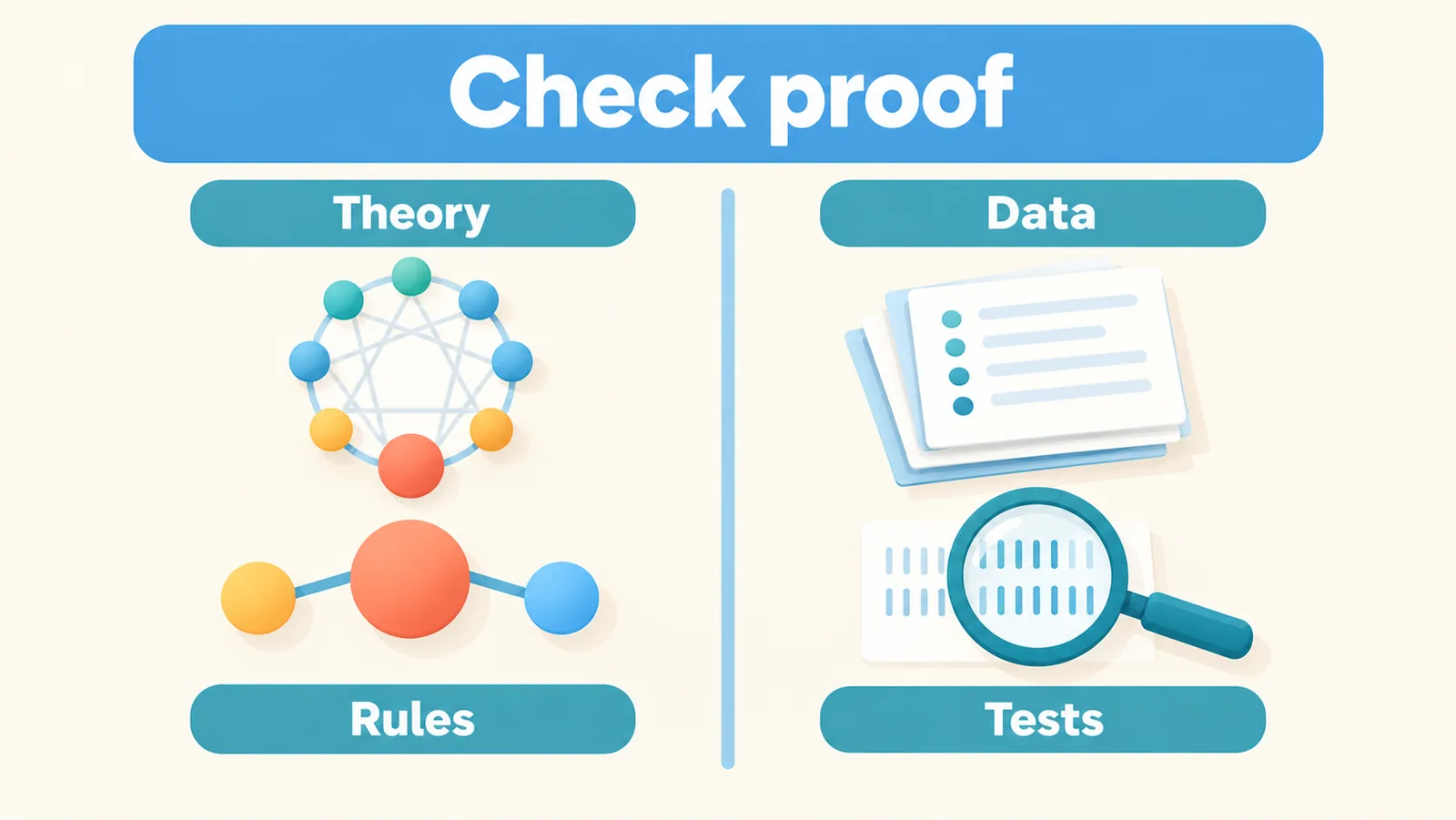
A 2021 systematic review of Enneagram research reported mixed findings on reliability and validity, with little research supporting wings and movement between types. The paper is indexed in PubMed, a literature search service from the U.S. National Library of Medicine. Those findings are the authors’ conclusions; inclusion in PubMed is not an institutional endorsement.
Reliability concerns how consistently something is measured. Validity concerns whether a measure captures what it claims to measure. Recognizing yourself in a description is a different matter from establishing that it represents a verified personality structure.
Given these limits, wings are best used as a vocabulary for reflecting on your experience. A wing label alone is not a sound basis for judging someone’s work ability, predicting a relationship’s future, or assessing mental health.
How Can I Use My Enneagram Wing in Everyday Life?
After exploring wing descriptions, choose one small behavior you would like to try in everyday life.
If you noticed that you accept work requests immediately, check your schedule before answering the next one. If you remembered a meeting where you kept your opinion to yourself, write down a thought beforehand and practice sharing it briefly. You can make either change without settling on a wing.
Atovia’s approach is to connect real situations with next steps. Use descriptions that help you reflect, and allow yourself to leave aside the parts that do not fit.
If emotional difficulties persist or affect your sleep and daily life, seek support beyond personality interpretation. The National Institute of Mental Health’s guidance on caring for your mental health explains how a health care provider can help you find appropriate support. A health care professional or local mental health service can be a starting point.
This article provides information about personality theory and general mental health. It does not replace medical diagnosis, treatment, or prescribed care. Consult a qualified health care professional about health concerns.
Looking for more ways to reflect on your thoughts and everyday habits?
These sources serve different purposes: the educational resources explain the personality framework, the research review evaluates evidence, and the mental health guidance addresses seeking support. No publication year has been assumed for undated educational materials.
- Hook and colleagues. “The Enneagram: A Systematic Review of the Literature and Directions for Future Research.” 2021. A paper indexed in PubMed reporting mixed findings on reliability and validity and limited research supporting wings. Abstract and publication details
- The Enneagram Institute. “How the Enneagram System Works.” No publication year specified. Explains wings, their relationship to core types, and differing views about using both wings. This is an explanation of the theory, not evidence of clinical effectiveness. Enneagram framework and wing definitions
- The Narrative Enneagram. “Type Comparisons.” No publication year specified. Discusses neighboring types, inner connecting lines, and differences between types within the framework. Type comparisons
- National Institute of Mental Health, National Institutes of Health. “Caring for Your Mental Health.” Guidance on seeking professional help for mental health concerns. Mental health guidance
Choose one recent moment and write down what mattered to you and what you actually did. What everyday experience comes to mind before any wing label?
Citing this article
Source: Atovia (Atovia). https://atovia.kr