⚠️ This page connects you to Atovia’s partners and affiliate markets. We may receive a commission from affiliate partners for activities made through these links. Discount offers may change at any time according to policy! Rest assured, there are no additional costs to you! We hope this saves you time in finding the right items!
Maybe you just got a Lyme diagnosis. Or maybe you found a tick on your skin and started searching late at night. Either way, here is the short version: Lyme disease is treated with antibiotics, usually for 10 days to 4 weeks, and most people who get treated early recover fully.
- The Short Answer: How Is Lyme Disease Treated?
- Which Antibiotics Are Commonly Used?
- How Long Does Treatment Last?
- Treatment by Type of Illness
- When Are Intravenous Antibiotics Needed?
- Bitten by a Tick but Feeling Fine: Do You Need Antibiotics?
- What Recovery Looks Like
- If You Still Feel Unwell After Treatment
- Quick Checklist: What to Ask at Your Appointment
- Frequently Asked Questions
- Your Next Step Today
The Short Answer: How Is Lyme Disease Treated?
Lyme disease is treated with antibiotics. The CDC says most cases can be treated successfully with a course of 10 days to 4 weeks.
When treatment starts early and fits the infection, people usually recover quickly and completely. That is the main reason not to wait if you suspect Lyme.
This article is general information. It is not a prescription, and your clinician decides what is right for you.
Key takeaways
- Commonly used antibiotics: doxycycline, amoxicillin, and cefuroxime axetil (CDC).
- Typical length: 10 days to 4 weeks (CDC).
- Lyme arthritis: 28 days of oral antibiotics. Some neurologic cases: 14 to 21 days (IDSA/AAN/ACR 2020 guidelines).
- Symptoms after treatment: get them evaluated. Long-term antibiotics are not shown to help (MedlinePlus).
Which Antibiotics Are Commonly Used?
The CDC lists doxycycline, amoxicillin, and cefuroxime axetil as commonly used antibiotics for Lyme disease. Your clinician picks one based on your situation.
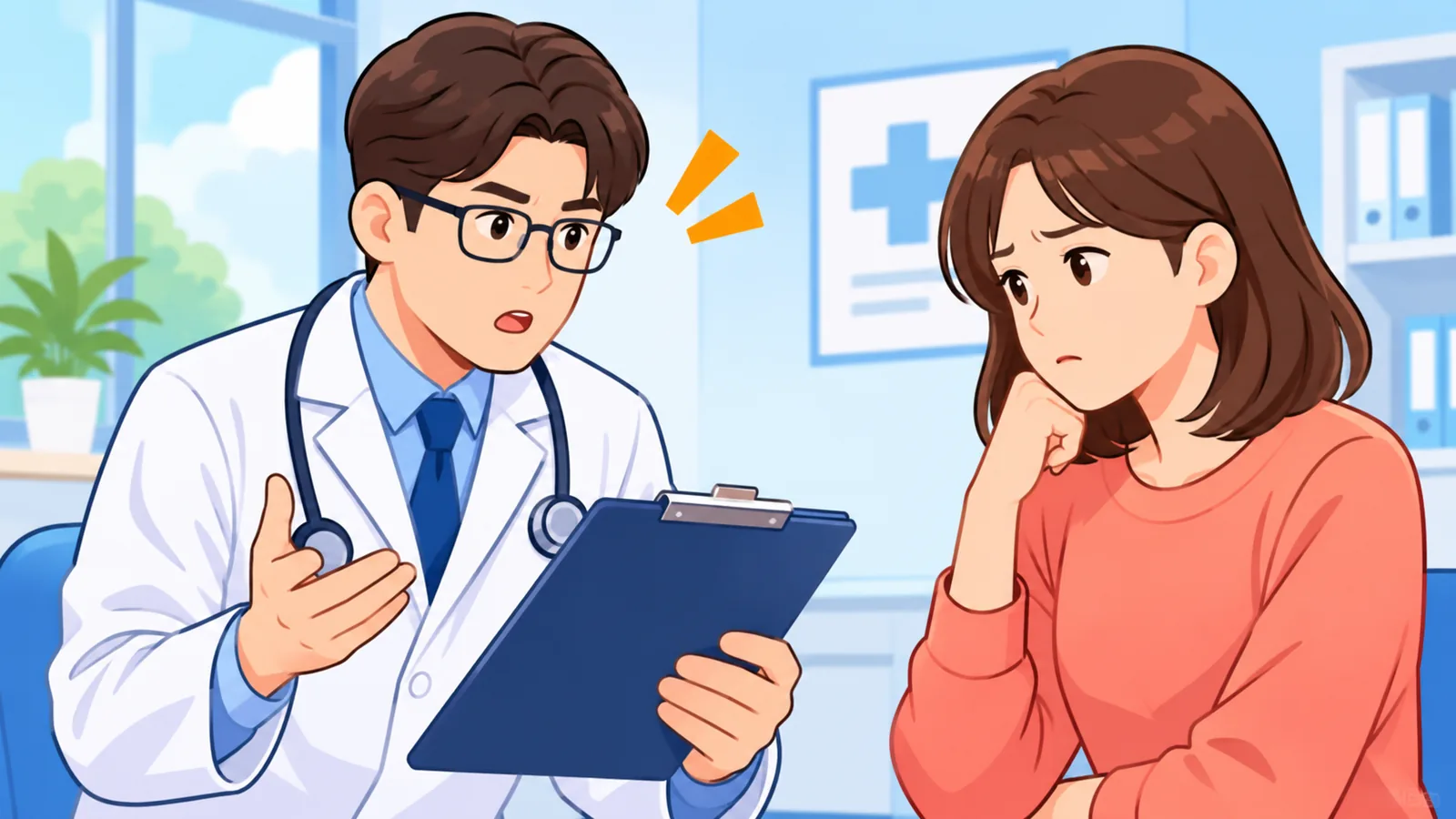
That choice depends on your symptoms, your age, any allergies, and whether you are pregnant. So two people with Lyme can leave the pharmacy with different prescriptions.
Why the antibiotic your friend took may not be the one you get
A friend’s prescription tells you little about yours. Age, allergies, pregnancy, and the type of symptoms all shape the plan.
If you have a drug allergy or you are pregnant, say so at the start of the visit. It directly affects which antibiotic is chosen.
How Long Does Treatment Last?
For most cases, treatment runs 10 days to 4 weeks, according to the CDC. The NHS describes courses of up to 28 days.
The exact length depends on the type of illness and on personal factors. A number you read online is a range, not your personal plan.
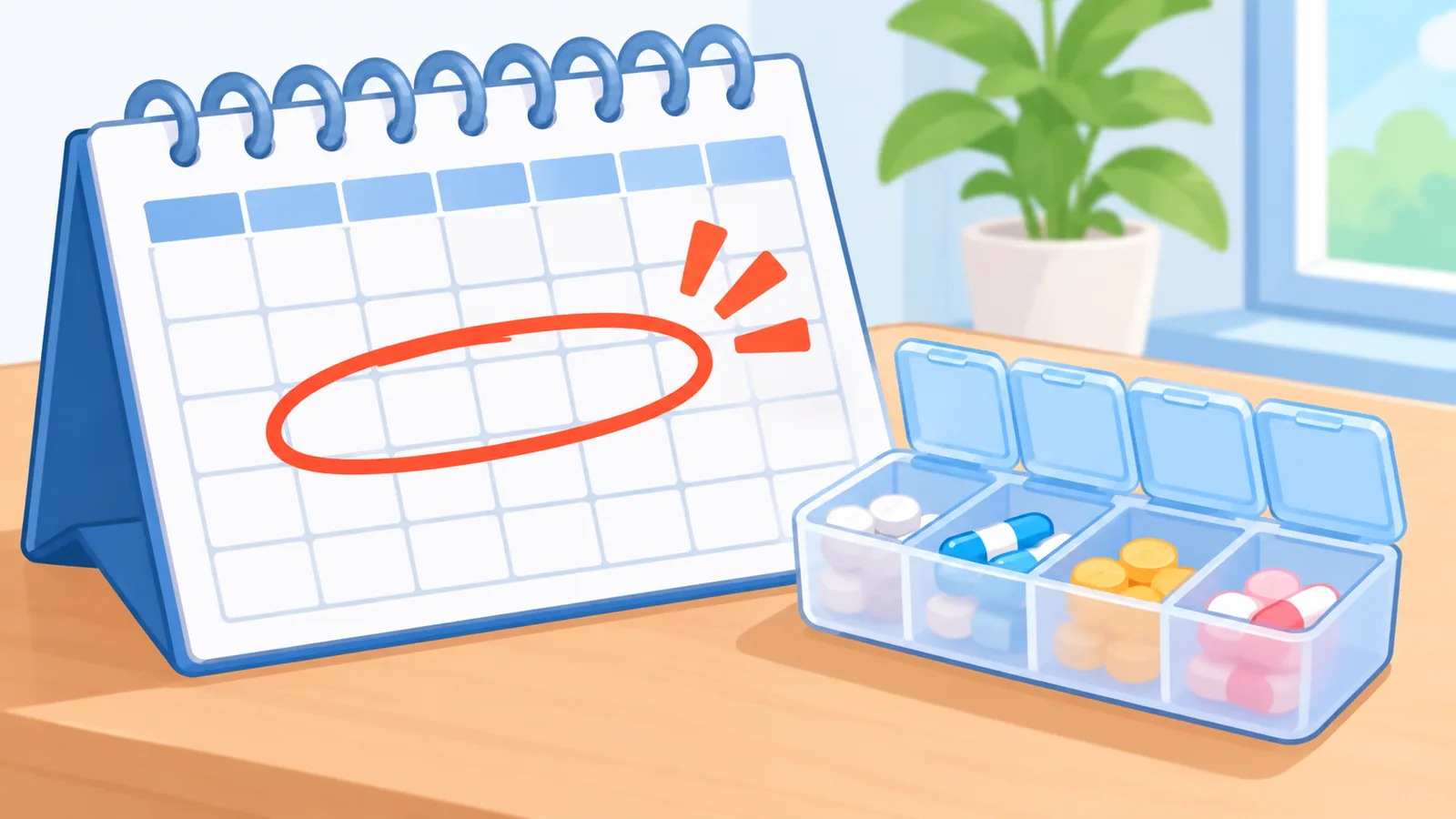
Here’s the catch: feeling better does not always mean the course is done. Do not stop early or start antibiotics on your own. Follow the end date your clinician gives you.
Treatment by Type of Illness
The approach and length change with how Lyme disease shows up. The table below pulls together what the sources state.
| Presentation | Typical approach | Typical length | Source |
|---|---|---|---|
| Most cases | Oral antibiotics | 10 days to 4 weeks | CDC |
| Lyme arthritis (initial treatment) | Oral antibiotics | 28 days | IDSA/AAN/ACR |
| Some neurologic symptoms | Oral or IV antibiotics | 14 to 21 days | IDSA/AAN/ACR |
| Severe symptoms | Specialist referral, possible IV antibiotics | Set by the specialist | NHS |
For neurologic symptoms, the guidelines leave the choice between oral and IV treatment to patient-specific factors.
When Are Intravenous Antibiotics Needed?
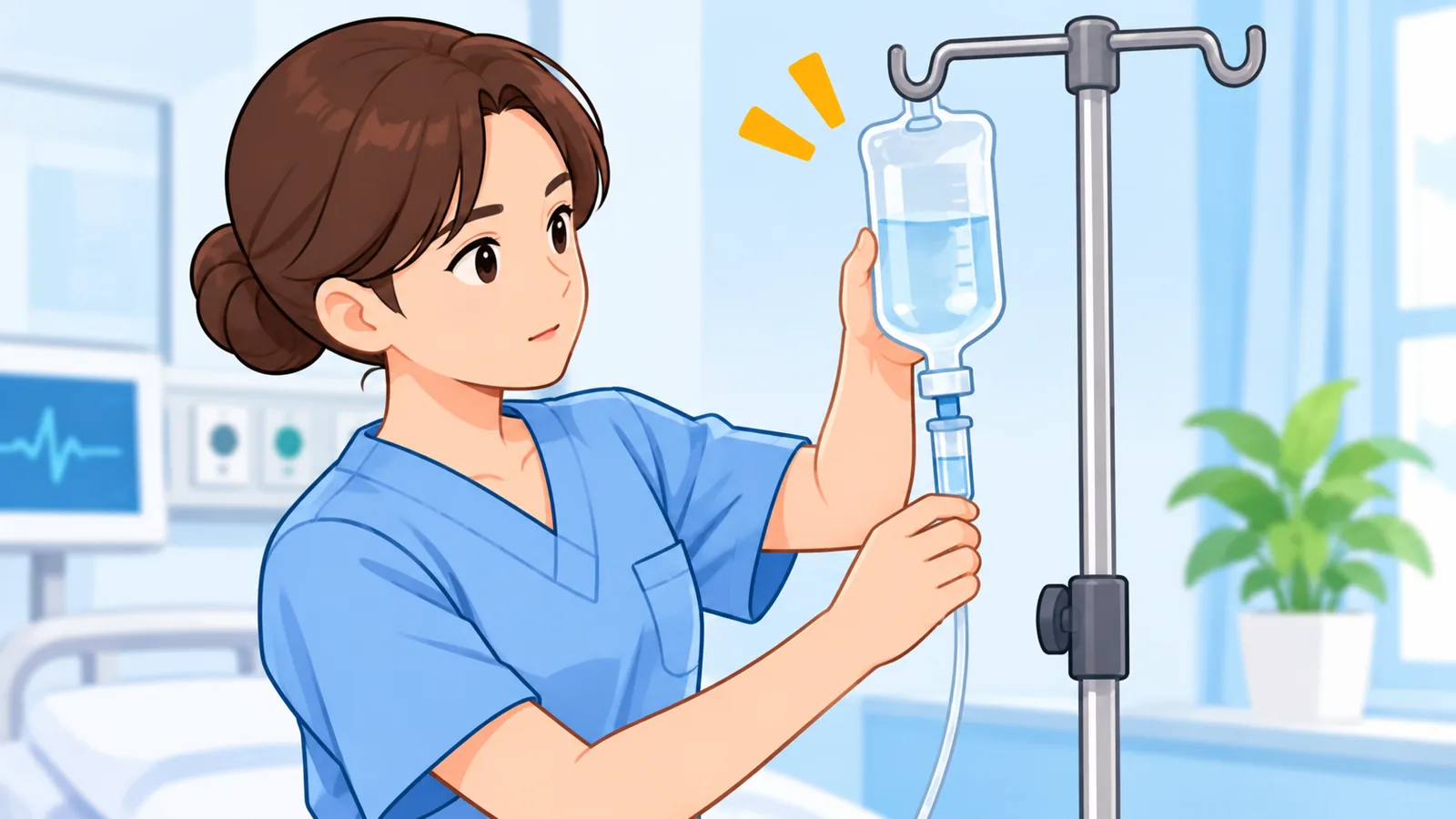
IV antibiotics may be used when symptoms are severe. The NHS says people with severe symptoms can be referred to a hospital specialist and receive antibiotics through a vein.
For some neurologic symptoms, the 2020 guidelines say either oral or IV antibiotics can be used for 14 to 21 days. Which one depends on the individual patient.
What counts as “severe” and who decides
That call belongs to your clinician, not to a symptom list you find online. If your symptoms are getting worse, contact a clinician promptly.
Bitten by a Tick but Feeling Fine: Do You Need Antibiotics?
Not in every case. A bite alone does not settle the question.
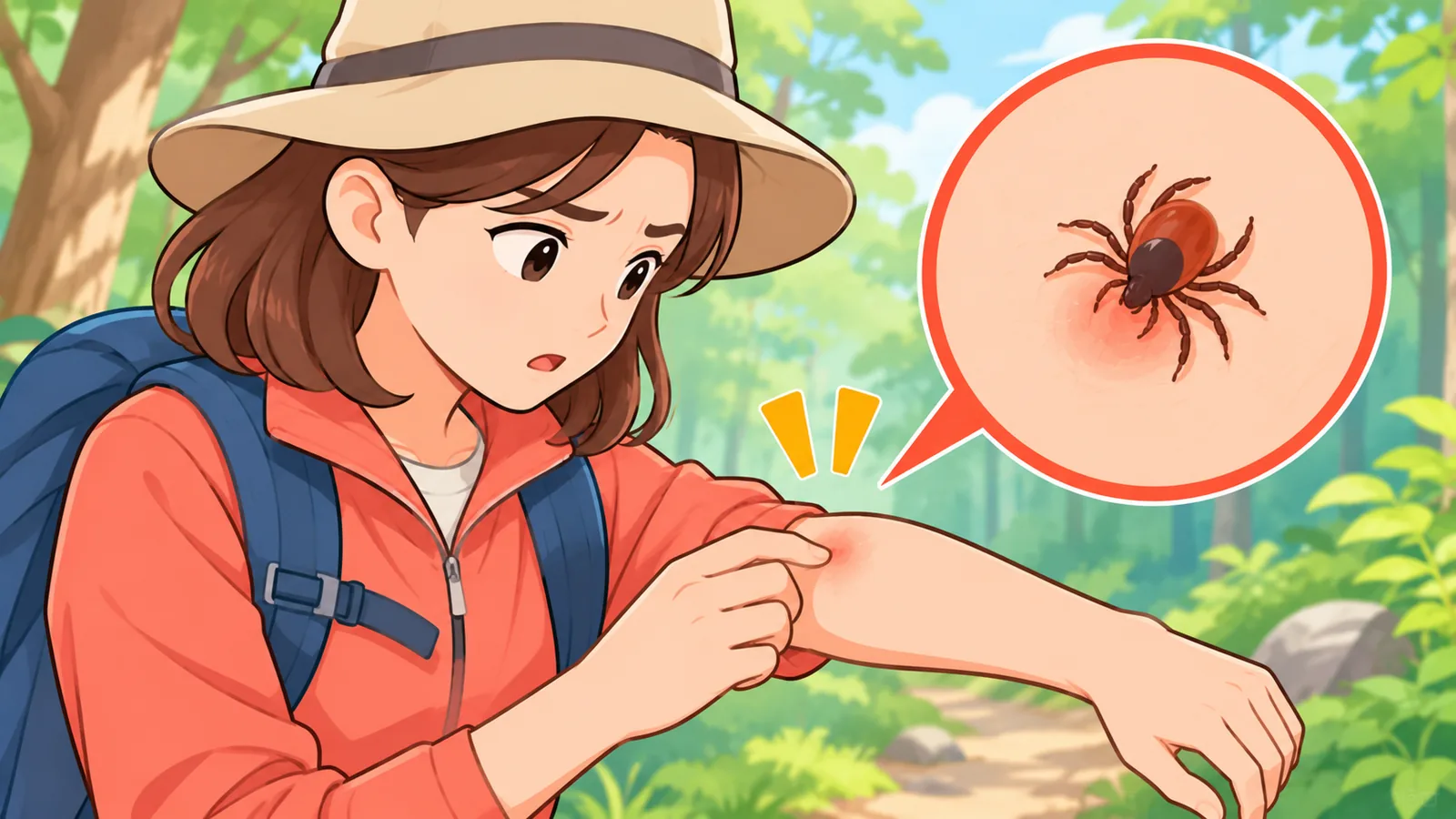
The CDC says that in certain situations a single dose of doxycycline can lower the risk of Lyme disease. Whether that applies to you is something to talk through with a clinician.
🛒 Recommended Product
So if you have a recent tick bite and no symptoms, a quick call to your doctor or clinic is a sensible move. Do not take leftover antibiotics on your own.
What Recovery Looks Like
With early, appropriate antibiotic treatment, most people recover quickly and completely. That is the CDC’s message to patients.
In practice, that means taking every dose as directed and finishing the course. If symptoms come back or new ones appear, contact your clinician rather than waiting.

If You Still Feel Unwell After Treatment
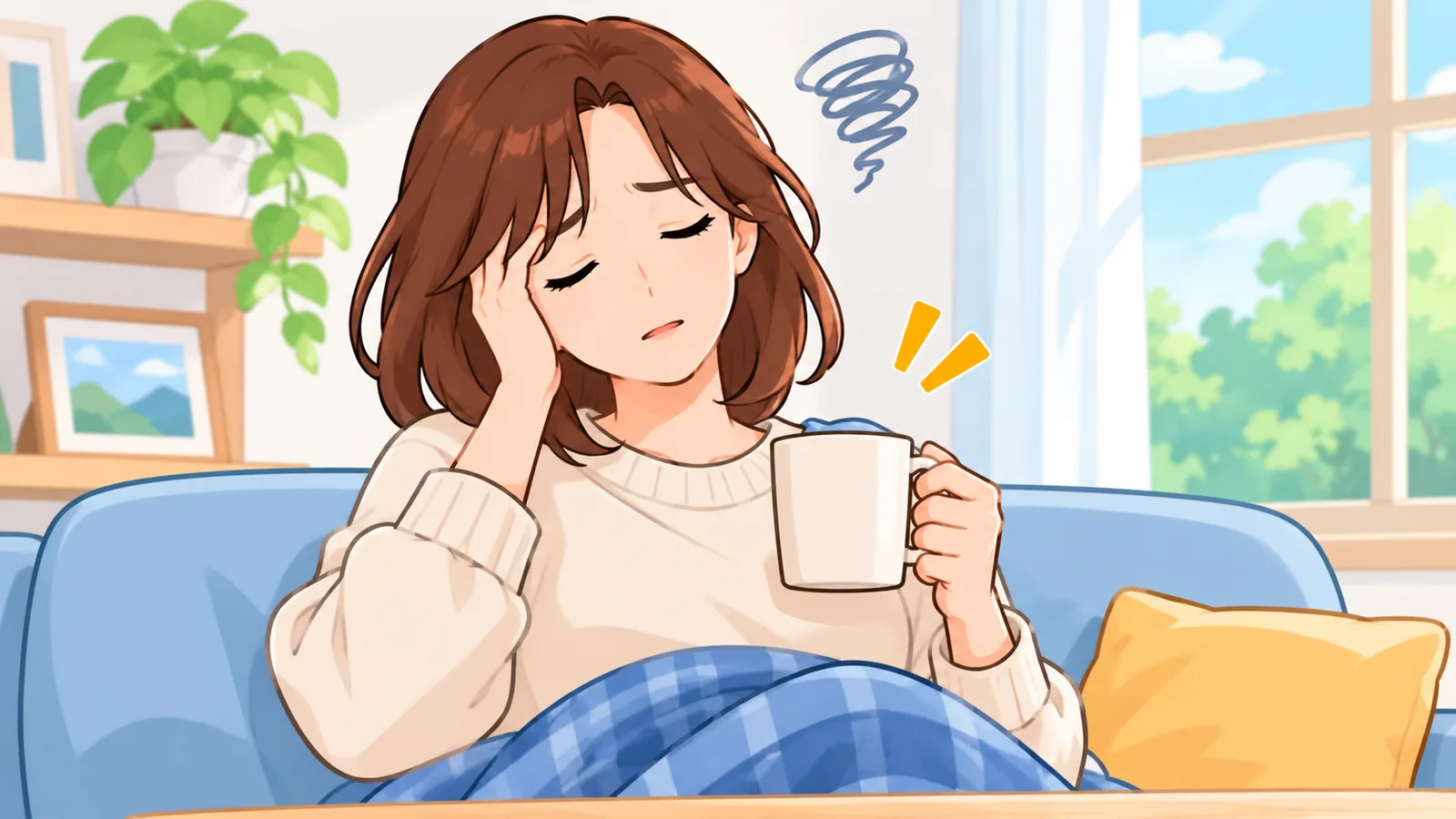
Some people still have fatigue, pain, or trouble thinking after treatment. The CDC says the cause is not yet known and more research is needed.
If that is you, you are not imagining it. It is a recognized issue that researchers are still studying.
What is post-treatment Lyme disease syndrome (PTLDS)?
MedlinePlus uses the term PTLDS for symptoms that last more than 6 months after treatment. It is a label for the pattern, not proof of an ongoing infection.
Do longer antibiotics help?
MedlinePlus says there is no evidence that long-term antibiotics help in this situation. Lingering symptoms alone should not be taken to mean the infection is still active.
When to see a clinician
If symptoms continue or return, ask for an evaluation. The NHS and MedlinePlus both point to having a clinician look for the cause, including other possible causes.
Quick Checklist: What to Ask at Your Appointment
A few questions can make the visit more useful. Write them down before you go.

- Which antibiotic am I getting, and why this one for me?
- How many days will I take it, and what is my end date?
- What should I do if I miss a dose?
- Which symptoms should make me call you back?
- Do I need to see a specialist?
Frequently Asked Questions
Is Lyme disease always treated with antibiotics?
Yes, antibiotics are the standard treatment. The CDC lists doxycycline, amoxicillin, and cefuroxime axetil as commonly used.
How long do I take them?
Most cases are treated for 10 days to 4 weeks. The NHS describes courses of up to 28 days. Your clinician sets the exact length.
Do I need IV antibiotics?
Only some people do. Severe symptoms may lead to a specialist referral and IV treatment, and some neurologic cases use either oral or IV antibiotics.
Should I take antibiotics after a tick bite with no symptoms?
Not automatically. A single dose of doxycycline may lower risk in certain situations, so talk with a clinician about your case.
Will I recover completely?
Most people do when treated early with the right antibiotic. Some have lingering fatigue, pain, or thinking problems, and the cause is not yet known.
Do longer antibiotic courses help lingering symptoms?
There is no evidence that they do, according to MedlinePlus. Get the symptoms evaluated instead.
Your Next Step Today
If you have symptoms or a recent tick bite, contact a clinician today and ask whether you need treatment. If you are already on antibiotics, finish the course and jot down any symptoms to bring up at follow-up.
Not sure where to start? Call your primary care office or a local clinic and describe your symptoms or the tick bite. They can tell you what to do next.
References
- CDC, Treatment and Intervention for Lyme Disease
- NHS, Lyme disease
- CDC, Clinical Care of Lyme Disease
- IDSA, AAN, ACR, 2020 Guidelines for the Prevention, Diagnosis and Treatment of Lyme Disease
- MedlinePlus, Lyme Disease
Disclaimer: This is general information only. It does not replace diagnosis or an individual treatment plan from a licensed clinician.
Try Atovia’s free tool for this topic →
Want more comparisons and buying guides?
Citing this article
Source: Atovia (Atovia). https://atovia.kr