⚠️ This page connects you to Atovia’s partners and affiliate markets. We may receive a commission from affiliate partners for activities made through these links. Discount offers may change at any time according to policy! Rest assured, there are no additional costs to you! We hope this saves you time in finding the right items!
- 1. What Is a Calorie Deficit and How Does It Work
- 2. How to Calculate Your Daily Calorie Needs
- 3. How to Create a Safe and Effective Calorie Deficit
- 4. Best Foods to Eat on a Calorie Deficit Diet
- 5. Common Mistakes to Avoid When Cutting Calories
- 6. Tips to Stay Consistent and Avoid Muscle Loss
- 7. Frequently Asked Questions About Calorie Deficit Dieting
- A calorie deficit means consuming fewer calories than your body burns each day
- A moderate deficit of 500 calories per day typically leads to about 1 pound of fat loss per week
- Combining a calorie deficit with adequate protein and strength training helps preserve muscle mass
- Extreme calorie restriction can slow metabolism and increase the risk of nutrient deficiencies
1. What Is a Calorie Deficit and How Does It Work
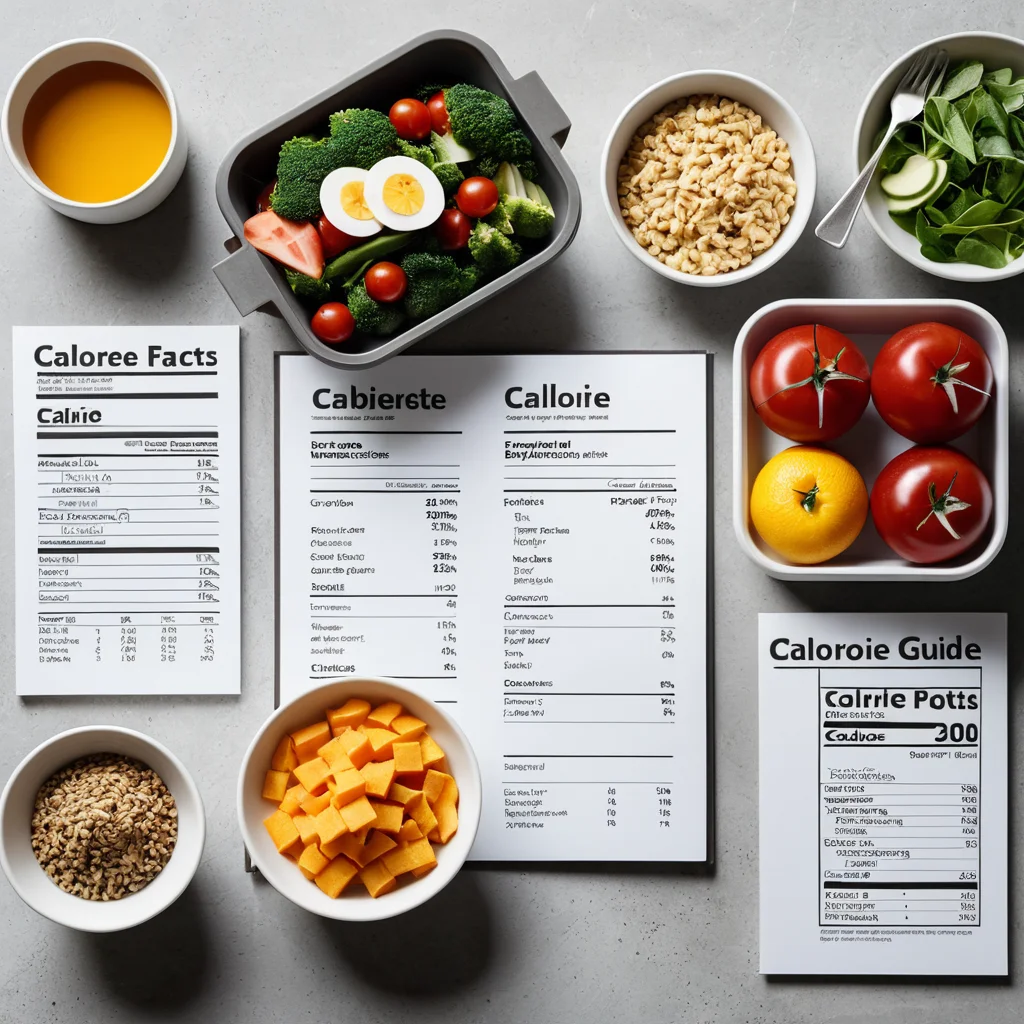
A calorie deficit occurs when you consume fewer calories than your body needs to maintain its current weight. When this happens consistently, your body begins to draw on stored energy, primarily fat, to make up the difference. Over time, this process results in gradual weight loss.
Your body burns calories through basic functions like breathing and digestion, as well as through movement and exercise. This total daily energy expenditure is influenced by factors such as age, sex, muscle mass, and activity level. Understanding this baseline is the first step toward creating an effective and sustainable calorie deficit.

2. How to Calculate Your Daily Calorie Needs
Before starting a calorie deficit diet, it helps to know your maintenance calories, the number of calories your body needs to stay at its current weight. This can be estimated using formulas that factor in your weight, height, age, sex, and activity level, or by using an online calculator designed for this purpose.
Once you know your maintenance calories, subtracting a moderate amount, typically 300 to 500 calories per day, creates a deficit that supports steady fat loss without being overly restrictive. Tracking your intake for a few weeks and adjusting based on real-world results often provides a more accurate picture than formulas alone.
| Deficit Approach | Moderate Deficit | Aggressive Deficit |
|---|---|---|
| Daily Calorie Reduction | 300–500 calories | 750–1000 calories |
| Weekly Weight Loss | 0.5–1 lb | 1.5–2 lb |
| Muscle Loss Risk | Low | Higher |
| Sustainability | High | Low |
3. How to Create a Safe and Effective Calorie Deficit
The safest way to build a calorie deficit is through a combination of mindful eating and regular physical activity, rather than severe food restriction alone. This approach helps preserve energy levels and makes the diet easier to maintain long term.
Prioritizing whole, nutrient-dense foods allows you to feel fuller on fewer calories, while spreading meals throughout the day can help manage hunger. Staying hydrated and getting adequate sleep also play a meaningful role in supporting a healthy deficit, since both affect hunger hormones and energy regulation.
🛒 Recommended Product
4. Best Foods to Eat on a Calorie Deficit Diet
Choosing the right foods makes a calorie deficit more manageable and sustainable. Lean proteins such as chicken breast, fish, eggs, and legumes help preserve muscle mass and keep you feeling satisfied for longer periods.
Fiber-rich vegetables, fruits, and whole grains add volume to meals without contributing excessive calories, which can help control hunger. Healthy fats in moderate amounts, along with plenty of water, round out a balanced approach that supports both weight loss and overall wellbeing.
5. Common Mistakes to Avoid When Cutting Calories
One of the most common mistakes is cutting calories too aggressively, which can lead to fatigue, irritability, and a higher chance of abandoning the diet altogether. A deficit that is too extreme often backfires by slowing metabolism over time.
Other frequent pitfalls include skipping meals, neglecting protein intake, and not accounting for beverages or snacks when tracking calories. Being inconsistent with tracking or setting unrealistic weight loss expectations can also undermine long-term progress.
6. Tips to Stay Consistent and Avoid Muscle Loss
Staying consistent with a calorie deficit is often more important than perfection. Setting realistic, gradual goals and allowing occasional flexibility in your diet can help you stick with the plan over months rather than weeks.
Incorporating strength training two to three times per week helps signal your body to preserve muscle even while in a deficit. Pairing this with sufficient protein intake, generally around 0.7 to 1 gram per pound of body weight, further supports muscle retention during fat loss.
7. Frequently Asked Questions About Calorie Deficit Dieting
How big should my calorie deficit be? A moderate deficit of 300 to 500 calories per day is generally considered safe and sustainable for most people.
Can I exercise while in a calorie deficit? Yes, moderate exercise, especially strength training, is encouraged to help preserve muscle mass and support overall health.
How long does it take to see results? Most people notice gradual changes within two to four weeks, though individual results vary based on starting point and consistency.