
⚠️ This page connects you to Atovia’s partners and affiliate markets. We may receive a commission from affiliate partners for activities made through these links. Discount offers may change at any time according to policy! Rest assured, there are no additional costs to you! We hope this saves you time in finding the right items!
Dealing with heel pain doesn’t mean giving up on fitness. With the right approach, you can stay active, protect your feet, and support your recovery at the same time.
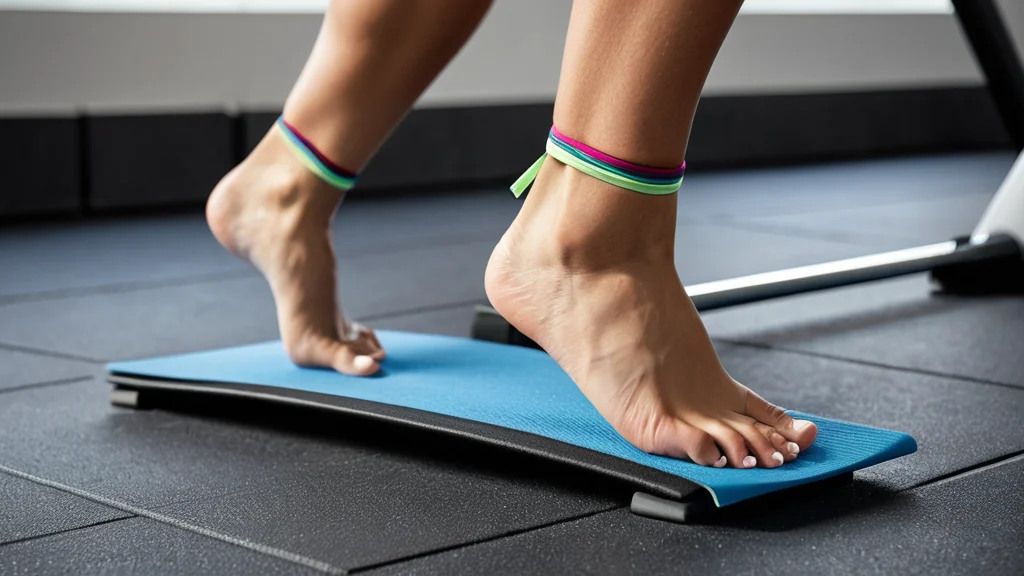
Understanding Plantar Fasciitis and Movement
Plantar fasciitis involves irritation of the thick band of tissue that runs along the bottom of your foot, connecting your heel to your toes. It often causes sharp pain with the first steps in the morning or after long periods of rest. Staying completely inactive isn’t the answer. Gentle, well-chosen movement can help maintain flexibility, support blood flow, and keep surrounding muscles strong while your foot recovers. The key is choosing activities that limit repetitive impact on the heel while still keeping you moving.

- Prioritize low-impact activities over high-impact ones
- Always warm up and stretch before exercising
- Wear supportive shoes with good arch support
- Progress gradually and listen to your body’s signals
Warm-Up and Stretching Routine
A proper warm-up prepares the plantar fascia and calf muscles for activity and may reduce strain during exercise. Try calf stretches against a wall, holding each side for 20-30 seconds. A seated plantar fascia stretch, where you gently pull your toes back toward your shin, can also help loosen tight tissue. Achilles tendon stretches, done slowly and without bouncing, round out a solid pre-exercise routine. Consistency matters more than intensity here.

🛒 Recommended Product
Best Low-Impact Exercises to Try
Low-impact activities let you build fitness and stamina without pounding the heel. Swimming and water aerobics take pressure off the feet entirely while still working the whole body. Stationary cycling and elliptical machines offer cardio benefits with minimal heel strain. Strength training for the calves and feet, such as toe curls or resistance band work, can also support long-term stability.
| Exercise Type | High-Impact | Low-Impact |
|---|---|---|
| Impact on Heel | High | Minimal |
| Examples | Running, jumping | Swimming, cycling |
| Suitability | Not recommended during flare-ups | Generally safer option |
Exercises and Movements to Avoid
Certain activities can aggravate plantar fasciitis symptoms. Running on hard surfaces, jumping exercises, and high-intensity interval training with lots of impact tend to place repeated stress on the heel. Standing for long periods without support, or exercising in worn-out shoes with little cushioning, can also slow recovery. If an activity causes sharp or increasing pain, it’s worth pausing and choosing a gentler alternative instead.

Building a Weekly Exercise Routine
A balanced weekly plan might include three to four sessions of low-impact cardio, paired with two short strength sessions focused on the calves and feet. Start with shorter durations, such as 15-20 minutes, and gradually increase as comfort allows. Rest days are just as important as active ones, giving tissue time to recover between sessions.
Ready to build a foot-friendly fitness routine that fits your life?
When to Rest or See a Professional
Some discomfort during recovery is common, but persistent, worsening, or sharp pain is a sign to scale back and seek guidance. Organizations like the ACSM and WHO emphasize gradual, individualized activity progression for musculoskeletal recovery, while the CDC and KDCA highlight the value of consulting a healthcare provider for persistent pain. If symptoms don’t improve after a few weeks of modified activity, it’s worth checking in with a professional for personalized guidance.
This article is for general informational purposes only and is not a substitute for professional medical advice. Please consult a qualified healthcare provider for diagnosis and treatment tailored to your condition.