⚠️ This page connects you to Atovia’s partners and affiliate markets. We may receive a commission from affiliate partners for activities made through these links. Discount offers may change at any time according to policy! Rest assured, there are no additional costs to you! We hope this saves you time in finding the right items!
- Layering foam earplugs with a white noise machine blocks the widest range of snoring frequencies.
- Bone-conduction headbands let you mask sound while still hearing alarms and emergencies.
- Check the noise reduction rating (NRR) and return policy before committing to any product.
1. Why Snoring Wrecks Your Sleep (And Why Waiting It Out Doesn’t Work)
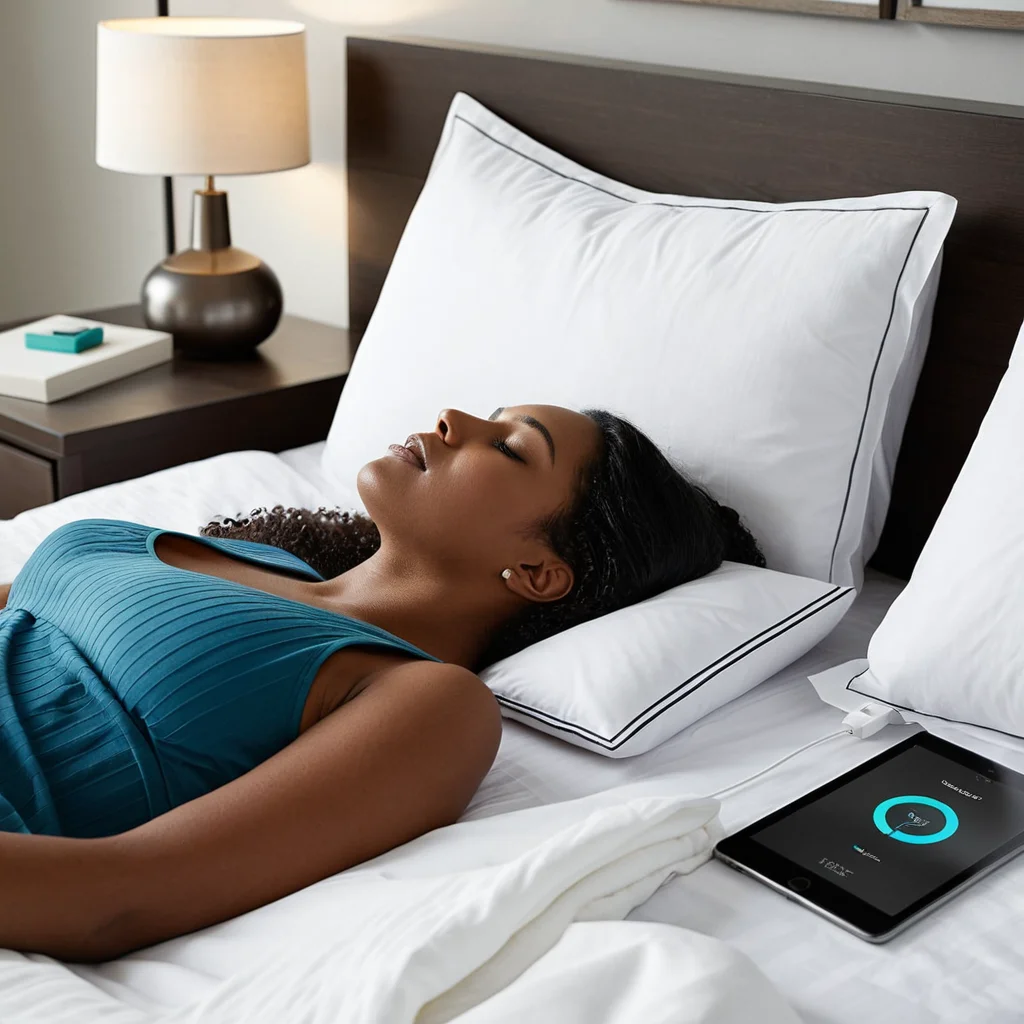
Snoring doesn’t just annoy you in the moment, it fragments your sleep cycles. Every rumble, pause, and snort can pull you out of deep sleep without you fully waking, which means you wake up tired even if you technically got eight hours in bed. Over a few weeks, this kind of noise-interrupted sleep adds up, showing up as shorter tempers, foggy focus at work, and quiet resentment building between you and your partner.
The good news is you don’t have to wait for the snorer to see a doctor or lose weight or change sleep positions. There are products you can buy tonight that let you take control of your own sleep environment, regardless of whether they ever address the root cause.
2. What to Look For Before You Buy
Not all snoring solutions work the same way, so it helps to know what to check before you spend money.
- Noise reduction rating (NRR): For earplugs, look for an NRR of at least 29-33 decibels if the snoring is loud or chronic.
- Sound masking type: White noise covers a broad frequency range, pink noise is deeper and often described as more soothing, and nature sounds work well if you find white noise too clinical.
- Sleep position comfort: Side sleepers need low-profile earbuds or thin headbands, while back sleepers have more flexibility with bulkier options.
- Safety features: Bone-conduction devices leave your ear canal open so you can still hear a smoke alarm or a crying child, while full ear-blocking earplugs offer more noise reduction but less situational awareness.
3. Best Product Categories and Top Picks
Foam and silicone earplugs remain the cheapest and most reliable option. Foam plugs mold to your ear canal and typically offer higher NRR, while silicone plugs are reusable, easier to clean, and better for people with sensitive ears.
White noise machines and sound masking devices sit on a nightstand and generate a steady background hum that makes snoring less noticeable by evening out the room’s overall sound level. Look for one with adjustable volume and multiple sound profiles.
Bone-conduction sleep headbands use soft, flat speakers built into a fabric band, playing audio through vibration instead of through your ear canal. This makes them ideal for side sleepers who find traditional headphones uncomfortable.
Smart sleep buds with snore detection are a newer category. Some models detect snoring in real time and automatically increase masking sound only when needed, which helps preserve battery life and avoids constant noise all night.
Sleep positioning wedges and pillows won’t block sound, but elevating your own head slightly can reduce how sensitive you are to disruptions and improve your overall sleep quality, making you more resilient to noise in general.
🛒 Recommended Product
🛒 Recommended Product
| Feature | Earplugs | Sound Masking Devices |
|---|---|---|
| Comfort level | High once broken in; some ear fatigue over time | No physical contact required |
| Noise blocked | Up to 33 dB with foam plugs | Effective for consistent, moderate snoring |
| Best for | Loud, chronic snorers | Light sleepers wanting ambient cover |
| Price range | $5-$40 | $20-$80 |
| Reusability | Silicone reusable; foam often disposable | Fully reusable, long-term investment |
5. How to Combine Products for Maximum Effect
For the loudest snorers, one product alone often isn’t enough. Layering soft foam earplugs with a white noise machine tends to work best, since the earplugs cut the peak volume while the white noise smooths out whatever gets through. If the snoring is severe and ongoing, a temporary separate sleeping arrangement during the worst nights can help you catch up on rest while longer-term solutions are worked out. Small acoustic changes also help: a rug to absorb sound, heavier curtains, and a door seal can all reduce how much noise travels between rooms.
6. Checklist Before You Buy
- Confirm the NRR rating matches how loud the snoring actually is
- Check the material is comfortable for your sleep position, especially if you sleep on your side
- Verify battery life if you’re choosing an electronic device
- Check the return policy in case the fit isn’t comfortable
- Confirm you can still hear emergency alarms with your chosen option
7. Frequently Asked Questions
Are earplugs safe to wear every night? Yes, for most people, as long as they’re cleaned regularly and you choose a hypoallergenic material if you have sensitive skin.
Will white noise machines wake me up if the snoring stops? No, a steady white noise machine actually smooths out sudden changes in sound, so it tends to prevent wake-ups rather than cause them.
Can smart earbuds actually reduce snoring sound in real time? Some models use adaptive masking that increases sound only when snoring is detected, which can be more effective than a constant, unchanging volume.
What’s the best option for side sleepers? Low-profile silicone earplugs or bone-conduction headbands tend to be the most comfortable, since they don’t put pressure on the ear against the pillow.
How do I convince my partner to also address the snoring long-term? Frame it around better sleep for both of you rather than blame, and suggest a low-pressure step like a sleep study or a visit to an ENT if the snoring is severe or accompanied by gasping.