
⚠️ This page connects you to Atovia’s partners and affiliate markets. We may receive a commission from affiliate partners for activities made through these links. Discount offers may change at any time according to policy! Rest assured, there are no additional costs to you! We hope this saves you time in finding the right items!
- How Many Calories Do You Actually Need While Breastfeeding
- Key Nutrients You Cannot Cut While Nursing
- Safe Rate of Weight Loss Postpartum
- Meal Timing and Structure for Nursing Parents
- Hydration and Its Role in Milk Supply
- Foods and Habits to Approach with Caution
- Moderate Deficit vs. Aggressive Restriction
- Daily Diet Checklist
- Warning Signs That Intake Is Too Low
- Frequently Asked Questions
Losing the weight you gained during pregnancy while still nursing your baby can feel like walking a tightrope. Cut too much, and you worry about your milk supply. Don’t cut enough, and the number on the scale won’t budge. The good news is that safe, sustainable weight loss and breastfeeding are not mutually exclusive — you just need to approach it differently than a typical diet.
- Most breastfeeding parents need roughly 450-500 extra calories per day compared to pre-pregnancy intake.
- Going below about 1,800 calories a day without medical guidance can put your milk supply at risk.
- Aim for gradual loss — around one pound per week — rather than rapid restriction.
- Hydration, protein, iron, and healthy fats matter more than calorie counting alone.
How Many Calories Do You Actually Need While Breastfeeding
Exclusive breastfeeding burns a significant number of calories each day, which is why most nursing parents need more food, not less, compared to their pre-pregnancy baseline. A common general guideline is an additional 450 to 500 calories per day above your normal maintenance level, though this varies with body size, activity, and how much your baby is nursing.
Dropping below roughly 1,800 calories a day without a healthcare provider’s guidance is generally considered risky. At very low intake levels, your body may struggle to produce enough milk, and the quality of that milk can also be affected over time.
As your baby starts solids, usually around six months, your own calorie needs may ease slightly since nursing frequency often decreases. This is a natural point to reassess your intake rather than making changes based on a fixed timeline.
Key Nutrients You Cannot Cut While Nursing
Not all calories are equal when you’re breastfeeding. Certain nutrients are in higher demand and shouldn’t be sacrificed even if you’re working on a calorie deficit.

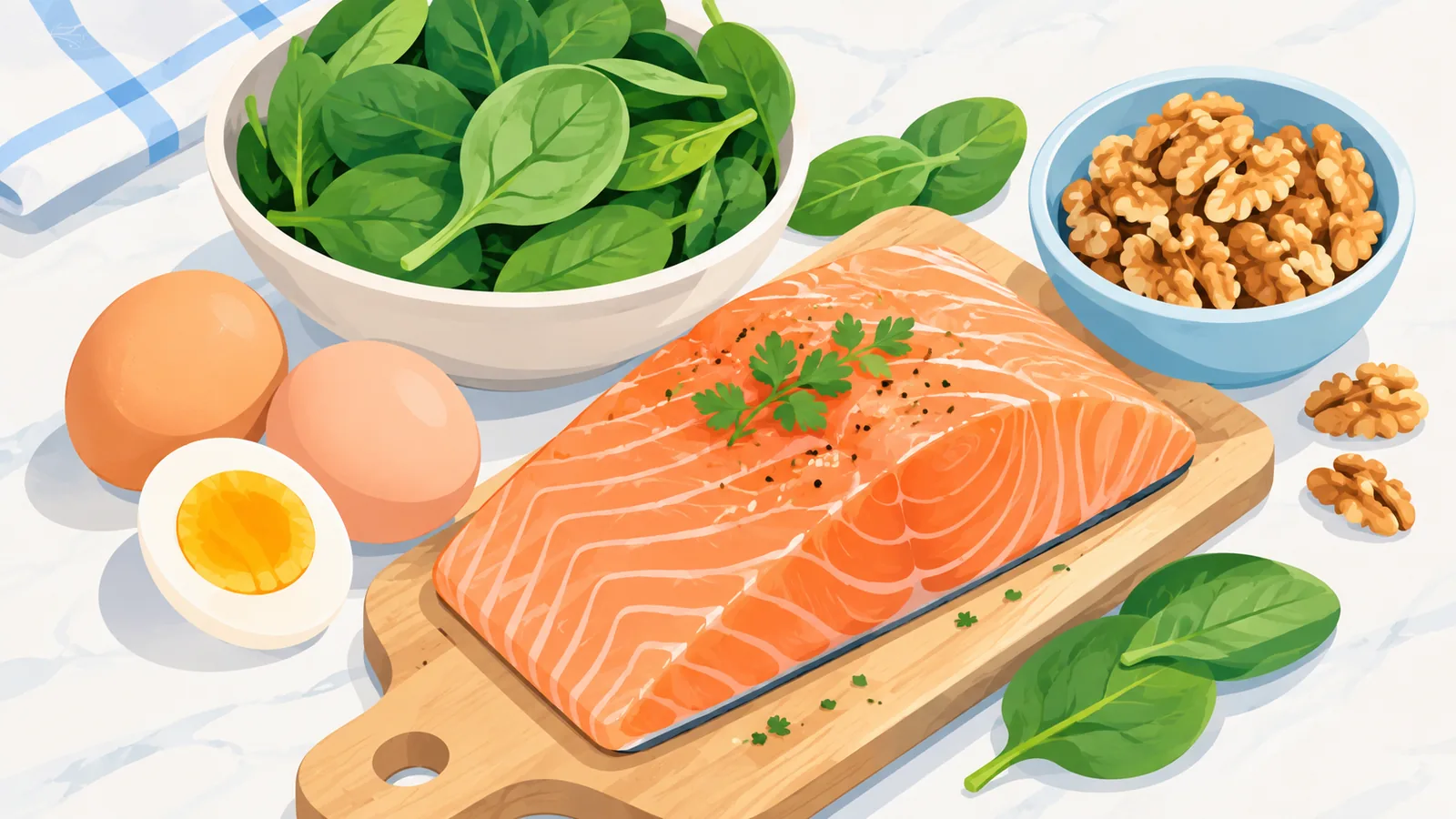
- Protein: Supports milk production and your own recovery. Lean meats, eggs, beans, and Greek yogurt are efficient sources.
- Healthy fats: Support your baby’s brain development through DHA-rich foods like salmon, walnuts, and flaxseed.
- Iron: Many postpartum parents are still replenishing iron stores lost during delivery. Include foods like lean red meat, spinach, and fortified cereals.
- Calcium: Needed for both your bone health and your baby’s development. Dairy, fortified plant milk, and leafy greens all help.
Skipping these nutrient groups to save calories often backfires — you may end up fatigued, dealing with low milk supply, or more prone to postpartum nutrient deficiencies.
Safe Rate of Weight Loss Postpartum
A widely cited safe target is losing about one pound per week, and many providers recommend waiting until your milk supply is well established — typically one to two months postpartum — before starting any intentional weight loss effort.
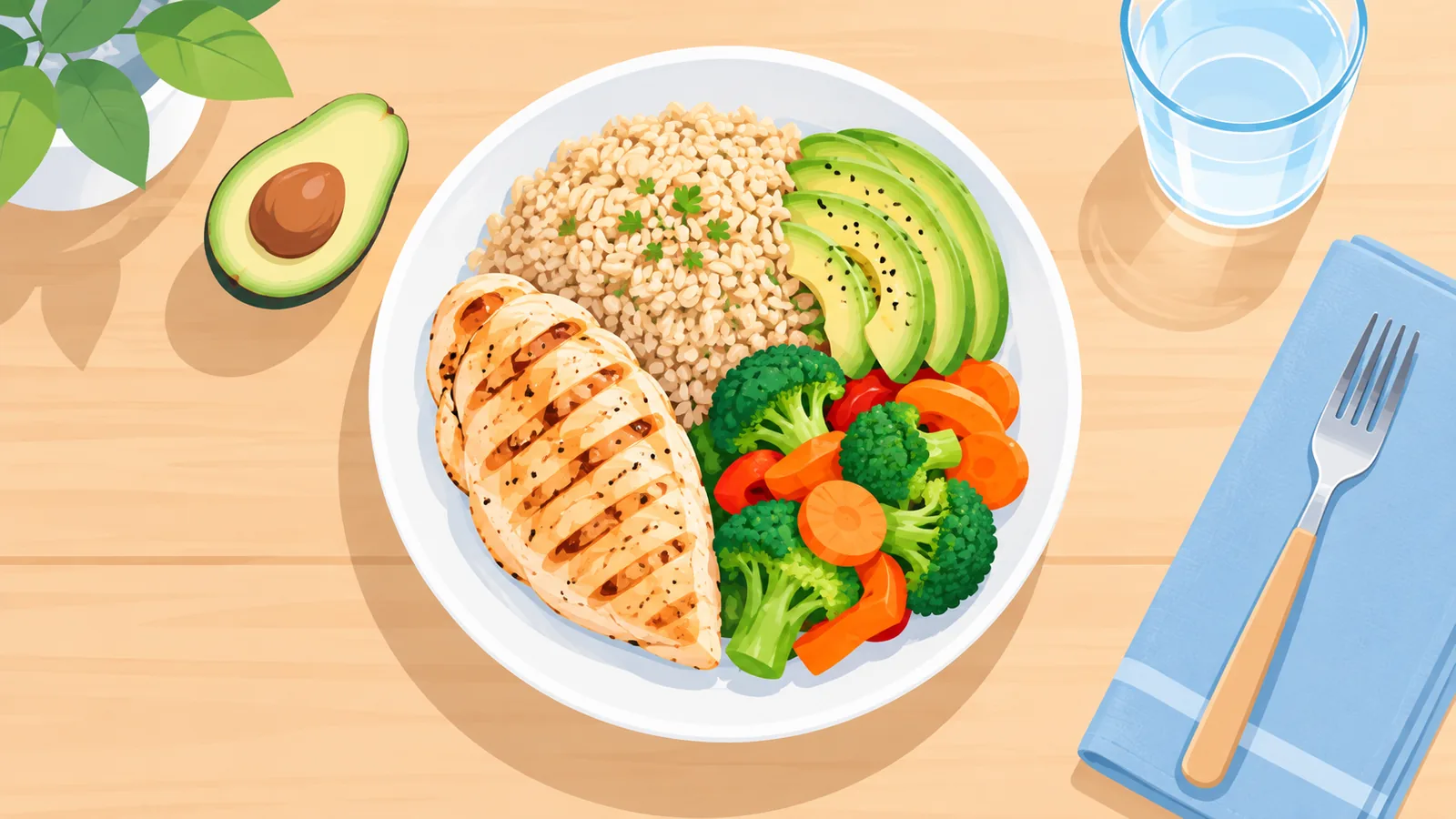
Rapid weight loss is discouraged while nursing because it often means cutting calories or carbohydrates too aggressively, which can affect both supply and your energy levels during an already demanding season.
Rather than obsessing over the scale, track how you feel: energy levels, mood, and whether your baby seems satisfied after feeds are often better indicators of whether your approach is sustainable.
Meal Timing and Structure for Nursing Parents
Consistent meals help stabilize both your energy and your milk supply. Long gaps without eating can leave you running on empty exactly when your body needs steady fuel.
A simple structure many nursing parents find workable is three main meals plus two small snacks spaced through the day, adjusted around feeding or pumping sessions rather than the clock.
Keeping quick, protein-forward snacks on hand — like a hard-boiled egg, a handful of nuts, or yogurt — makes it easier to eat consistently even on chaotic days.

Hydration and Its Role in Milk Supply
Breastfeeding increases your fluid needs. A practical approach is to drink to thirst and keep water within reach during nursing sessions, since many parents notice increased thirst right as they start a feed.
Signs you may not be drinking enough include dark urine, dry mouth, headaches, or unusual fatigue. These symptoms are worth addressing quickly, since dehydration can compound the fatigue that’s already common postpartum.
Keeping a water bottle in each spot you typically nurse — the couch, the nursery, your bedside — is a simple habit that removes the friction of remembering to drink.

🛒 Recommended Product
Foods and Habits to Approach with Caution
Moderate caffeine intake, generally under about 300 mg per day, is typically considered acceptable while breastfeeding. Alcohol is best avoided or timed carefully, with many providers suggesting waiting at least two hours per drink before nursing again.
Very low-carb or very low-calorie diet trends warrant extra caution during lactation. Restricting food groups aggressively can make it harder to meet the elevated nutrient and calorie demands of nursing.
If you’re considering supplements to support weight loss or energy, talk to your doctor or a lactation consultant first — some ingredients aren’t well studied for use while breastfeeding.

Extended fasting windows also deserve care. Skipping meals for long stretches can make it harder to hit your calorie and fluid targets for the day, so many providers suggest prioritizing regular meals over structured fasting while nursing.
| Criteria | Moderate Calorie Deficit | Aggressive Restriction |
|---|---|---|
| Impact on milk supply | Generally low risk when calorie floor is maintained | Higher risk of reduced supply |
| Energy levels | Manageable with consistent meals | Often leads to fatigue and low mood |
| Sustainability | Easier to maintain over months | Difficult to sustain, higher dropout risk |
| Speed of weight loss | Gradual, steady progress | Faster short-term, often followed by rebound |
Daily Diet Checklist for Breastfeeding Parents
- Hit your minimum calorie floor (generally not below ~1,800 calories without medical guidance)
- Included a protein and iron-rich food at most meals
- Met your daily water intake target
- Ate a balanced meal before or after key feeding sessions
- Checked in on your own energy and mood levels

Warning Signs That Intake Is Too Low
Pay attention to your body’s signals. A noticeable drop in milk supply, persistent fatigue or dizziness, and mood changes or irritability can all point to inadequate intake.
Other signs worth watching for include unusual hair shedding, difficulty concentrating, and feeling unusually cold. If these symptoms show up alongside a diet change, it’s a signal to reassess your calorie and nutrient intake.
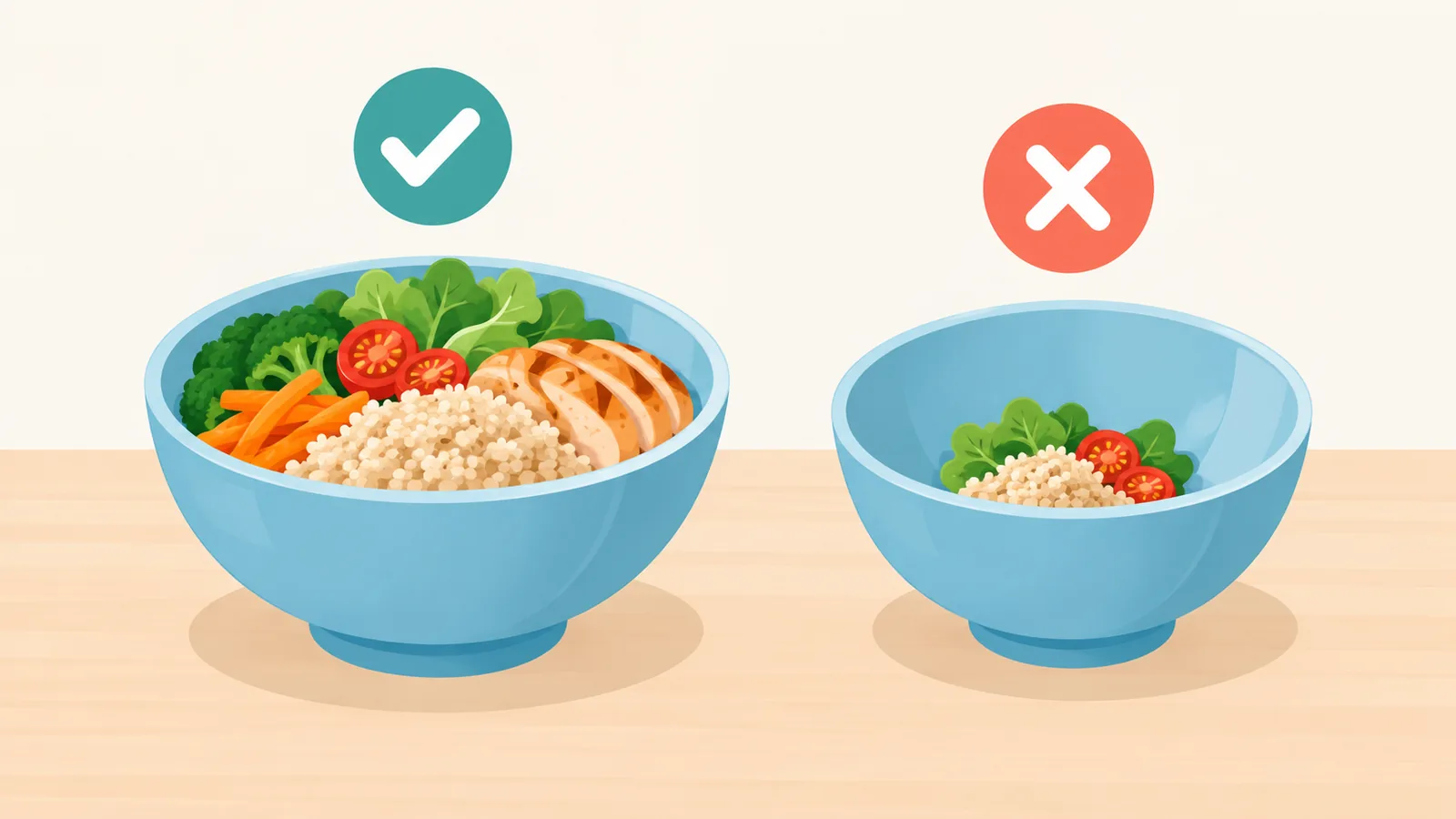
If symptoms persist or worsen, contact a doctor or lactation consultant rather than trying to push through — they can help you adjust your plan safely.
Frequently Asked Questions
Can I do intermittent fasting while breastfeeding?
It’s generally approached with caution. Extended fasting windows can make it harder to meet your elevated calorie and fluid needs, so most providers suggest prioritizing regular meals instead.
How soon after birth can I start dieting?
Many providers recommend waiting until your milk supply is established, typically one to two months postpartum, before making intentional changes to lose weight.
Do I need to eat more on high-demand nursing days?
Yes — if your baby is going through a growth spurt or nursing more frequently, your body’s calorie needs may temporarily increase as well.
What if I’m not losing weight despite eating well?
Postpartum weight loss can be slow and nonlinear. If progress has stalled for several weeks despite consistent habits, it’s worth discussing with your doctor rather than cutting calories further.
Diet and breastfeeding don’t have to be at odds. By protecting your calorie floor, prioritizing key nutrients, and aiming for gradual rather than rapid change, you can work toward your goals while still supporting your baby’s nutrition. Before making any significant changes to your diet, check in with your doctor or a lactation consultant — especially if you notice any of the warning signs above.
- General lactation nutrition guidance on maternal calorie and nutrient needs during breastfeeding
- Standard postpartum weight loss recommendations regarding gradual, moderate calorie reduction
- General caffeine and alcohol safety guidance for breastfeeding parents
Want more comparisons and buying guides?
Citing this article
Source: Atovia (Atovia). https://atovia.kr