
⚠️ This page connects you to Atovia’s partners and affiliate markets. We may receive a commission from affiliate partners for activities made through these links. Discount offers may change at any time according to policy! Rest assured, there are no additional costs to you! We hope this saves you time in finding the right items!
It is Sunday night, your inbox is already pinging, and the to-do list somehow grew while you were not looking. If that feels familiar, you are far from alone. Work stress is one of the most common pressures adults face, and it is a normal response to demanding situations, not a personal failing.
This guide gives you a realistic toolkit: quick ways to calm down today, habits that reduce stress over time, and clear signs that it is time to bring in extra support. Try one idea at a time and keep what fits your job and your life.
- Work stress usually grows when the demands on you outweigh the control, time, or support you have.
- Short body-based resets, such as slow breathing, can ease tension in the moment.
- Clear priorities and defined boundaries often help more than simply working harder.
- Sleep, movement, and genuine time away from work support recovery.
- Persistent exhaustion, dread, or physical symptoms are a good reason to talk with a professional.
Why Work Stress Happens
Work stress tends to build when the demands of a job are higher than the control, time, or support a person has to meet them. Researchers and organizations such as the American Psychological Association and NIOSH have documented this pattern for decades.
Common sources include a heavy workload, unclear expectations, little control over how or when work gets done, job insecurity, difficult relationships, and always-on communication through email and chat.
Your body does not distinguish well between a looming deadline and a real threat. It can respond with a faster heartbeat, tense muscles, and racing thoughts. That reaction is useful in short bursts but tiring when it never switches off.
A Quick Self-Check
Ask yourself which of these feels strongest right now. Knowing the main driver helps you pick the most useful section of this guide.
- Workload: There is simply too much to do. See the section on prioritization habits.
- People: A manager, coworker, or client is the main strain. See the section on boundaries and communication.
- Uncertainty: You are unsure what is expected or what the future holds. Start with clarifying priorities.
- Boundaries: Work follows you home. Try a shutdown ritual and notification limits.
Quick Calm-Down Techniques
These tools are designed for the moment, such as before a meeting, after a tense email, or when overwhelm spikes. They can ease tension and help you think more clearly, but they do not fix the underlying causes of stress. Treat them as a first aid kit, not a cure.

| Technique | Time Needed | Best For | Where You Can Do It |
|---|---|---|---|
| Slow breathing | 1 to 3 minutes | Racing heart or pre-meeting nerves | Desk, meeting room, car |
| Body scan | About 1 minute | Noticing hidden tension in shoulders and jaw | Seated at your desk |
| Short walk | 5 to 10 minutes | Mental fog or built-up frustration | Hallway, stairs, outdoors |
| Sensory grounding | 1 to 2 minutes | Sudden overwhelm | Anywhere |
| Brain dump | 5 minutes | Too many thoughts at once | Notebook or notes app |
Times are suggestions, not proven targets. Adjust them to what feels comfortable.
How to Use Each One
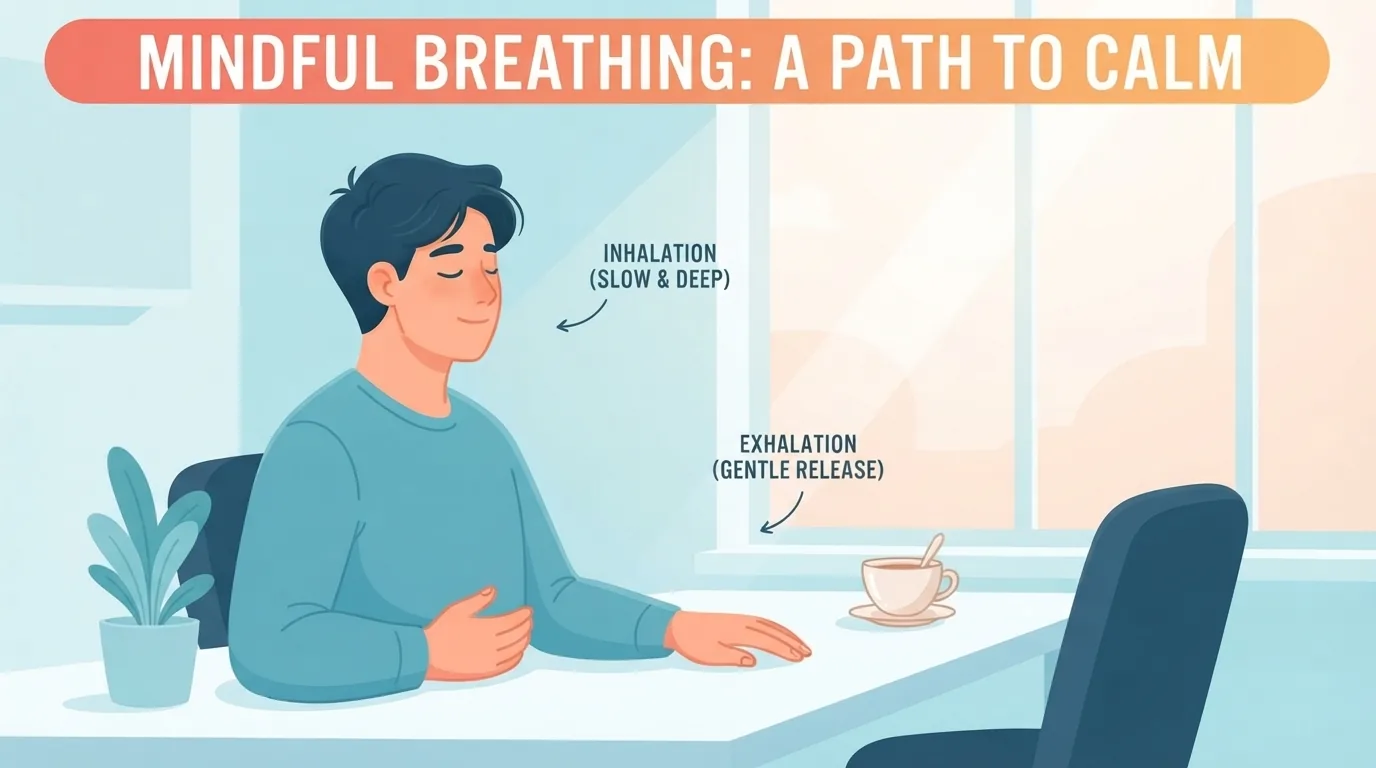
- Slow breathing: Breathe in through your nose, then breathe out gently for a little longer than you breathed in. For example, inhale for 4 counts and exhale for 6. Slow, controlled breathing can help the body settle.
- Body scan: Move your attention from your forehead down to your feet, and release any tight spots you notice, such as clenched hands or raised shoulders.
- Short walk: Leave your screen behind for a few minutes. Moving your body is a simple way to shift your mood.
- Sensory grounding: Name five things you can see, four you can feel, and three you can hear. It pulls attention back to the present.
- Brain dump: Write every worry and task on paper without organizing it. Getting it out of your head often makes it feel smaller.
Workload and Prioritization Habits
When everything feels urgent, nothing gets your full attention. These habits are practical productivity methods rather than clinically proven treatments, but many people find they reduce the feeling of being buried.
Capture, Then Choose
Start by writing every task in one place. Then pick your top three priorities for the day. Three is a simple rule of thumb that keeps the list realistic.
Sort by Urgency and Importance
A common prioritization method, often called the Eisenhower matrix, sorts tasks into four groups:
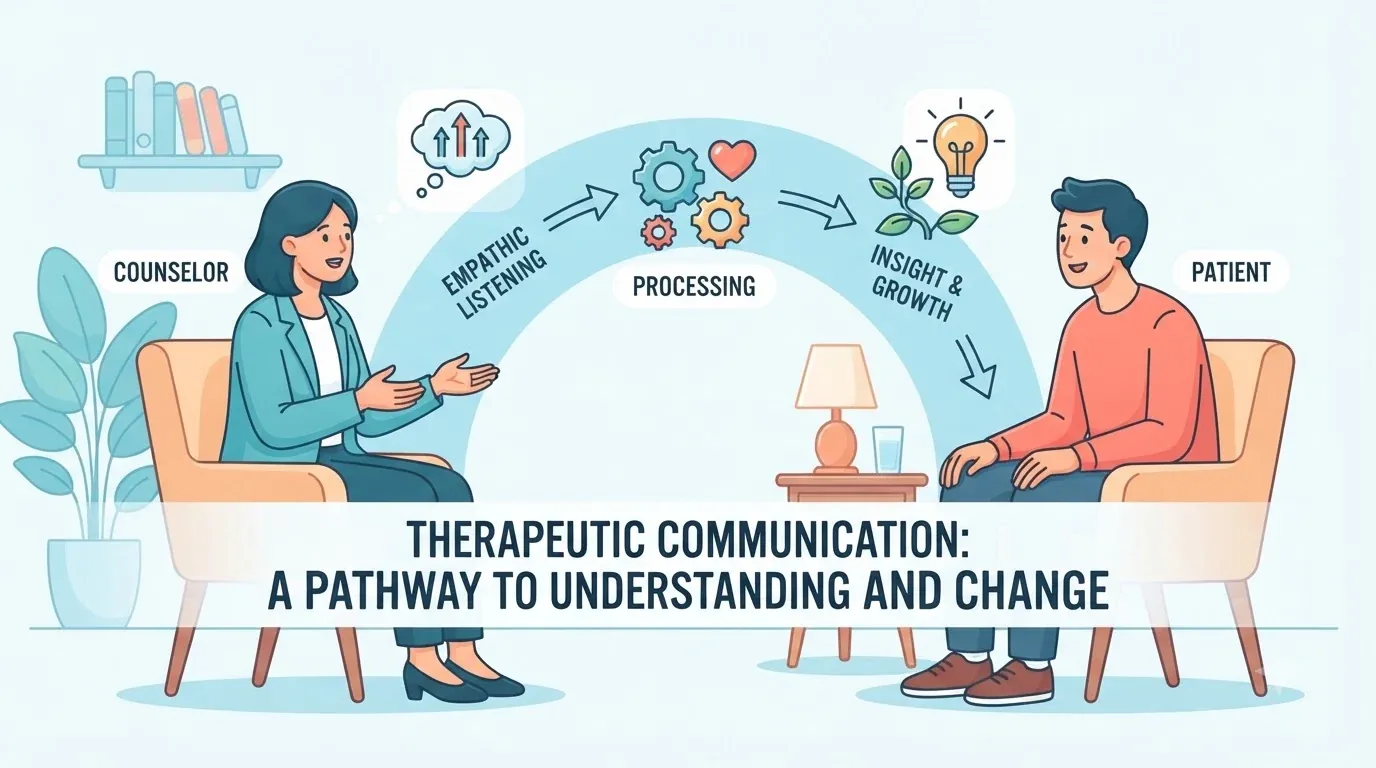
- Urgent and important: Do these first.
- Important but not urgent: Schedule time for them.
- Urgent but not important: Delegate or shorten them where you can.
- Neither: Drop or postpone them.
Worked Example: From 25 Items to 3
Imagine a list with 25 tasks. Mark anything with a deadline today or tomorrow, then mark anything that moves a key project forward. You might end up with three items for today: send the client proposal, prepare for the Wednesday meeting, and reply to your manager’s question. The other 22 move to a “later” list, get delegated, or get declined. The list still exists, but your day now has a clear shape.
Protect Your Focus
- Time blocking: Reserve set blocks on your calendar for specific work.
- Batching: Check email and messages at set times instead of all day.
- One daily focus block: Guard one stretch of uninterrupted time for your most demanding task.
- Next visible step: Break large tasks down until you can name the very next small action, such as “open the document and write the outline.”
Boundaries and Communication
Boundaries are not about doing less. They protect your energy so you can do your work well. What is realistic varies by job and industry, so adapt these ideas to your workplace.
Set Work Hours and a Shutdown Ritual
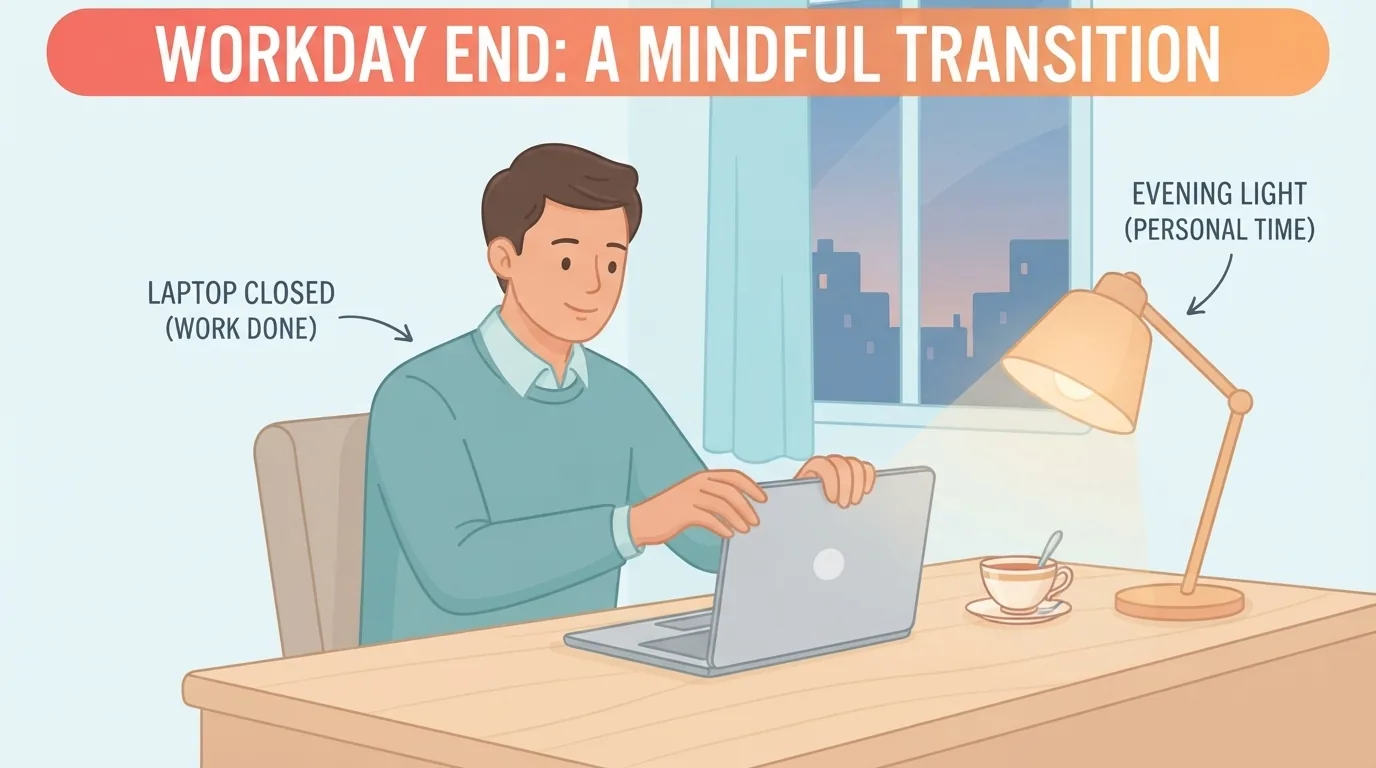
Decide when your workday ends and give it a clear finish. A shutdown ritual can be as simple as writing tomorrow’s list, closing your laptop, and saying “done for today.” Where possible, mute work notifications after hours.
Sample Scripts to Adapt
These are starting points, not guaranteed outcomes. Change the wording so it sounds like you.
🛒 Recommended Product
- Clarifying priorities: “I have three projects due this week. Can we confirm which one comes first so I can plan my time?”
- Pushing back on a deadline: “I want to do this properly. With my current workload, I can deliver it by Thursday. Does that work, or should we move something else?”
- Saying no with an alternative: “I cannot take this on today, but I could look at it Monday morning, or I can suggest someone who might have capacity.”
Ask for Support Early
Before a difficult conversation, jot down the facts, what you need, and one possible solution. Raising concerns early, while they are still small, is usually easier than waiting until you are exhausted.
Recovery Outside Work
Stress management is not only about what happens at your desk. Sleep, regular movement, time outdoors, social connection, and hobbies unrelated to work all support your body’s ability to recover. Guidance from organizations such as the CDC and NIMH points in the same direction.
Switch Off Mentally
Research on psychological detachment suggests that mentally stepping away from work during off hours is associated with better recovery and well-being. Helpful cues include changing clothes after work, taking a short walk to mark the end of the day, or moving work apps off your phone’s home screen.
Use Real Time Off
Breaks, days off, and vacations can help, especially when you truly disconnect. Try to keep weekends from turning into catch-up time for work.
Start Small
Small habits you repeat beat big overhauls you abandon. Pick one, such as a 15-minute evening walk or a consistent bedtime, and build from there.
Signs It’s Time to Get Help
Some stress is a normal part of working life. It may be time to reach out for support if you notice several of these signs lasting for weeks:
- Constant exhaustion that rest does not fix
- Dread about work that feels hard to shake
- Irritability or a short temper
- Trouble sleeping
- Difficulty concentrating
- Physical symptoms such as headaches or stomach trouble
- Losing interest in things you usually enjoy
Burnout Versus Ordinary Stress
The World Health Organization describes burnout as an occupational phenomenon resulting from chronic workplace stress that has not been successfully managed. It is characterized by feelings of exhaustion, increased mental distance or cynicism toward the job, and reduced professional effectiveness. This list is meant to help you decide when to seek support, not to diagnose anything.
Who You Can Talk To
- A primary care provider, especially if you have physical symptoms or sleep problems
- A licensed therapist or counselor
- An employee assistance program (EAP), if your employer offers one
- Human resources, to ask about options available at your workplace
If you are in crisis or thinking about harming yourself, you can call or text 988 to reach the 988 Suicide & Crisis Lifeline in the United States at any time.
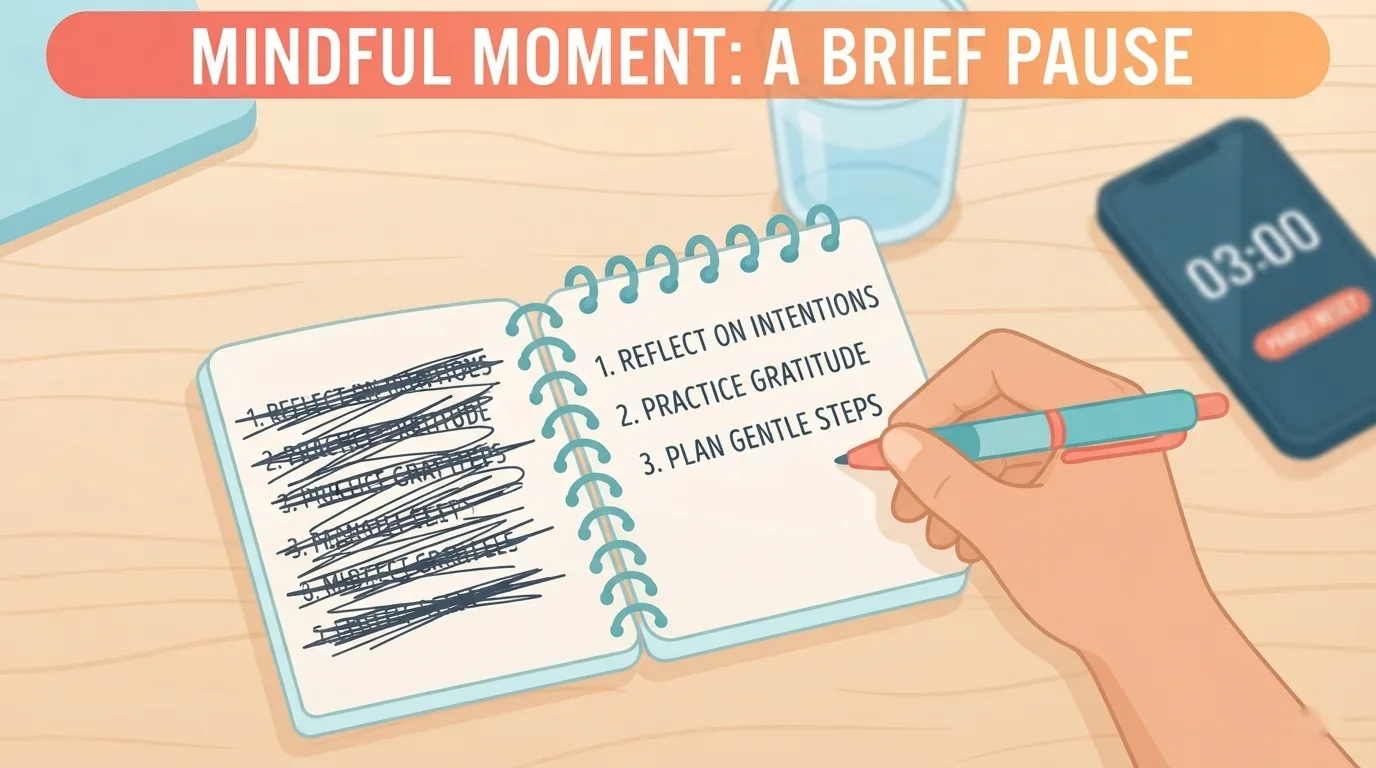
Your Daily Stress-Less Checklist
Use this as a suggested routine, not a rulebook. Keep what helps and skip the rest.
Morning
- ☐ Pick your top three tasks
- ☐ Set one boundary for the day
Midday
- ☐ Take a real break away from your screen
- ☐ Do one calming technique
End of Day
- ☐ Write tomorrow’s list
- ☐ Do your shutdown ritual
- ☐ Log off on time
Evening
- ☐ Do one recovery activity you enjoy
- ☐ Keep a consistent bedtime
You do not need to change everything at once. Choose one technique from this guide and try it today.
Frequently Asked Questions
Is some work stress normal?
Yes. Short-term pressure around deadlines or change is a normal part of working life. It becomes a concern when it lasts for weeks, affects your sleep or health, or leaves you feeling constantly drained.
How fast can I feel less stressed?
Quick techniques such as slow breathing or a short walk can ease tension in the moment. Lasting change usually comes from repeated habits around workload, boundaries, and recovery, and the pace varies from person to person.
What if my workload will not change?
Focus on what you can influence: how you prioritize, when you check messages, and how you communicate trade-offs. Asking your manager which tasks matter most is often a good first step, and protecting your recovery time becomes even more important.
How do I stress less when my boss is the problem?
Keep communication clear and, where useful, in writing. Ask for priorities to be confirmed, document agreements, and use the scripts above. If the situation does not improve, consider talking with HR, a trusted mentor, or a counselor about your options.
Should I take time off or quit?
This is a personal decision, so it helps to weigh a few questions. Would a break give you real relief, or would the same stress be waiting when you return? Have you tried changing workload, boundaries, or role? Do you have the financial and practical flexibility to make a change? Talking it through with a therapist, mentor, or trusted friend can help you think clearly.
When should I see a professional?
Consider reaching out if stress lasts for weeks, disrupts your sleep or health, or leaves you feeling hopeless or unable to function at work or at home. A primary care provider or licensed therapist is a good place to start.
This article offers general wellness information, not medical advice or a diagnosis. Results vary from person to person.
- World Health Organization. Burn-out as an occupational phenomenon (ICD-11).
- American Psychological Association. Resources on workplace stress.
- National Institute for Occupational Safety and Health (NIOSH). Information on job stress and recovery.
- National Institute of Mental Health (NIMH). Information on stress and coping.
- 988 Suicide & Crisis Lifeline. Call or text 988, or visit 988lifeline.org.
Want more comparisons and buying guides?
Citing this article
Source: Atovia (Atovia). https://atovia.kr