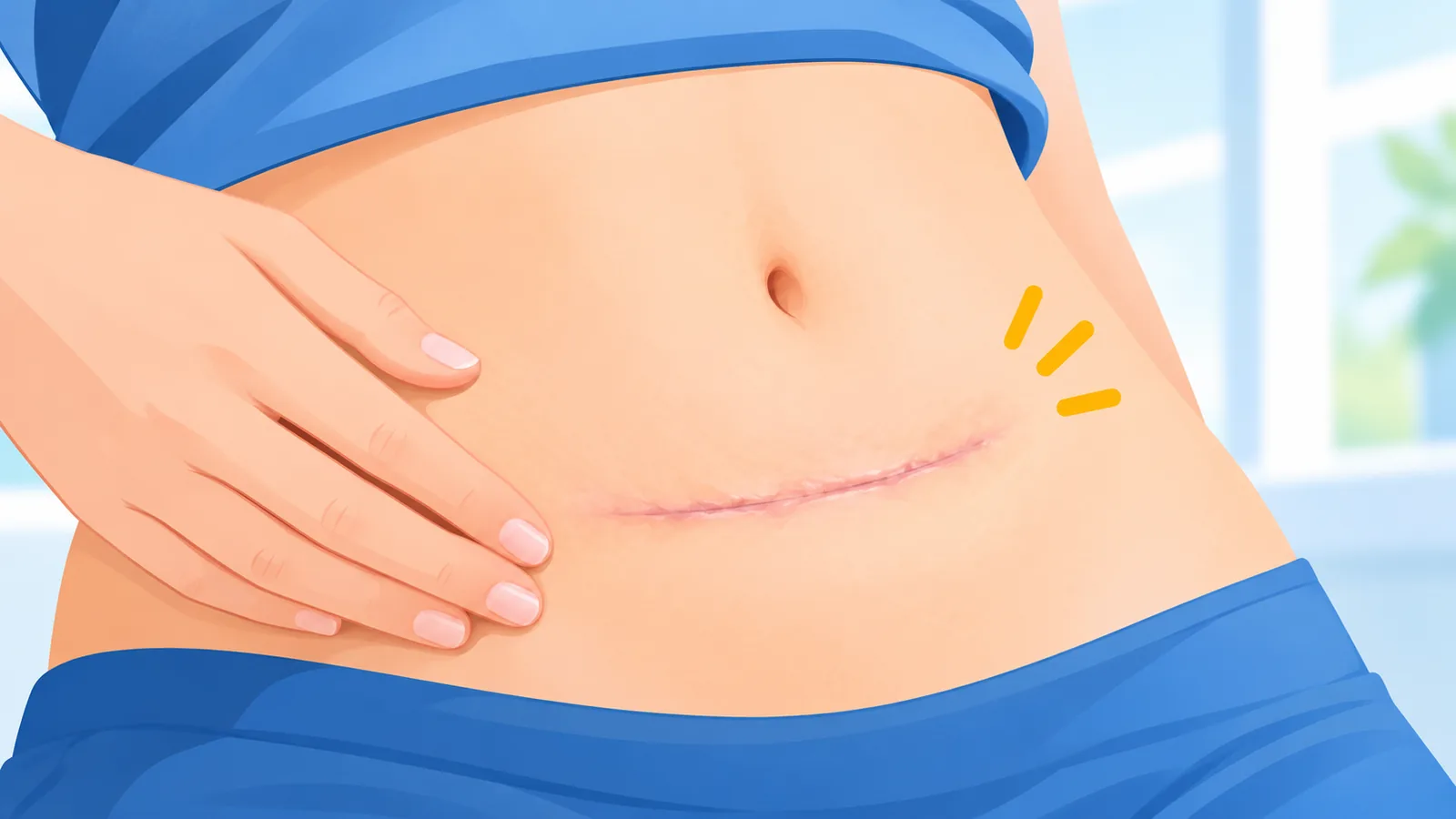
⚠️ This page connects you to Atovia’s partners and affiliate markets. We may receive a commission from affiliate partners for activities made through these links. Discount offers may change at any time according to policy! Rest assured, there are no additional costs to you! We hope this saves you time in finding the right items!
- How Surgical Scars Heal (and What Creams Can Realistically Do)
- Before You Buy: Safe-Use Checklist
- How to Choose: 6 Selection Criteria
- Ingredient and Product Type Comparison
- Best Overall: Silicone Scar Gel
- Best for Large or Raised Scars: Silicone Sheets
- Best for Face and Visible Areas: Silicone Gel with SPF
- Best Budget and Sensitive-Skin Options
- Picks by Use Case
- Application Mistakes and Complementary Care
- Frequently Asked Questions
- Silicone gel and silicone sheeting are the most widely recommended options for new surgical scars.
- Start only after the incision has fully closed and your surgeon approves.
- Daily sun protection on the healed scar matters as much as the product you choose.
- No cream erases a scar. The realistic goal is a flatter, softer, less noticeable scar.
Shopping for a scar cream after surgery is confusing. Labels promise to “fade,” “erase,” or “repair,” but very few products have research behind those claims. The short answer: start with silicone. Silicone gel and silicone sheets are the most widely recommended topical options for improving the look of new surgical scars and for helping prevent raised scars. Other products, such as petroleum jelly or onion extract gels, can fit specific situations, but their evidence is weaker or different in kind.
As an Amazon Associate I earn from qualifying purchases.
🛒 Recommended Product
This guide compares product types by evidence, scar age, body area, and skin sensitivity, so you can match a product to your incision instead of a marketing slogan. We name product types and ingredient profiles rather than brands, and we flag where the evidence is mixed. Always confirm your choice with your surgeon before you start.
How Surgical Scars Heal (and What Creams Can Realistically Do)
Every surgical incision heals in overlapping phases. The wound closes first, then new tissue builds up, and finally the scar remodels. That last stage is slow. Scars keep maturing for roughly a year or longer, which is why results from any scar product are gradual and why a scar often looks redder or more raised at three months than it will at twelve.
Realistic expectations
No topical product removes a scar. What the better options can do is help the scar heal flatter, softer, and less noticeable. Scar products affect how the scar looks. They do not make the wound itself close faster.
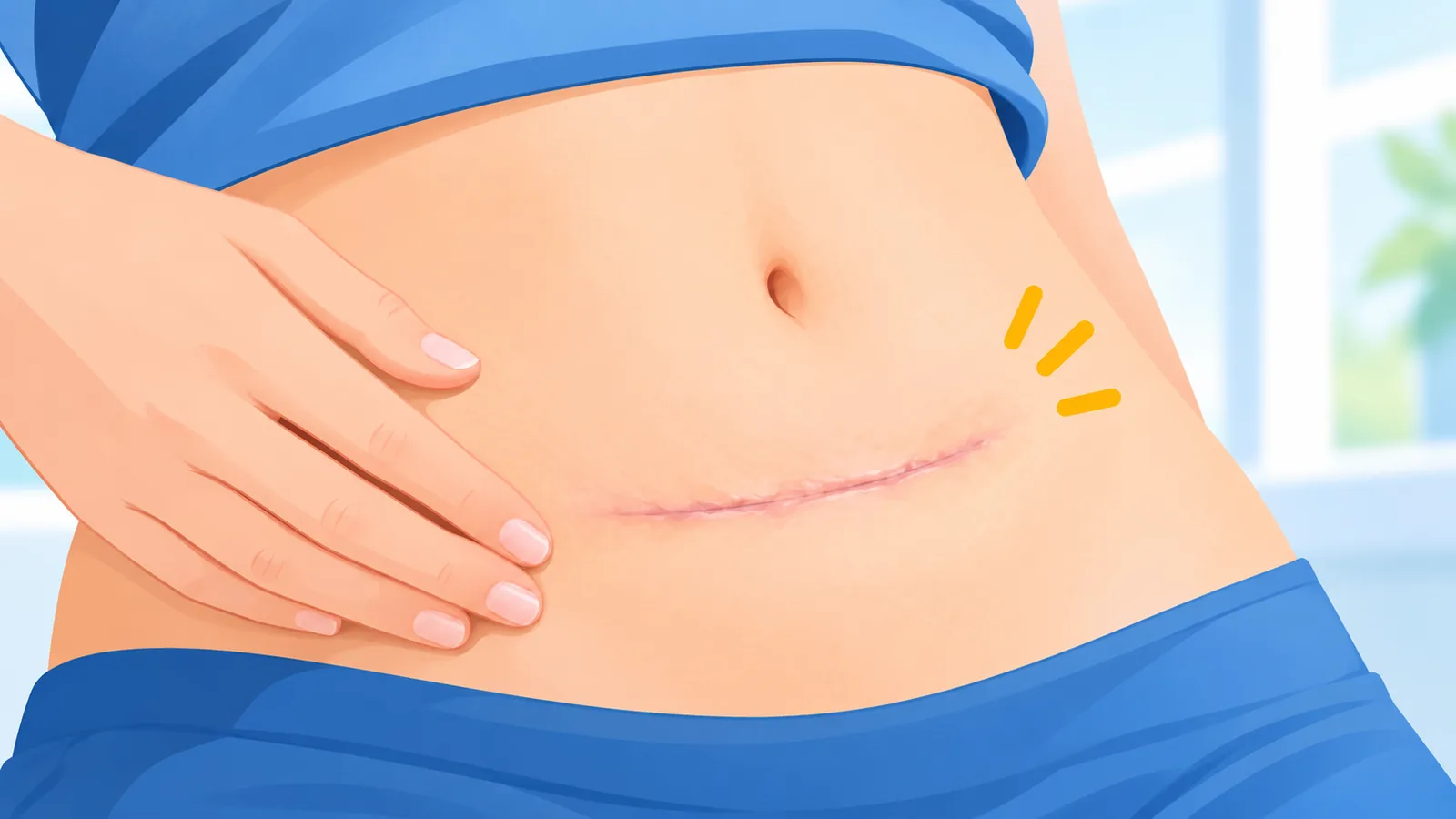
Normal, hypertrophic, and keloid scars
A normal scar fades and flattens over time. A hypertrophic scar is raised and thick but stays within the original incision line. A keloid grows beyond the original wound edges. Raised scars and keloids can need dermatologist care, such as steroid injections, laser treatment, or other procedures, and a cream alone may not be enough.
Before You Buy: Safe-Use Checklist
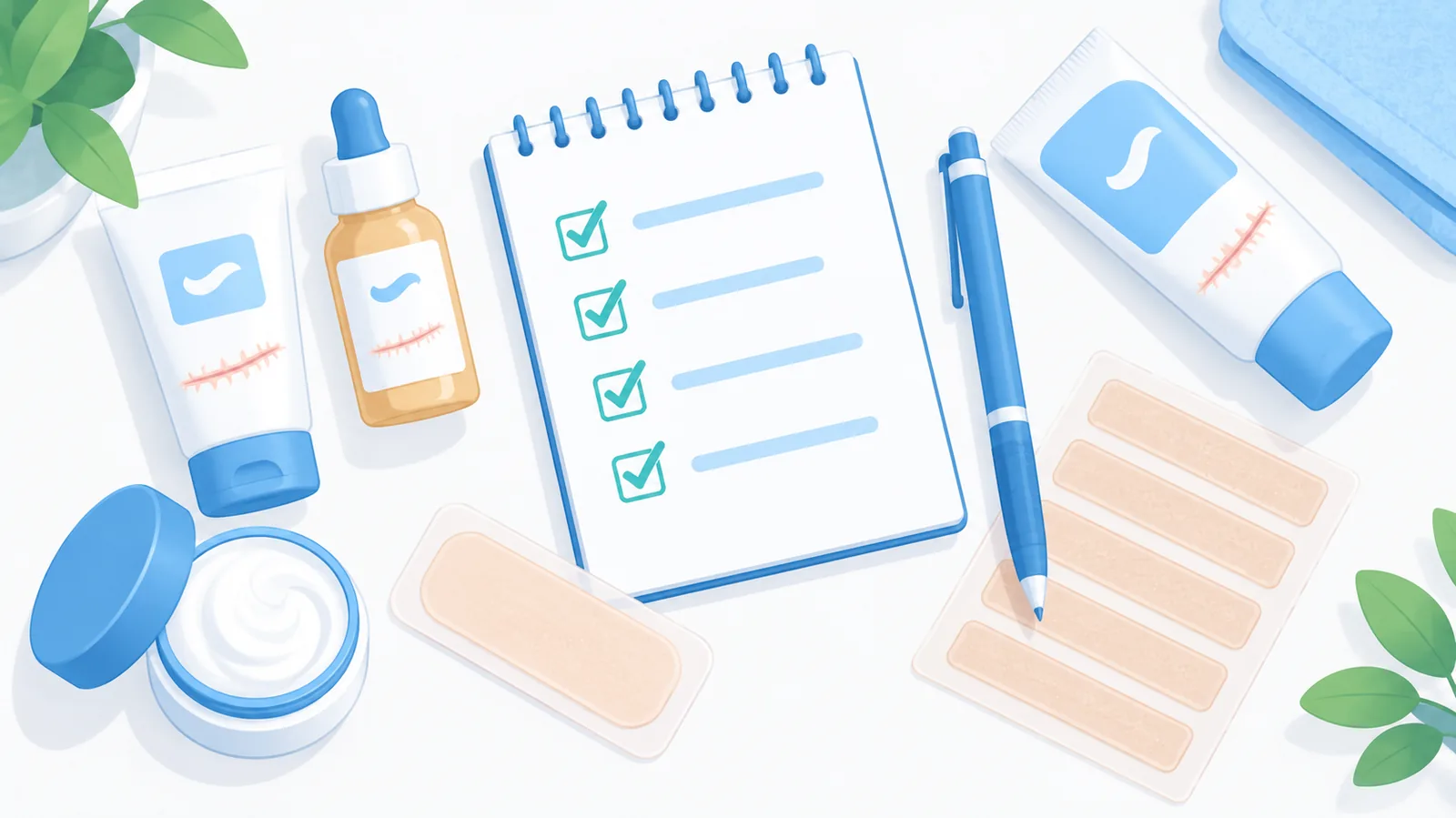
Run through these checks before you put any product on an incision. Talk to your surgeon first, especially after facial, cosmetic, or C-section surgery.
- The wound is fully closed. No scabs, open areas, or drainage.
- Your surgeon has approved. Timing varies by procedure and by how you are healing.
- You have patch tested. Try a small amount on nearby healthy skin and stop use if redness, itching, or a rash develops.
- You know the infection warning signs. Spreading redness, warmth, pus, or fever means you should call your care team rather than apply a cream.
- You have checked the label. Follow the product directions for application and wear time.

How to Choose: 6 Selection Criteria
Use these six criteria to narrow the field before you compare products.
- Scar age. New scars generally respond better than older ones. Silicone may still help older scars somewhat, but the benefit tends to be greater early on.
- Body area. Faces, joints, chest, and abdomen each favor different formats. Sheets stay put on flat areas, while gels suit curved or moving areas.
- Skin sensitivity and allergies. If your skin reacts easily, look for fragrance-free formulas and patch test first.
- Format. Gel, sheet, cream, or tape. The best format is the one you will actually use consistently.
- Sun protection and daily routine. Healed scars darken more easily in the sun. Broad-spectrum SPF 30 or higher on the scar helps limit that.
- Cost and ease of consistent use. Scar care takes months, so compare the cost per month and pick something that fits your routine. Prices vary by retailer.
Ingredient and Product Type Comparison
This table compares the main product types. Evidence labels reflect how widely each option is recommended and how consistent the research is. They are not guarantees of results.
| Product Type | Evidence Level | Best For | Ease of Use | Relative Cost | Cautions |
|---|---|---|---|---|---|
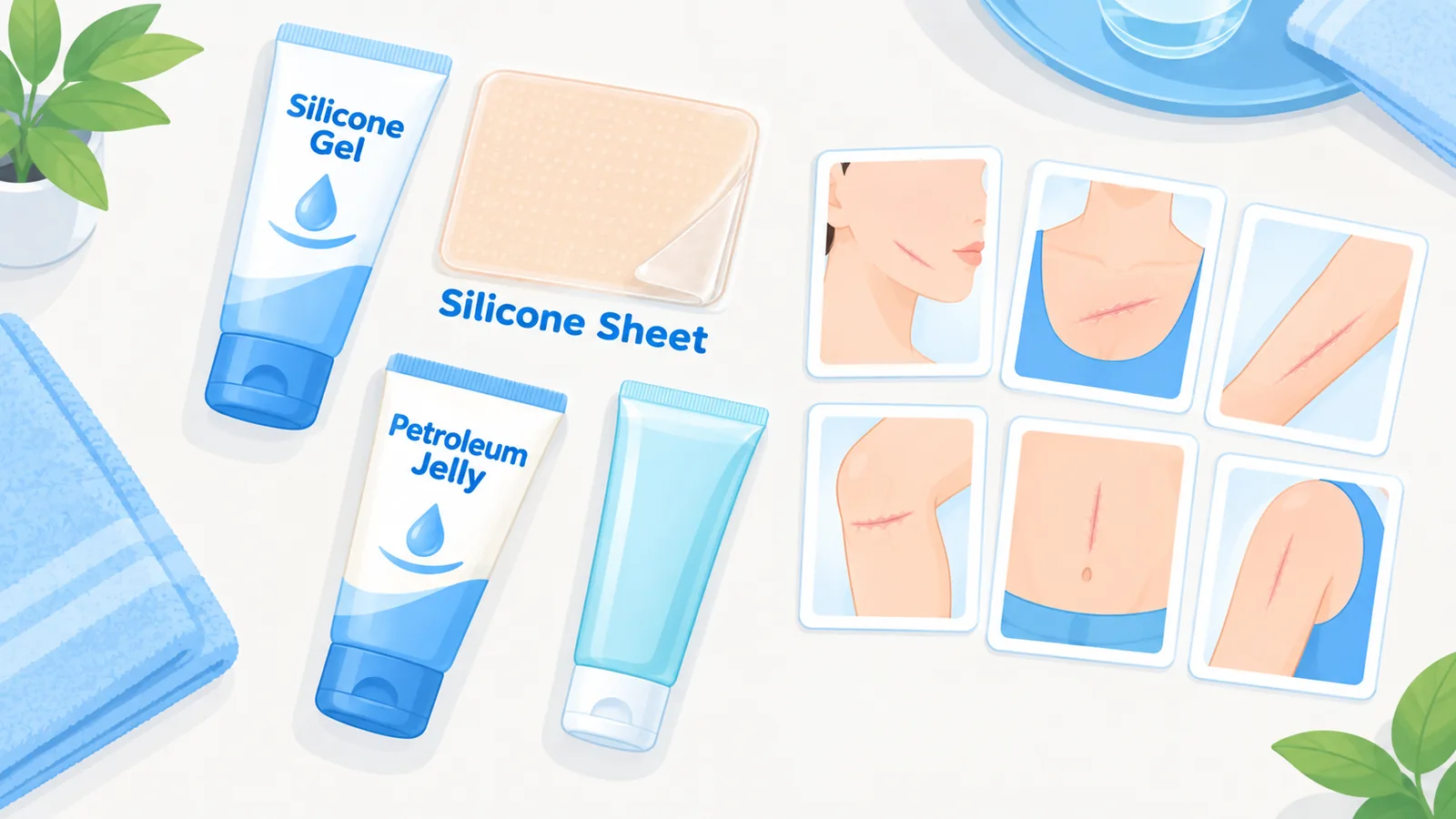
| Silicone gel | Stronger | New scars on most body areas | Easy; spreads thin and dries | Moderate | Study quality is mixed; use consistently for months |
| Silicone sheets or strips | Stronger | Large or raised scars on flat areas | Moderate; must be washed and reapplied | Moderate to higher | Can slip on moving or hairy areas |
| Silicone gel with SPF | Stronger (silicone component) | Face and visible areas | Easy; one step in the morning | Moderate to higher | Availability varies; check the SPF level and label |
| Petrolatum-based ointment | Limited for scar fading | Protecting healing skin; sensitive skin | Easy | Lower | Protects and moisturizes; not proven to fade scars |
| Onion extract gel | Mixed | Shoppers who want an additional option | Easy | Lower to moderate | Some studies show modest benefit, others none |
| Vitamin E | Limited | Not recommended as a first choice | Easy | Lower | No reliable benefit shown; can cause contact dermatitis |
Best Overall: Silicone Scar Gel
Why it ranks first: Silicone is the most widely recommended topical ingredient for new surgical scars. A thin, clear gel is also the easiest format to use every day. It dries into a flexible layer that helps keep the scar hydrated, which is thought to be part of how silicone supports flatter, softer healing.
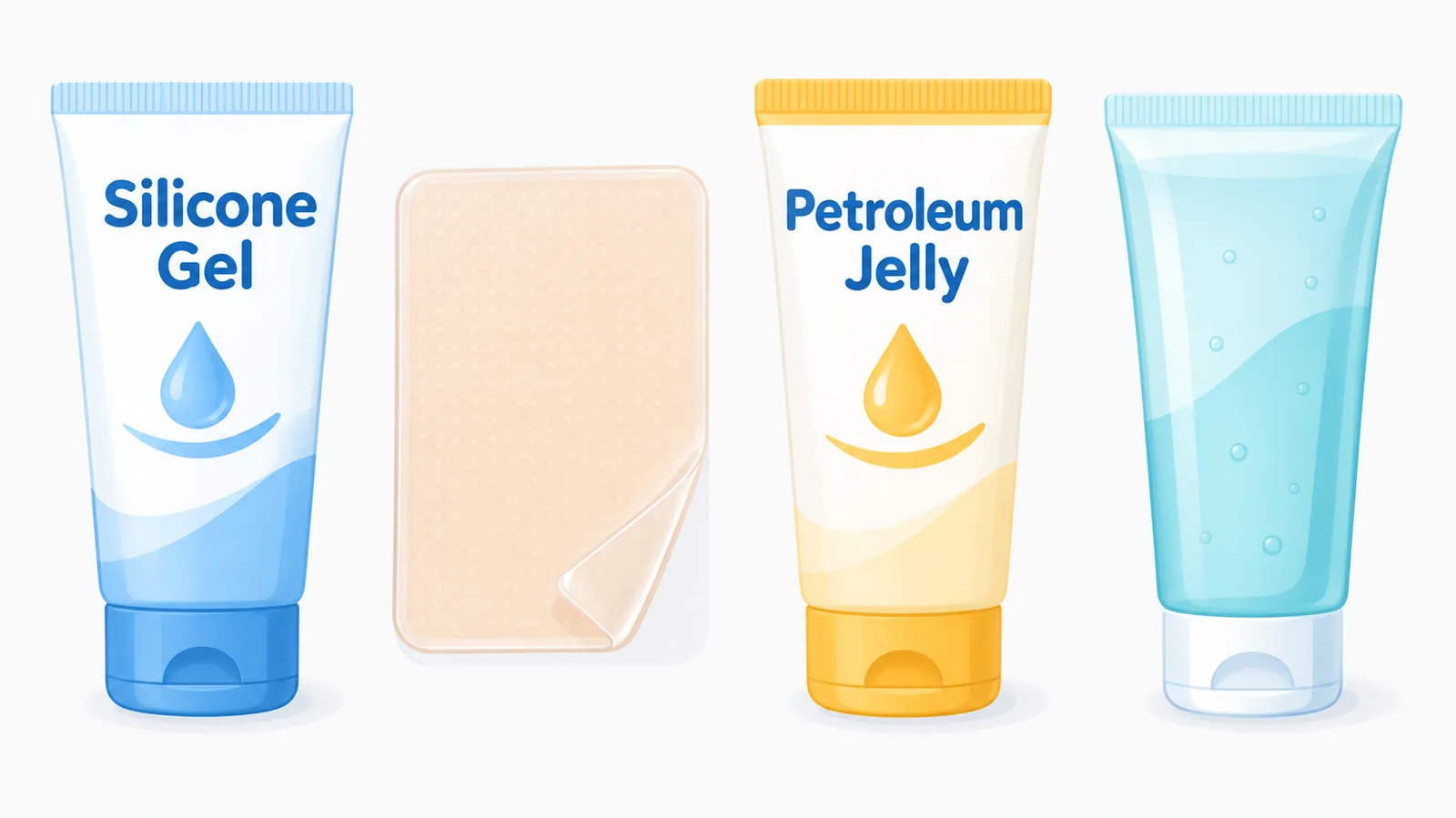
Who it suits: People with new, fully closed incisions on the abdomen, arms, legs, chest, or back who want a simple, low-effort routine.
How to use it: Apply a thin layer to clean, dry skin along the scar and let it dry before dressing. Follow the label for how often to apply and how long to continue. Most people need several weeks to a few months of consistent use before they notice a difference.
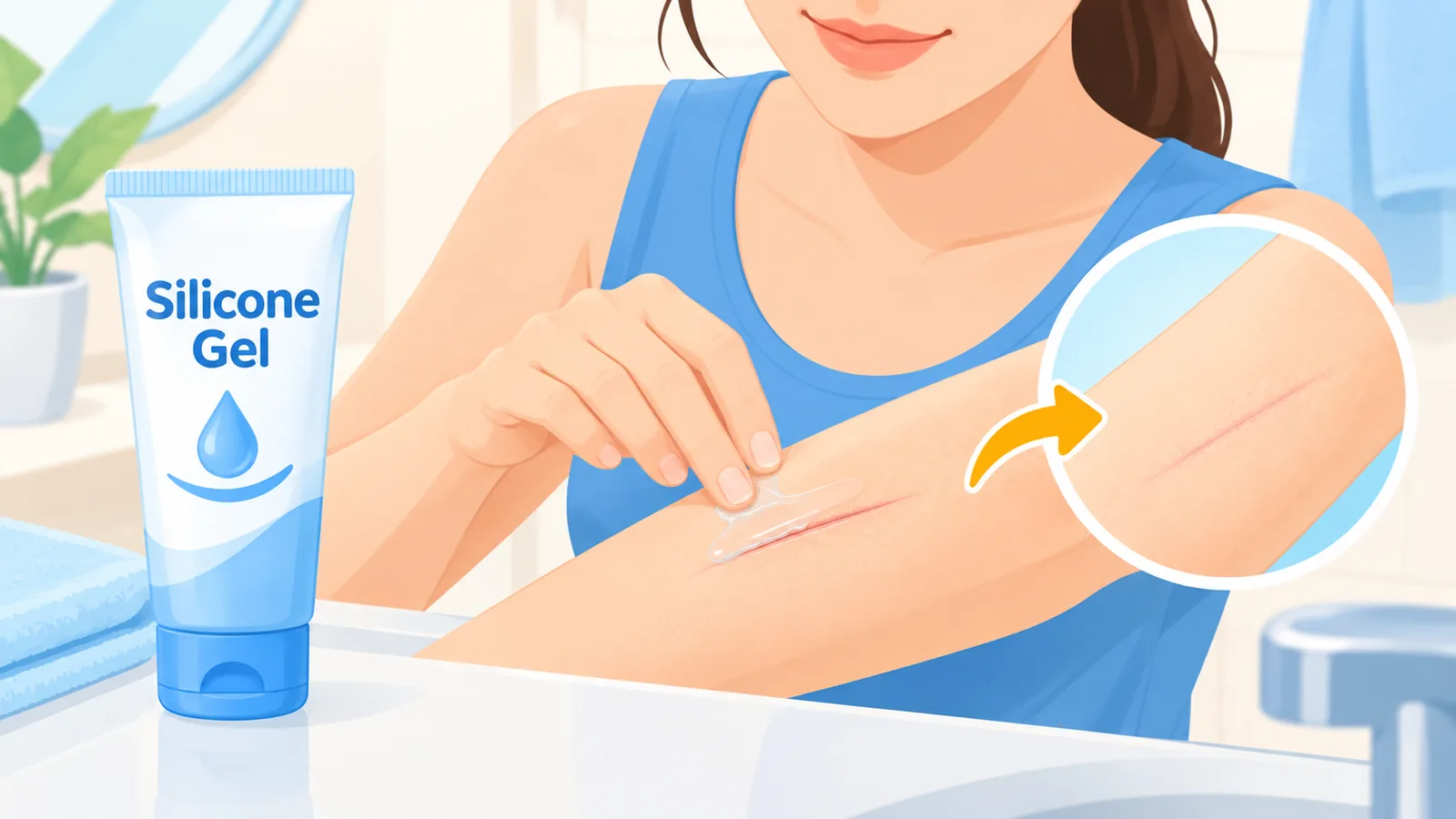
Drawbacks: It takes patience, and research quality is mixed, so describe it as the most widely recommended option, not a proven fix. Results vary from person to person.
Best for Large or Raised Scars: Silicone Sheets
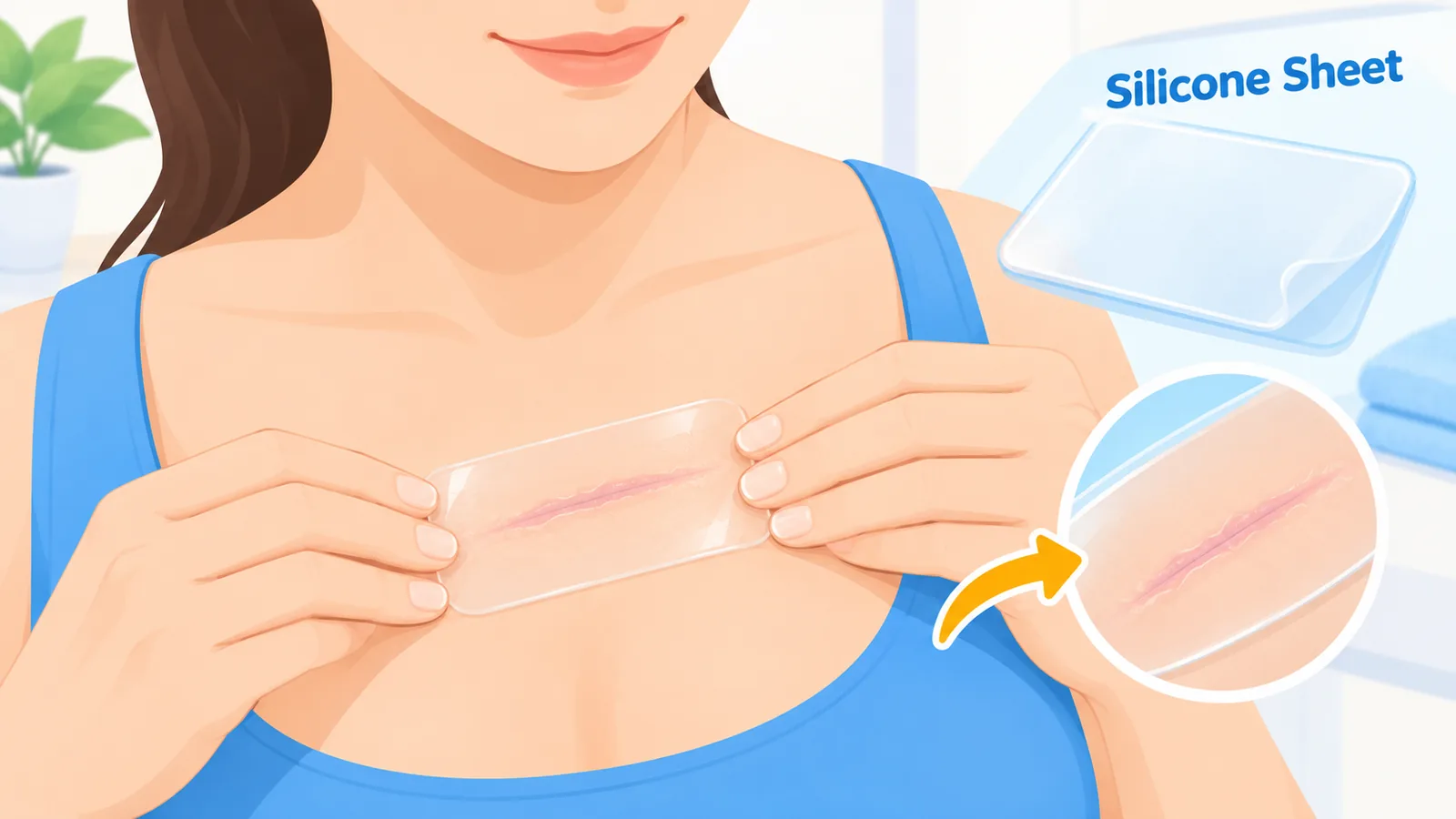
Silicone sheets and strips combine hydration with light, steady contact over the scar. That makes them a common choice for longer or raised scars on flat areas such as the chest, abdomen, or back.
- Wear schedule: Follow the product label for how many hours to wear a sheet each day. Many are washable and reusable for a limited period.
- Care tips: Wash the skin and the sheet as directed, let both dry fully, and watch for skin irritation from the adhesive.
- Limits: Sheets can slip on joints and curved areas and may not stick well on hairy skin. In those spots, a gel is often easier.
Best for Face and Visible Areas: Silicone Gel with SPF
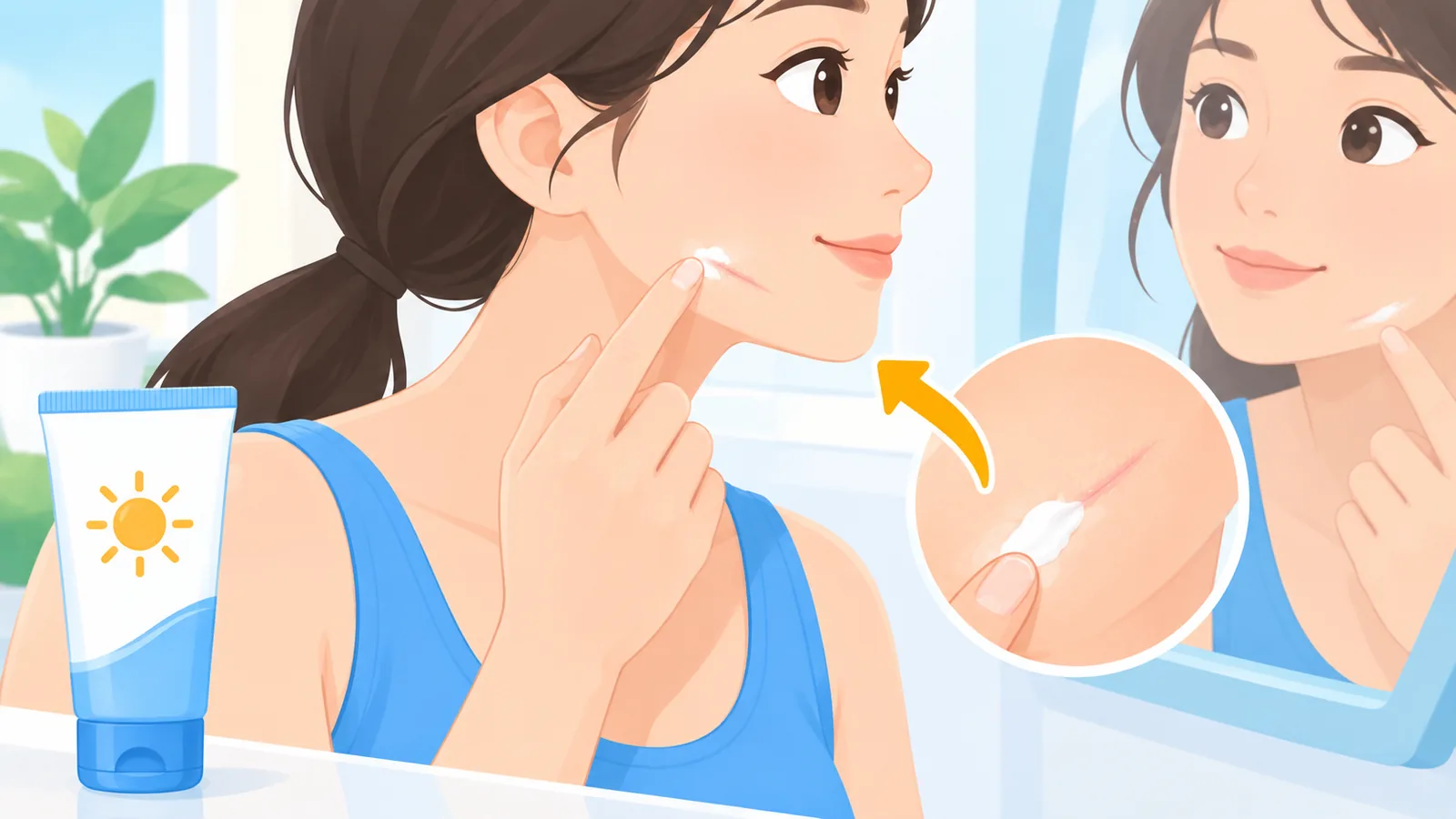
On the face, neck, and hands, you want something discreet that fits under makeup and daily life. A fast-drying silicone gel is nearly invisible once it sets. Some products combine silicone with sunscreen, though availability varies, so check the label for the SPF level and broad-spectrum protection.
🛒 Recommended Product
Sunscreen pairing: Sun exposure can darken a healed scar, so daily broad-spectrum SPF 30 or higher on the scar is worth the habit. If your silicone gel has no SPF, apply it first, let it dry, and layer sunscreen on top. For facial surgery, ask your surgeon which products are safe to use and when.
Best Budget and Sensitive-Skin Options
If cost or skin sensitivity is your main concern, two lower-cost options are worth knowing about, with honest limits on what each does.
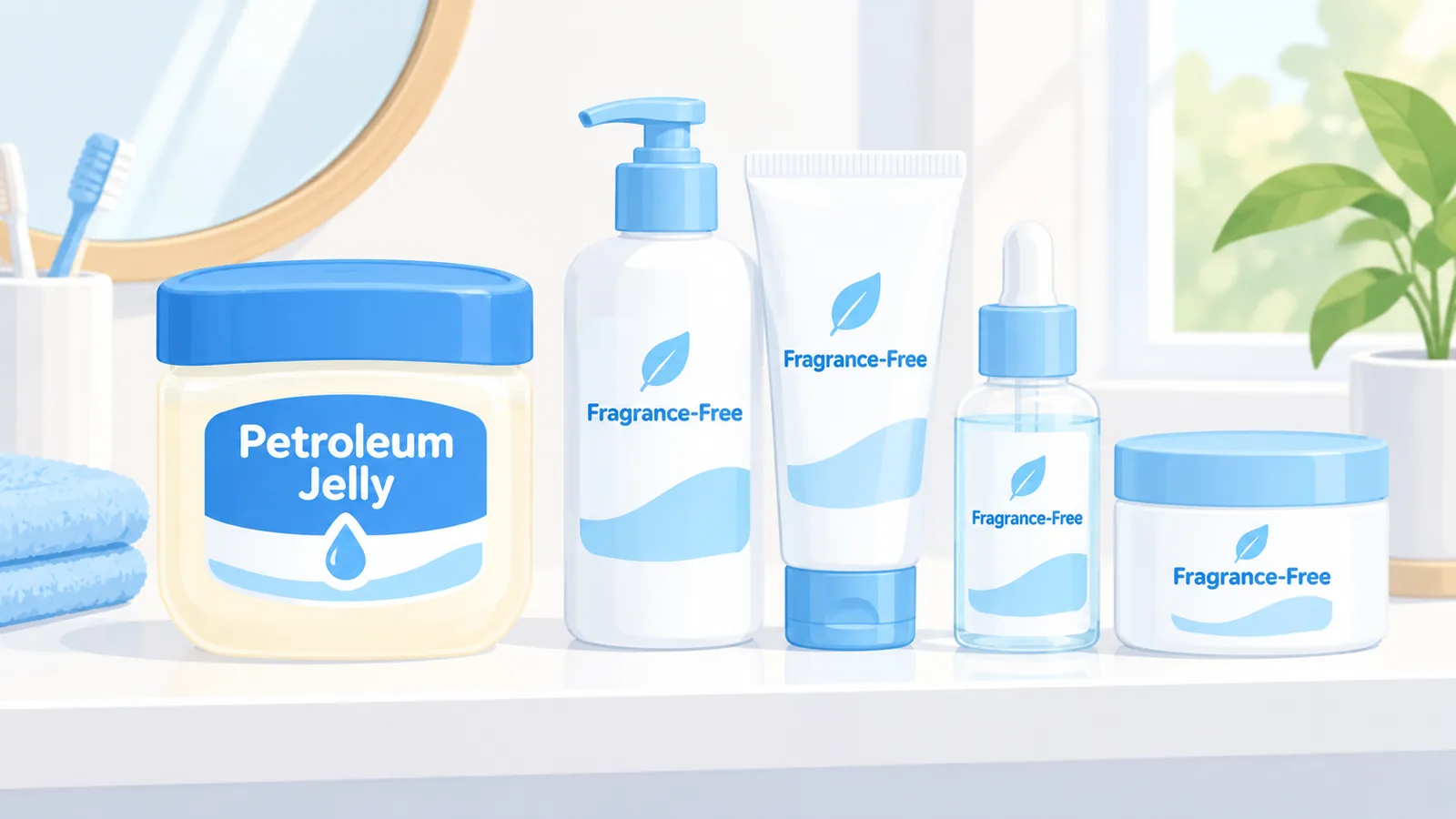
- Plain petrolatum (petroleum jelly): It keeps healing skin moist and protected and is well tolerated by many people. Treat it as skin protection, not as a proven way to fade scars.
- Onion extract gels: Study results are mixed, with some showing modest benefit and others none. Consider this a lower-evidence option, and patch test first because some formulas contain fragrance.
- Fragrance-free formulas: Whatever type you choose, fragrance-free products reduce the chance of irritation on sensitive or recently healed skin.
Vitamin E and cocoa butter are popular, but neither has solid evidence for improving scars, and vitamin E can cause contact dermatitis in some people.
Picks by Use Case
| Situation | Suggested Product Type | Key Check |
|---|---|---|
| C-section scar | Silicone gel or flat silicone sheet | Get approval from your surgeon or OB first; keep the area clean and dry |
| Knee, elbow, or joint scar | Silicone gel | Sheets may slip with movement |
| Facial scar | Fast-drying silicone gel, with sunscreen layered on top | Confirm products with your surgeon before use |
| Large or raised scar on a flat area | Silicone sheets | Follow the wear schedule on the label |
| Older scar | Silicone gel or sheets, with realistic expectations | Benefit is generally smaller than on new scars; ask a dermatologist about other options |
| Sensitive skin | Fragrance-free silicone gel or plain petrolatum | Patch test and stop if irritation develops |
| Child’s scar | Ask the pediatrician before using any product | Do not start a product without medical guidance |
Application Mistakes and Complementary Care
Common mistakes
- Starting too early. Applying products before the wound has fully closed can irritate it and delay healing.
- Stopping too soon. Scars mature over a year or longer. Quitting after a couple of weeks makes it hard to judge any product.
- Skipping sunscreen. Unprotected sun exposure can darken a healed scar and undo your effort.
- Switching products constantly. Frequent changes make it hard to tell what works and can irritate skin.
Complementary care
Gentle massage may help soften a scar, but the evidence is limited, so only try it once your surgeon says the scar is ready. If your scar becomes thick, raised, painful, itchy, or keeps growing, see a dermatologist. Options such as steroid injections or laser treatment are provided by professionals and are not something a cream can replace.
Ready to choose? Review silicone scar care options that fit your scar type and body area, and confirm your choice with your surgeon before you start. Prices vary by retailer.
Frequently Asked Questions
How long until I see results?
Plan on several weeks to a few months of consistent use before changes become noticeable, and follow the product label. Scars keep maturing for a year or longer.
Can I use scar cream on a fresh incision?
No. Wait until the incision is fully closed, with no scabs, open areas, or drainage, and your surgeon has approved.

Do old scars respond?
Silicone may help older scars somewhat, but the benefit is generally greater on newer scars. For old scars that are raised or bothersome, a dermatologist can discuss other treatments.
Is vitamin E or cocoa butter worth it?
Neither has solid evidence for improving scars, and vitamin E can cause an allergic skin reaction in some people. Silicone is the better-supported choice.
Are scar creams safe during pregnancy or breastfeeding?
Topical silicone is generally considered low risk, but formal safety data are limited. Ask your obstetrician or pharmacist before starting any product.

When should I see a doctor about a scar?
See a doctor if the area shows spreading redness, warmth, pus, or fever, or if the scar becomes thick, raised, painful, or keeps growing. These can signal infection or a hypertrophic scar or keloid that needs professional care.
Medical disclaimer: This article is for educational purposes only and is not a substitute for professional medical advice, diagnosis, or treatment. Talk to your surgeon or healthcare provider before using any scar product.
- American Academy of Dermatology Association, patient guidance on caring for scars and sun protection
- International clinical recommendations on scar management, including guidance on silicone gel and sheeting
- Systematic reviews of topical silicone and other products for preventing and treating scars
Want more comparisons and buying guides?
Citing this article
Source: Atovia (Atovia). https://atovia.kr