⚠️ This page connects you to Atovia’s partners and affiliate markets. We may receive a commission from affiliate partners for activities made through these links. Discount offers may change at any time according to policy! Rest assured, there are no additional costs to you! We hope this saves you time in finding the right items!
- What Does “Getting Omega-3 Naturally” Mean?
- ALA vs. EPA vs. DHA: The Three Types of Omega-3
- Best Natural Food Sources of Omega-3
- How to Get Omega-3 Without Eating Fish
- How Much Omega-3 Do You Need?
- Easy Ways to Add Omega-3 to Your Week
- Cooking and Storage Tips to Protect Omega-3
- Do You Need a Supplement?
- Common Mistakes to Avoid
- Frequently Asked Questions
- Final Takeaway and Your Next Step
You want more omega-3 in your diet, but maybe you don’t love fish, or you’re not sure where to start. The simple answer is to eat fatty fish about twice a week. If you skip fish, add walnuts, chia, flax, and an algae-based source.
This guide covers the types of omega-3, the best food sources, how much you need, and easy ways to work it into your week. It also explains when a supplement might make sense.
Key Takeaways
- Fatty fish twice a week is the most direct food route to EPA and DHA.
- Flax, chia, and walnuts supply ALA, which the body converts to EPA and DHA only in small amounts.
- Algae oil or algae-based foods are the plant route to DHA and EPA.
- Check serving sizes and labels, since amounts vary widely.
What Does “Getting Omega-3 Naturally” Mean?
It means getting omega-3 fats from whole foods instead of pills or capsules. Fish, seeds, nuts, and some oils are the main sources.
Food has a built-in advantage. Salmon also gives you protein, vitamin D, and selenium, and walnuts bring fiber and minerals along with their fat.
Is food enough for most people?
For many people, yes, if the menu includes fatty fish or a reliable plant and algae plan. The catch is consistency. Eating salmon once a month won’t move the needle, so the goal is a weekly habit.
ALA vs. EPA vs. DHA: The Three Types of Omega-3
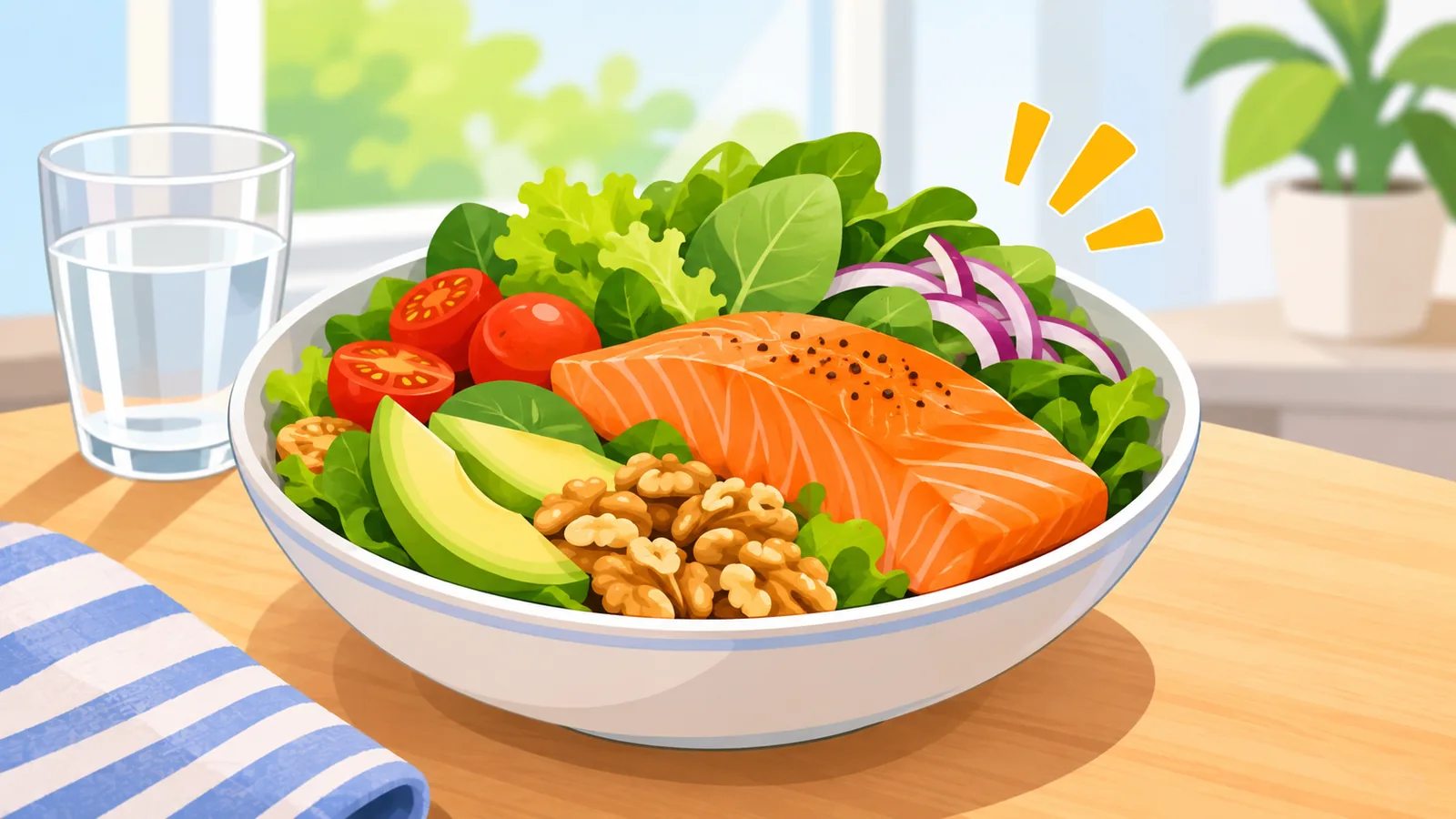
ALA comes from plants, while EPA and DHA come mostly from fish and algae. All three are omega-3 fats, but they behave differently in the body.
ALA is an essential fat, meaning you must get it from food. EPA and DHA are the long-chain forms most often linked with heart and brain health in research.
Here’s the catch. Your body can convert some ALA into EPA and DHA, but the share is small. The National Institutes of Health notes that this conversion is limited, so ALA alone is not a perfect stand-in for fish.
Which type matters most for you?
If you eat fish regularly, you’re already covering EPA and DHA. If you don’t, ALA foods still count toward your needs, but you’ll want an algae-based source too.
Best Natural Food Sources of Omega-3
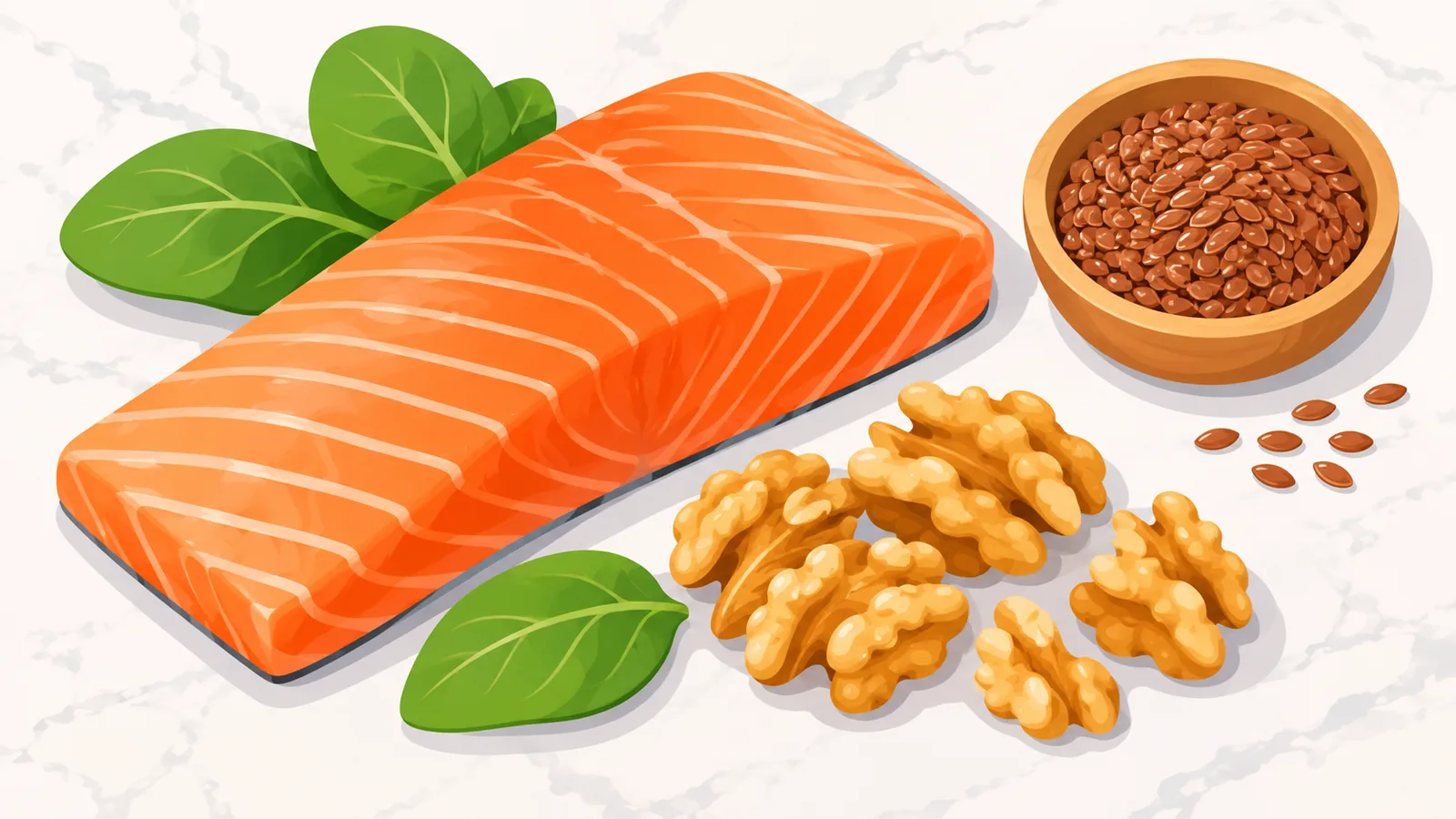
Fatty fish are the richest everyday sources, and a few plant foods are the best backups. Fortified foods can fill smaller gaps.
Fatty fish and seafood
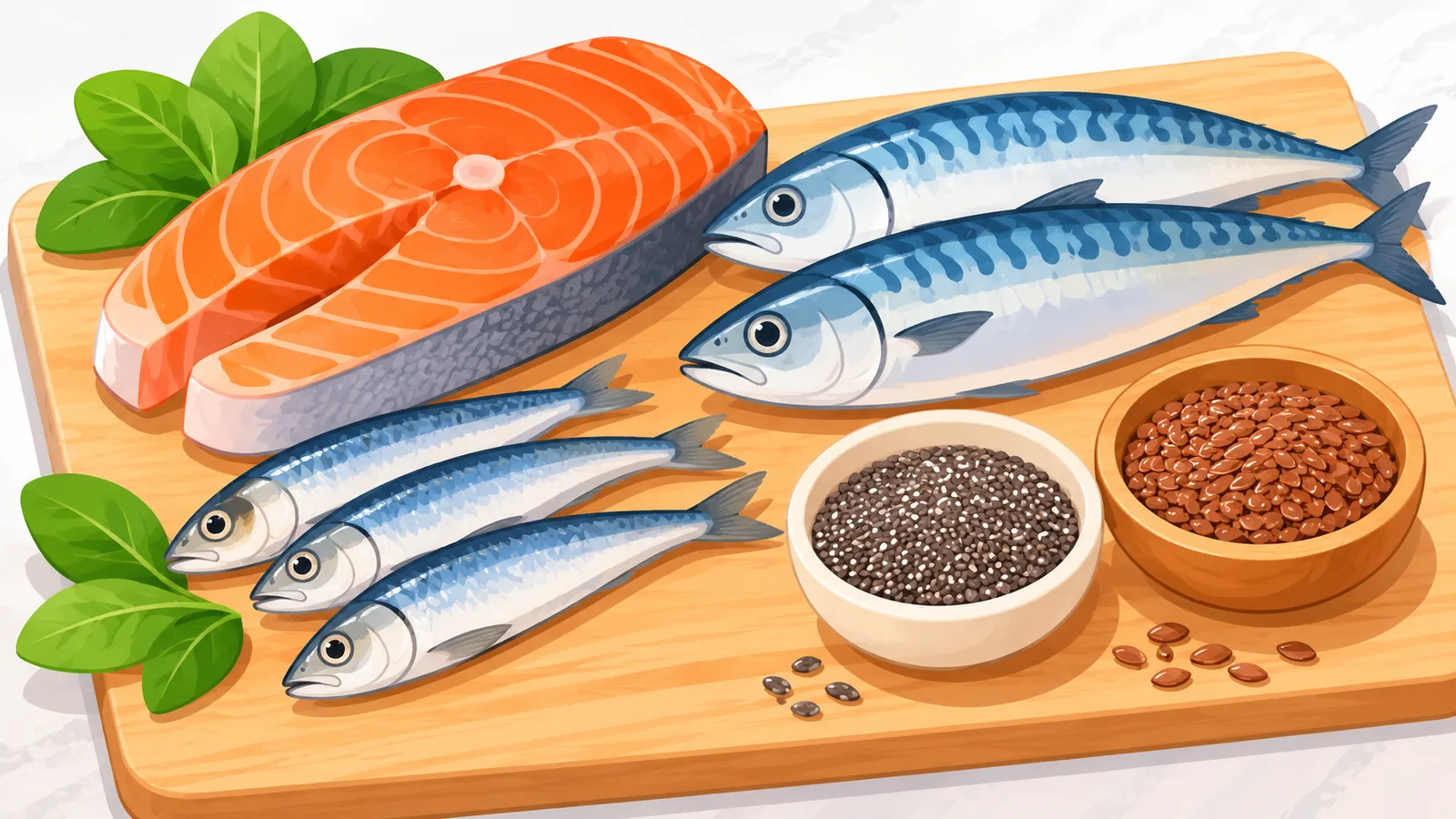
Salmon, mackerel, sardines, herring, and anchovies lead the list. Oysters also contribute, though in smaller amounts per serving. Canned versions work well and cost less.
Plant sources
Flaxseed, chia seeds, hemp seeds, walnuts, canola oil, and soy products provide ALA. Flaxseed oil is the most concentrated, but whole seeds and nuts also bring fiber.
Fortified foods
Some eggs, milks, yogurts, and juices are fortified with DHA, often from algae. Amounts differ a lot, so check the Nutrition Facts panel.
| Food | Serving | Approx. omega-3 | Main type | Easy way to eat it |
|---|---|---|---|---|
| Farmed Atlantic salmon, cooked | 3 oz | About 1.8 g | EPA + DHA | Baked fillet over rice |
| Atlantic mackerel, cooked | 3 oz | About 1.0 g | EPA + DHA | Pan-seared with lemon |
| Sardines, canned in oil | 3 oz | About 1.2 g | EPA + DHA | On whole-grain toast |
| Flaxseed oil | 1 tbsp | About 7 g | ALA | Drizzled on cold dishes |
| Chia seeds | 1 oz | About 5 g | ALA | Chia pudding |
| Walnuts | 1 oz | About 2.5 g | ALA | Salad topper or snack |
| Canola oil | 1 tbsp | About 1.3 g | ALA | Light sautéing or baking |
Figures are approximate and vary by source, species, and preparation. Check USDA FoodData Central and the NIH fact sheet for exact values.
How to Get Omega-3 Without Eating Fish
You can cover ALA easily with plants, but DHA and EPA need algae or fortified foods. That’s the part many plant-based eaters miss.
Start with small daily habits:
- Stir a tablespoon of ground flax into oatmeal or yogurt.
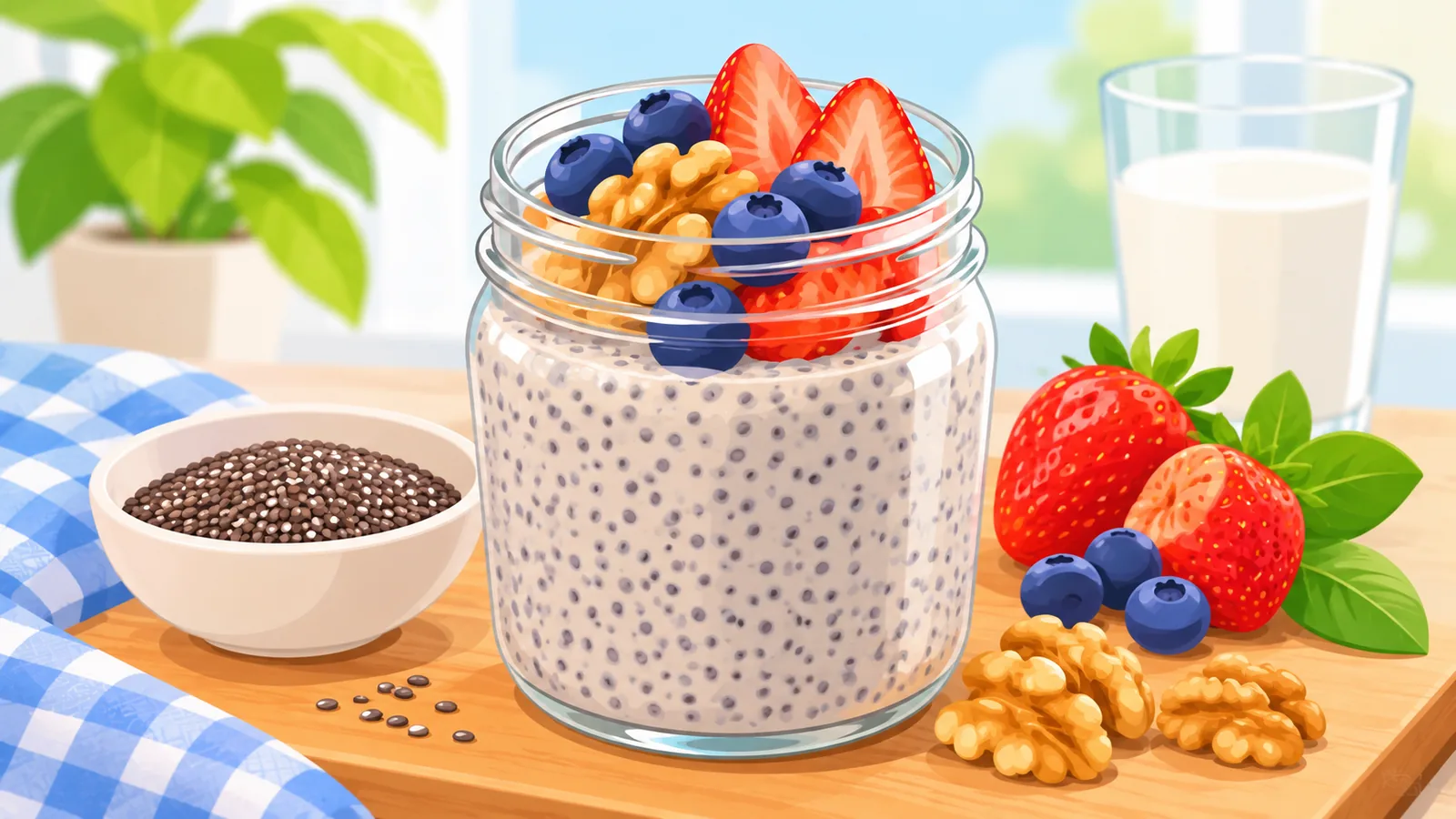
- Make chia pudding the night before.
- Keep a handful of walnuts for snacks.
- Use canola or soybean oil for everyday cooking.
For DHA and EPA, look for algae oil or algae-based foods. On the label, check that the product lists DHA or EPA amounts, not just “omega-3” in general.

Is this enough for vegetarians and vegans?
Plants alone can meet ALA needs. DHA and EPA are harder, so many vegetarians and vegans add an algae-based source. If you’re pregnant or planning to be, ask your doctor about it.
How Much Omega-3 Do You Need?
Most guidance points to about two servings of fatty fish per week, or the adequate intake of ALA if you rely on plants. There’s no single number that fits everyone.
For ALA, the National Institutes of Health lists an adequate intake of 1.6 g per day for adult men and 1.1 g for adult women. It’s 1.4 g during pregnancy and 1.3 g while breastfeeding. A tablespoon of ground flax or an ounce of walnuts gets you close.
🛒 Recommended Product
For fish, the American Heart Association recommends two servings a week, about 3.5 ounces each, cooked. Dietary Guidelines for Americans suggest a similar pattern of seafood.
So who needs to pay extra attention? People who are pregnant, vegetarians, and people with heart disease are good examples. Talk to a doctor or registered dietitian for personal advice.
Easy Ways to Add Omega-3 to Your Week
Small swaps work better than a big diet overhaul. Pick one or two and repeat them.
- Mash canned sardines on toast with lemon.
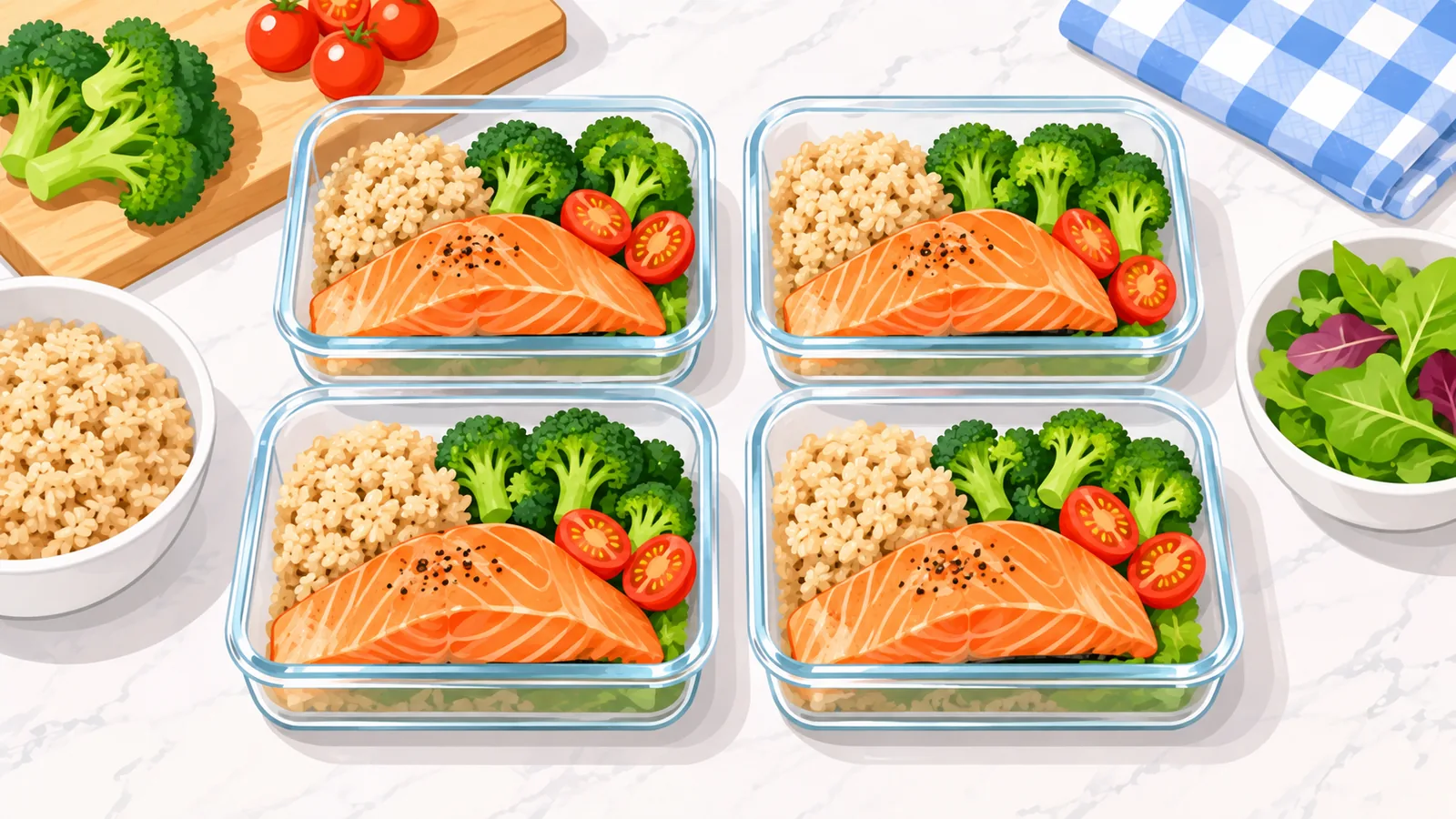
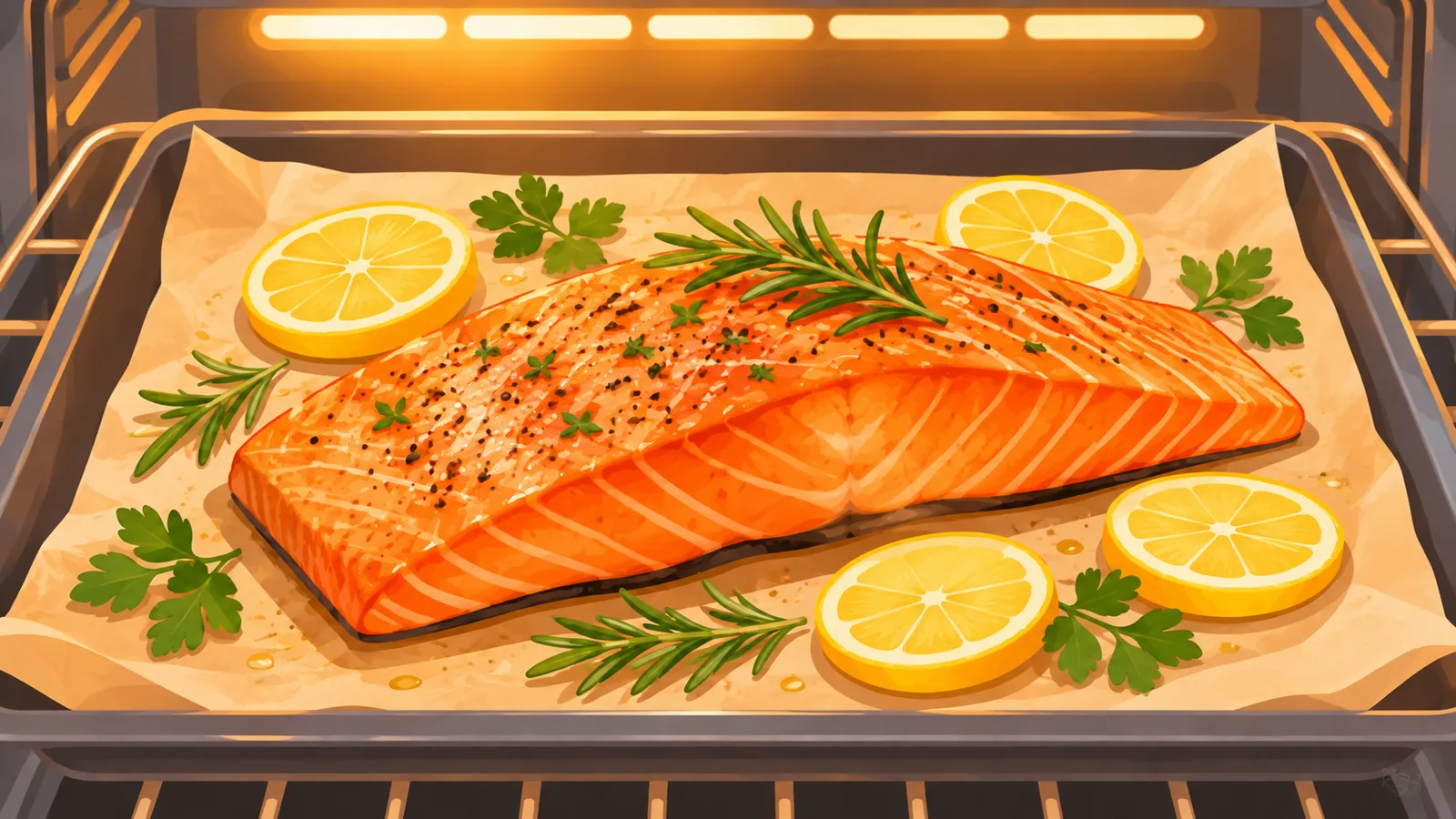
- Build a salmon rice bowl with greens.
- Top salads with chopped walnuts.
- Stir chia seeds into jam or yogurt.
- Blend a spoonful of ground flax into a smoothie.
A simple week might look like this. Salmon on Tuesday, sardine toast on Friday, and oatmeal with flax and walnuts on most mornings. That alone covers fish twice and ALA daily.
Cooking and Storage Tips to Protect Omega-3
Gentle cooking and cool, dark storage help keep omega-3 fats from breaking down. These fats are delicate.
Baking, poaching, and steaming are better choices than deep frying. Store ground flax and walnuts in the fridge or freezer, and keep flaxseed oil refrigerated in a dark bottle.

On mercury and sustainability, salmon, sardines, and anchovies are generally lower-mercury choices. If you’re pregnant, FDA guidance suggests choosing low-mercury fish and avoiding high-mercury ones such as shark, swordfish, king mackerel, and tilefish.
Do You Need a Supplement?
Many people can meet their needs with food, but supplements make sense in some cases. Examples include no fish, no algae foods, or a doctor’s recommendation.
If you shop for one, check the label for the EPA and DHA amounts per serving, not just the total fish oil. Look for third-party testing seals, too.
One safety note. Talk to a doctor before taking high doses, especially if you take blood-thinning medication.
Common Mistakes to Avoid
The most common mistake is assuming plant omega-3 fully replaces fish. Here are the others to watch for.
- Counting flax or chia as a full replacement for fish.
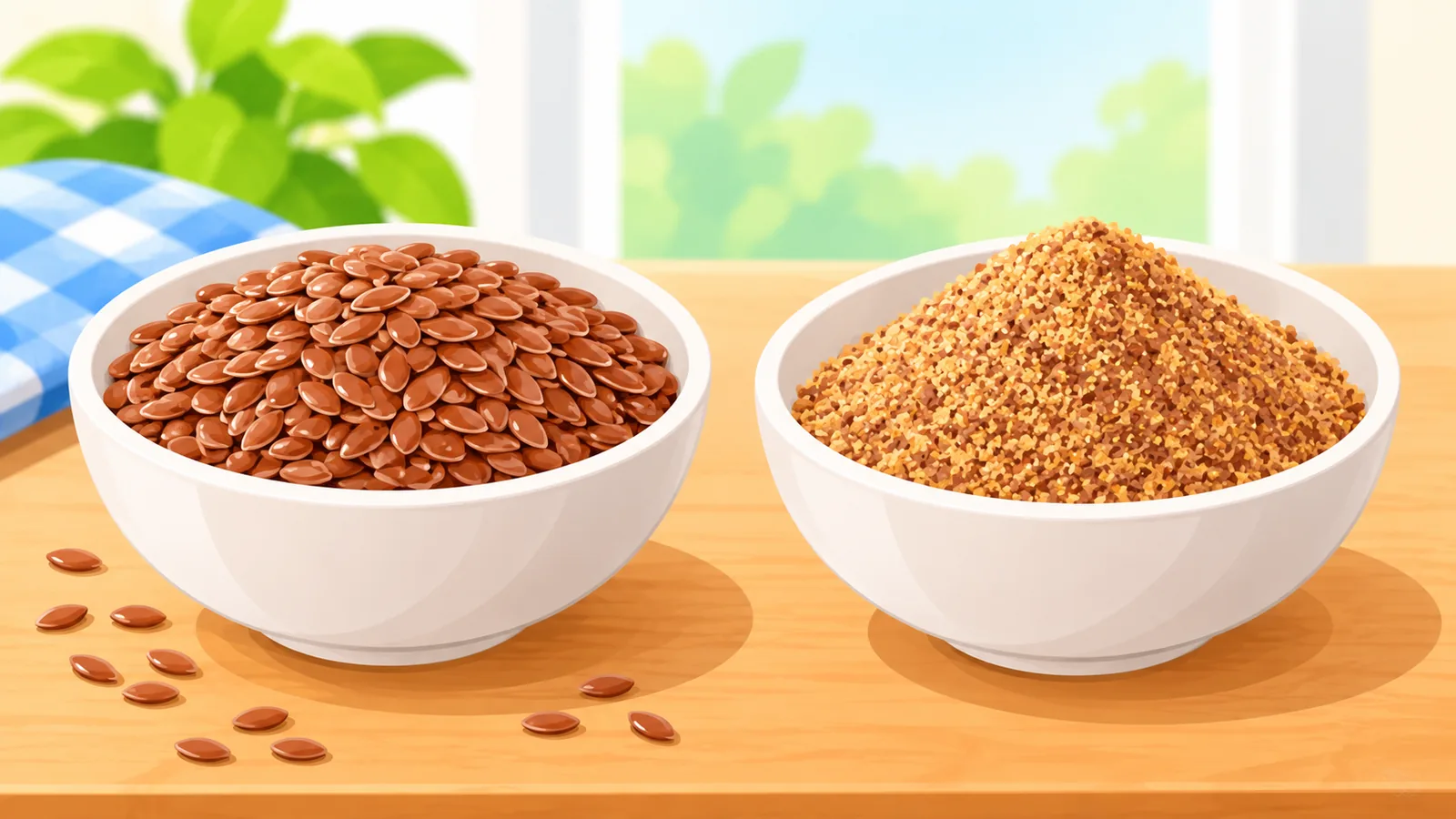
- Eating whole flaxseed, which often passes through undigested. Grind it first.
- Trusting fortified foods without reading the label.
- Frying fish at high heat.

Frequently Asked Questions
Can I get enough omega-3 from plants alone?
You can meet ALA needs from plants. EPA and DHA are limited, so an algae-based source is a smart addition.
How often should I eat fish for omega-3?
About twice a week is the common guideline, with fatty fish like salmon, sardines, or mackerel.
Is canned fish as good as fresh?
Often, yes. Canned salmon and sardines keep their omega-3 and are budget-friendly. Check sodium if that’s a concern.
Do eggs and fortified milk really help?
They can add a modest amount of DHA, but it varies by brand. Treat them as a supplement to your main sources.
Are omega-3 supplements better than food?
Not necessarily. Food brings other nutrients, while supplements are useful when diet falls short. Ask your doctor if you’re unsure.
Final Takeaway and Your Next Step
In short, fatty fish twice a week is the simplest food route. Plant foods add ALA, and algae fill the DHA and EPA gap if you skip fish.
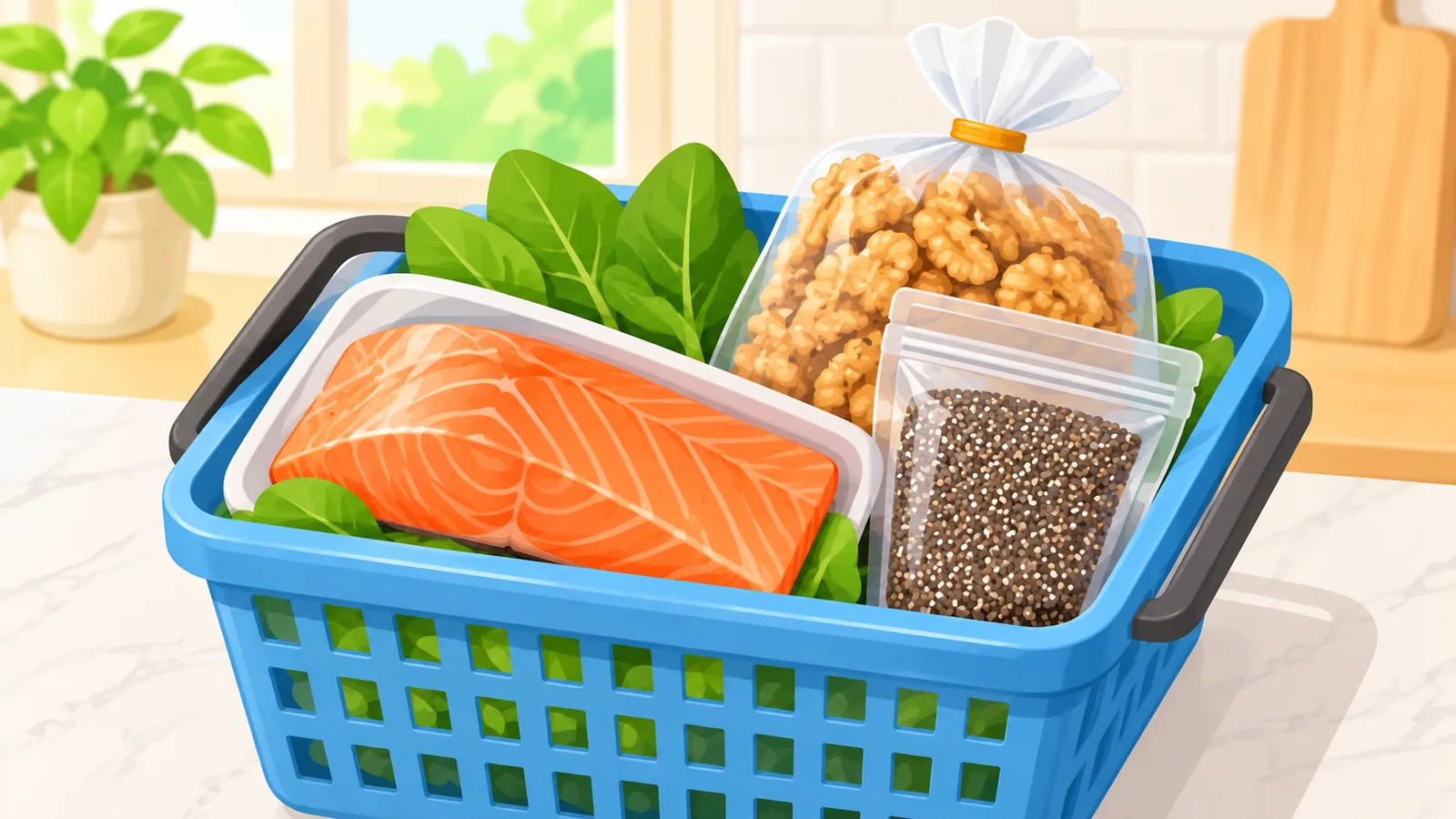
Your step for today: add one omega-3 food, such as salmon, sardines, walnuts, or chia seeds, to your next grocery list.
Found this helpful? Save the food list or share it with someone who’s trying to eat more omega-3.
References
- National Institutes of Health, Office of Dietary Supplements: Omega-3 Fatty Acids fact sheet
- American Heart Association: Fish and Omega-3 Fatty Acids
- Harvard T.H. Chan School of Public Health: The Nutrition Source, Omega-3 Fatty Acids
- USDA FoodData Central
- Dietary Guidelines for Americans
- U.S. FDA and EPA: Advice About Eating Fish
Try Atovia’s free tool for this topic →
Want more comparisons and buying guides?
Citing this article
Source: Atovia (Atovia). https://atovia.kr
This article was written by Atovia with the help of AI tools. If you spot an error, please let us know via Contact and we will review and fix it.
Health, money and legal content here is general information and is not a substitute for advice from a qualified professional.