
⚠️ This page connects you to Atovia’s partners and affiliate markets. We may receive a commission from affiliate partners for activities made through these links. Discount offers may change at any time according to policy! Rest assured, there are no additional costs to you! We hope this saves you time in finding the right items!
- Why Weight Loss Feels Harder After 50
- The Best Diet Approach for Women Over 50
- Diet Styles Compared
- A Simple One-Day Eating Template
- Your Shopping List: Grocery Staples
- Helpful Tools and Products Worth Buying
- Don’t Waste Money on Fast-Fix Products
- Add Strength Training and Daily Movement
- A 7-Day Starter Plan
- Mistakes to Avoid
- When to Talk to Your Doctor First
- FAQ
If the habits that worked at 35 have stopped working, you are not imagining it. This guide gives you a realistic eating plan for life after menopause, a pace worth aiming for, and a shopping list so the plan is easy to follow.
As an Amazon Associate I earn from qualifying purchases.
🛒 Recommended Product
Key takeaways
- A safe, lasting pace is about 1 to 2 pounds per week.
- Put protein at every meal and build plates around vegetables and fiber.
- Pair your eating plan with strength training to protect muscle and bone.
- Check with your doctor before major changes, especially if you take medication.
Why Weight Loss Feels Harder After 50
Hormone shifts, muscle loss, and a slower metabolism change the rules, but steady weight loss is still very possible. The trick is working with your body now instead of repeating what worked years ago.
What actually changes during menopause
Estrogen drops, and fat often shifts toward the middle of the body. At the same time, adults naturally lose some muscle with age, which can lower how much energy your body burns at rest.
Sleep and stress can also get bumpier during this stage. Both can make hunger harder to manage, so they belong in the plan too.
What “fast” should mean
For most people, a safe pace is about 1 to 2 pounds per week. The CDC describes this gradual rate as the one most likely to last.

So “fast” here means steady and sustainable. Quicker loss tends to cost muscle and is harder to keep off.
The Best Diet Approach for Women Over 50
The best approach is a high-protein, fiber-rich, whole-food pattern with a modest calorie deficit. It protects muscle, keeps you full, and is easy to repeat.
Why protein comes first
Protein helps preserve muscle while you lose fat. Several expert groups suggest roughly 1.0 to 1.2 grams per kilogram of body weight for older adults, and some suggest more during weight loss. Your doctor or a registered dietitian can set the right number for you, especially if you have kidney concerns.
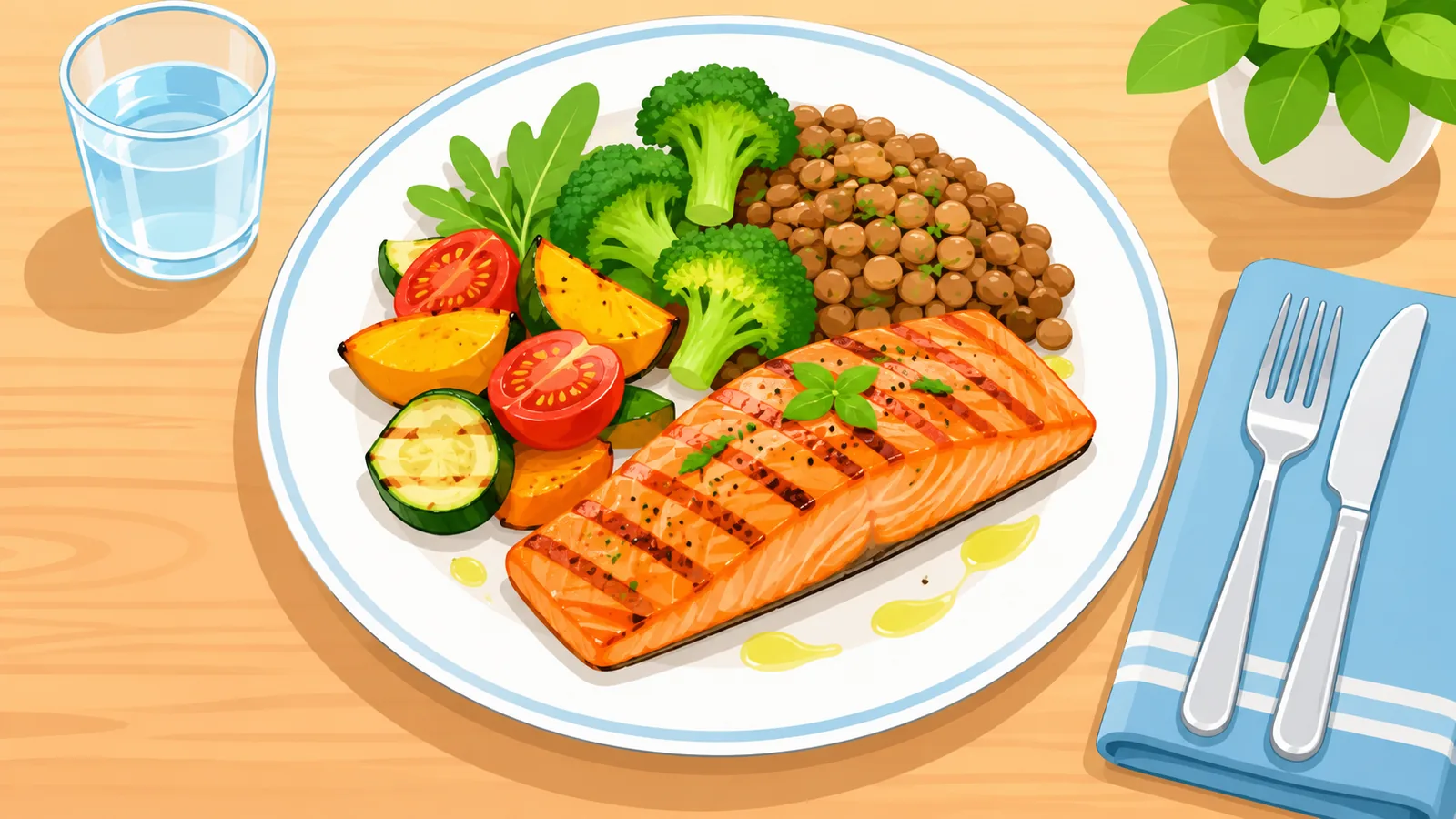
A practical move is to anchor each meal on a protein source first, then build the rest of the plate around it.
Fiber, vegetables, and healthy fats
Vegetables, fruit, beans, and whole grains add volume and fiber, so meals feel bigger for fewer calories. Healthy fats like olive oil, nuts, and avocado add satisfaction, though they are calorie-dense, so portions matter.
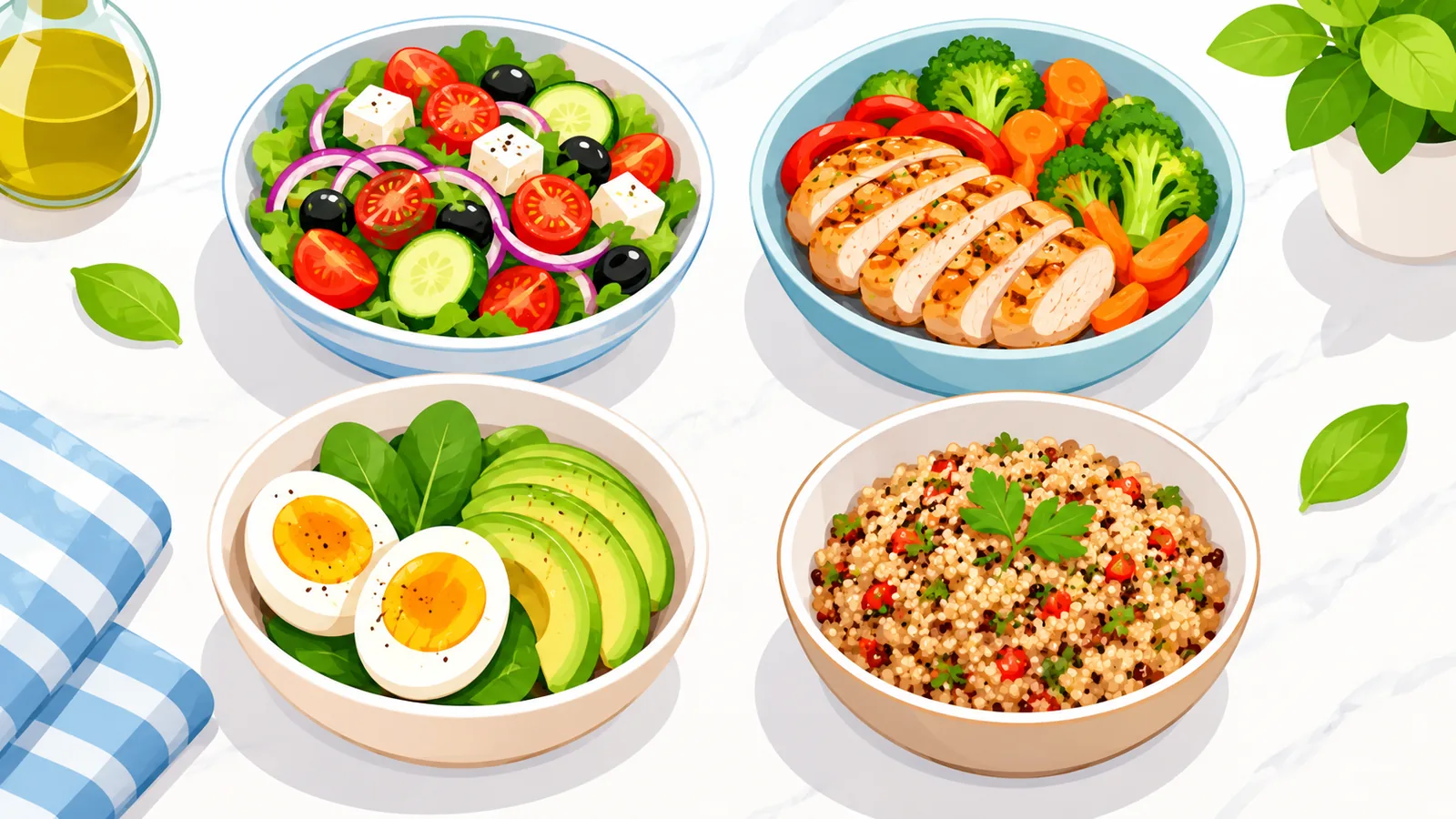
Think of it as a plate with a lot of color and a clear protein, not a list of foods to avoid.
Why crash diets backfire
Cutting hard makes it more likely that you lose muscle along with fat. The CDC’s evidence also points to quick loss being harder to maintain. If a plan leaves you exhausted and thinking about food all day, it is too aggressive.
Diet Styles Compared
No single named diet wins for everyone, but a Mediterranean-style or high-protein, moderate-carb pattern fits most women over 50. The table below is general guidance, not a ranking from a single study.
| Style | Fit for women over 50 | Muscle protection | Ease of sticking to it | Watch-outs |
|---|---|---|---|---|
| Mediterranean-style | Strong | Good with enough protein | Easy, flexible | Portions still count |
| High-protein, moderate-carb | Strong | Best, paired with lifting | Moderate | Check kidney health first |
| Intermittent fasting | Mixed | Depends on protein | Varies by person | Hard to fit enough protein in a short window |
| Low-carb or keto | Possible | Mixed | Hard long term | Fiber and nutrient gaps |
In short, pick the style you can still enjoy in six months. Fasting windows are fine if they help you eat less, but they are one tool, not a shortcut.
A Simple One-Day Eating Template
Build every meal on protein, produce, and fiber, and you do not need to count anything to start. Use your hand for portions.
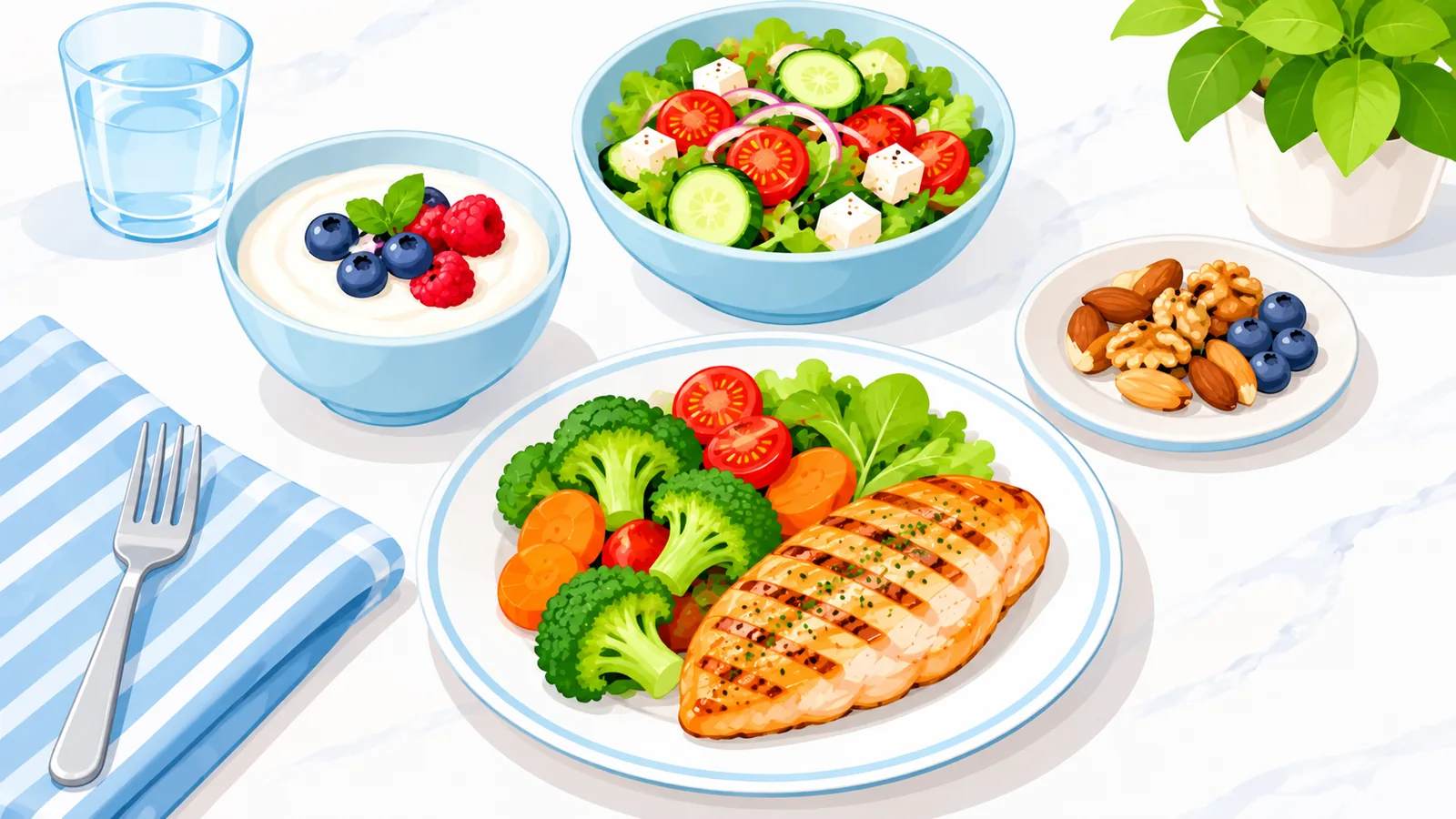
- Breakfast: Greek yogurt or eggs, plus berries or sliced fruit.
- Lunch: A palm-sized serving of chicken, fish, or tofu over a big salad, with a fist of beans or whole grains.
- Snack: A piece of fruit with a thumb of nut butter, or cottage cheese.
- Dinner: A palm of lean protein, two fists of cooked vegetables, and a fist of potatoes or whole grains.
- Evening snack (optional): A small protein-rich option such as skyr or edamame.
A palm of protein is a handy starting point, and you can adjust it as your appetite and results tell you more. If you want exact calorie targets, a registered dietitian can set them for you.
Your Shopping List: Grocery Staples
A short list of staples covers most of the plan. Here is what to put in the cart and what to check on the label.
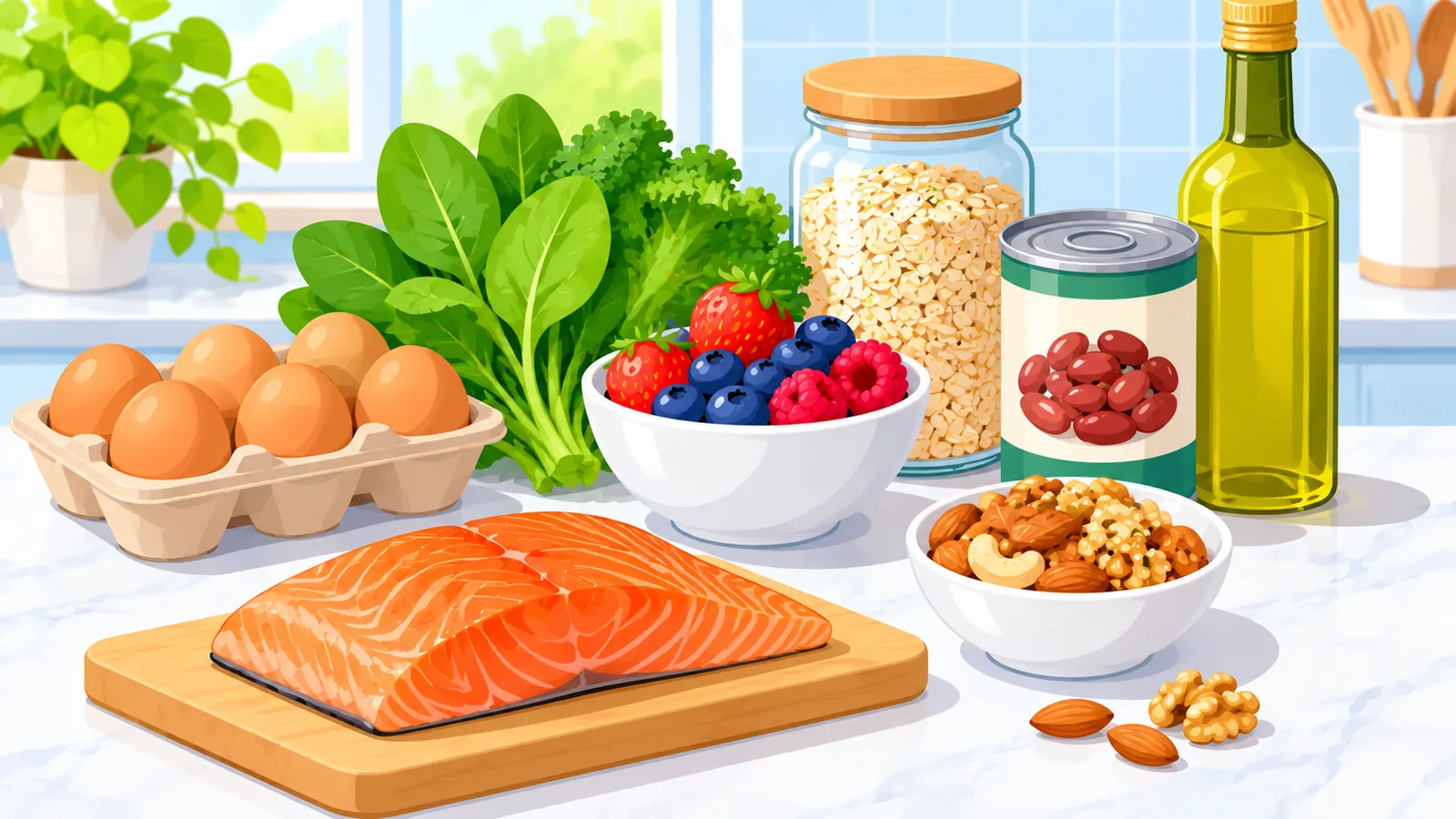
- Lean proteins: Eggs, poultry, fish, tofu, Greek yogurt. Check for added sugar in flavored yogurt.
- High-fiber produce: Leafy greens, broccoli, berries, apples. Frozen counts and keeps longer.
- Whole grains and legumes: Oats, brown rice, lentils, canned beans. Look for whole grain as the first ingredient, and rinse canned beans to cut sodium.
- Calcium and vitamin D foods: Dairy or fortified alternatives, canned salmon with bones. Look for “fortified” on the label.
- Healthy fats: Olive oil, nuts, seeds, avocado. Portions matter, since these are calorie-dense.
Helpful Tools and Products Worth Buying
A few inexpensive tools make the plan easier, and none of them is required. Choose by how you will actually use them.

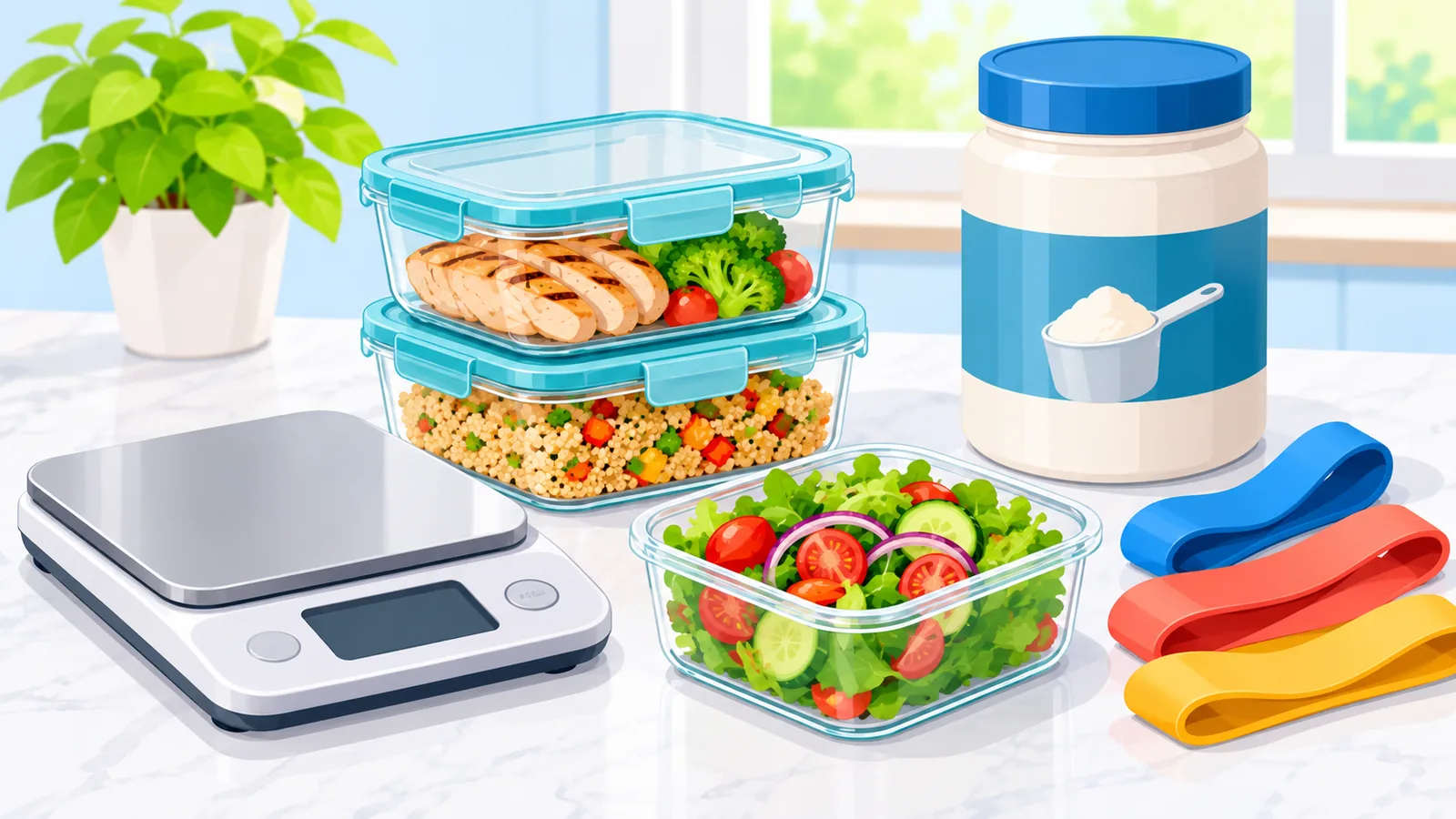
- Digital food scale: Useful for a week or two to learn real portions. Look for a tare button and a clear display.
- Meal prep containers: Glass or sturdy plastic with tight lids, in a size that fits one meal. Check that they are microwave-safe.
- Protein powder: Handy when you fall short at breakfast. Compare protein per serving, added sugar, and whether a third party tests it. Trials suggest it is a convenience, not a magic fix.
- Resistance bands or light dumbbells: Good for home workouts. Bands with several tension levels let you progress.
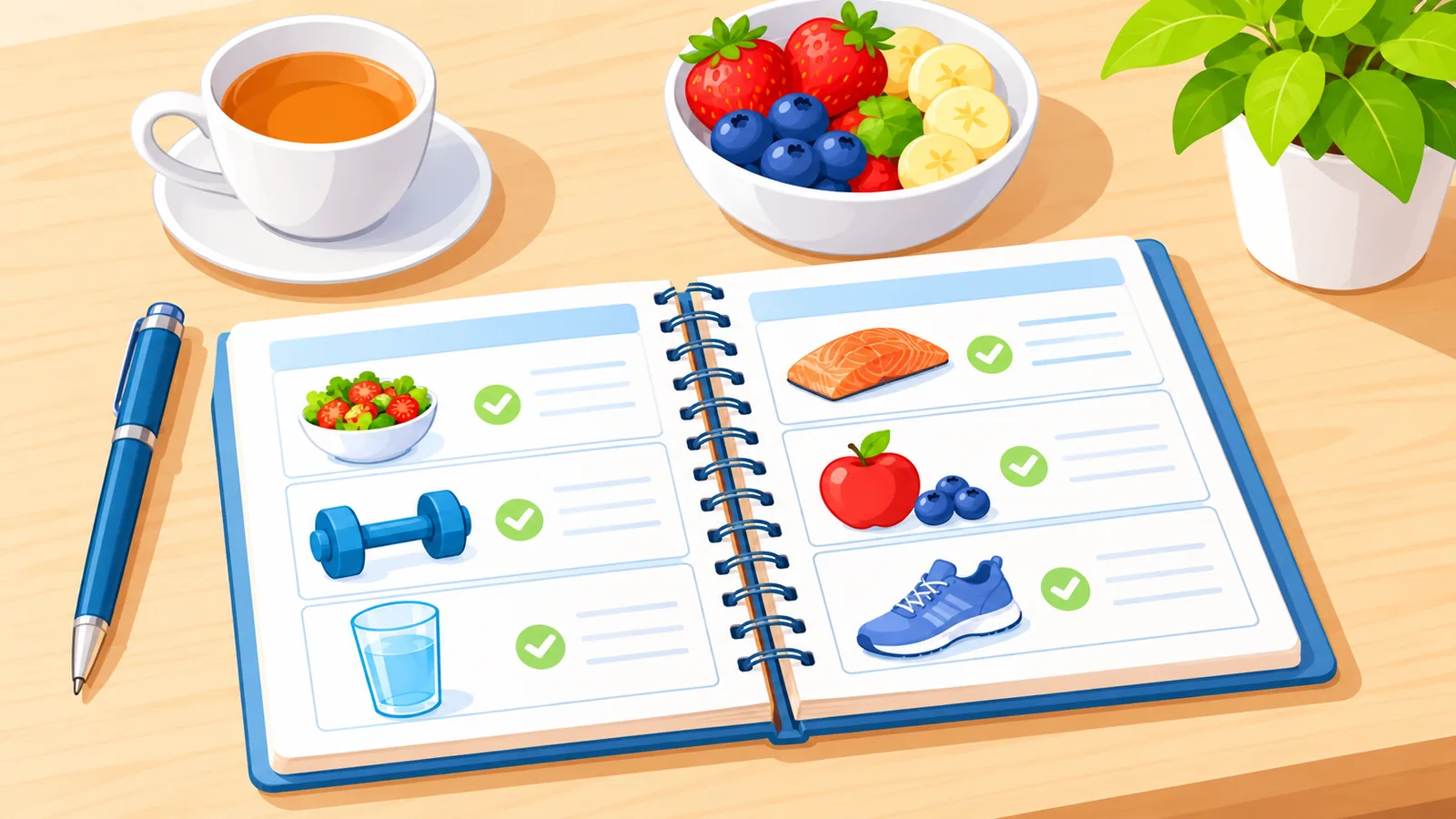
- Food tracking app: Helpful for a few weeks to see your protein pattern. Pick one that is simple enough that you will use it.
Don’t Waste Money on Fast-Fix Products
Skip detox teas, fat burner pills, and extreme meal replacement plans. They promise speed, but they do not build the habits that keep weight off.
🛒 Recommended Product
Many of these products are unregulated for weight claims, and some can interact with medication. If you are tempted by anything with a drug-like effect, talk to your doctor or pharmacist first.
Add Strength Training and Daily Movement
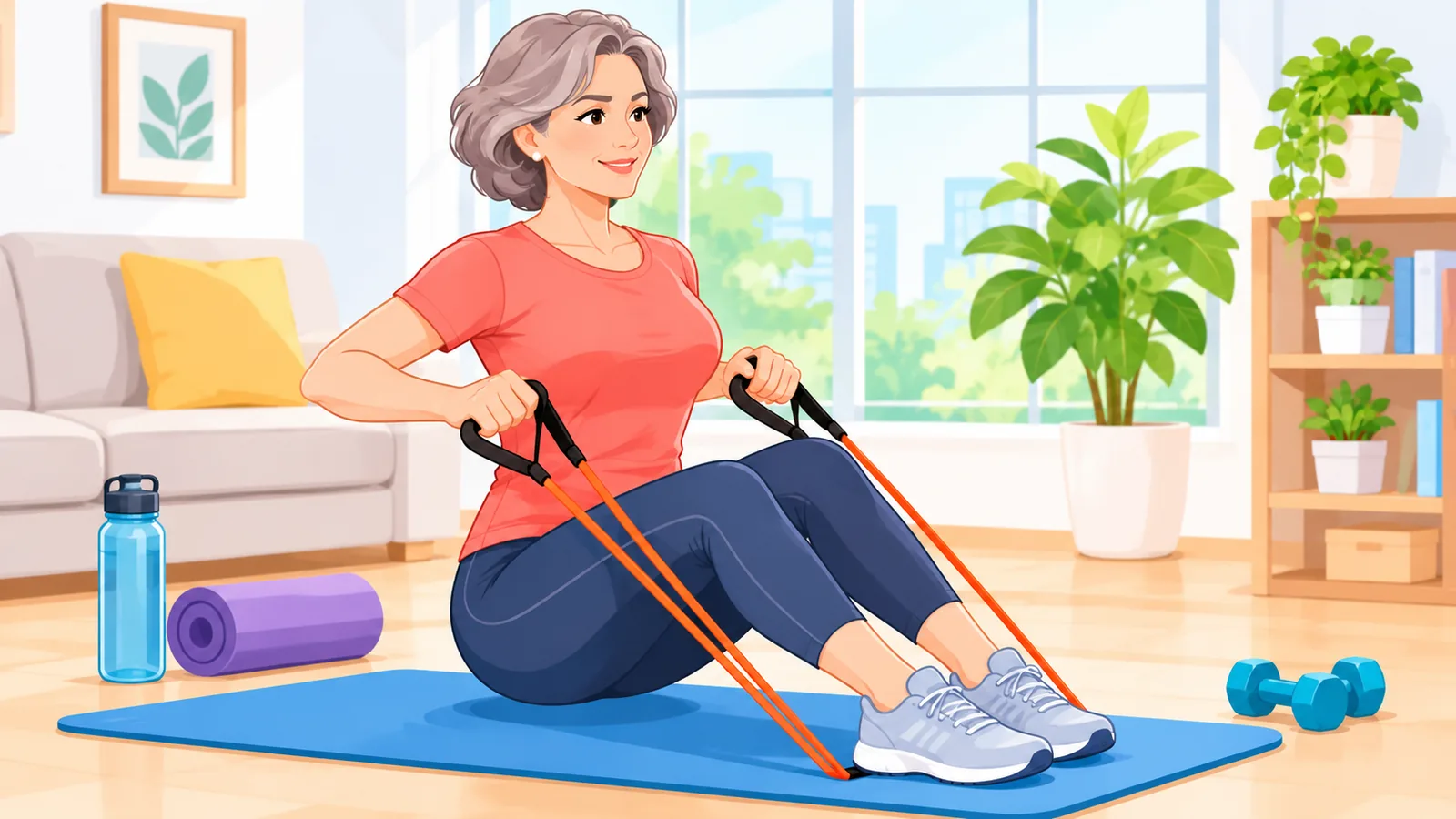
Resistance training helps protect muscle and bone, which matter most after menopause. It is the best partner for any diet.
A beginner weekly routine
National guidelines for adults, which also apply to older adults, call for at least 150 minutes of moderate aerobic activity a week, such as brisk walking. They also call for muscle-strengthening activity on 2 or more days a week. A CDC resource suggests 8 to 12 repetitions of an exercise as one set, taken to the point where another rep is hard.
- 2 to 3 days: a full-body routine with bands or light weights (squats, rows, presses).
- Most other days: a 20 to 30 minute walk.
- Increase weight or reps slowly over several weeks.
A 7-Day Starter Plan
Spend your first week on setup, not perfection. Six small steps get you moving.
- Set your pace: aim for 1 to 2 pounds a week at most, and write down your reason.
- Clear the pantry of the foods you tend to overeat.
- Shop from the list in section 5.
- Prep two or three proteins and a tray of vegetables.
- Move: schedule two strength sessions and a few walks.
- Track protein and how you feel for the week, then adjust.
Mistakes to Avoid
Most stalls come from a handful of repeat mistakes. Here are the common ones.
- Cutting calories too low, which costs muscle and energy.
- Skipping protein at breakfast and catching up at night.
- Drinking calories through sweet coffee drinks, juice, or alcohol.
- Ignoring sleep and stress, which can make hunger harder to manage.
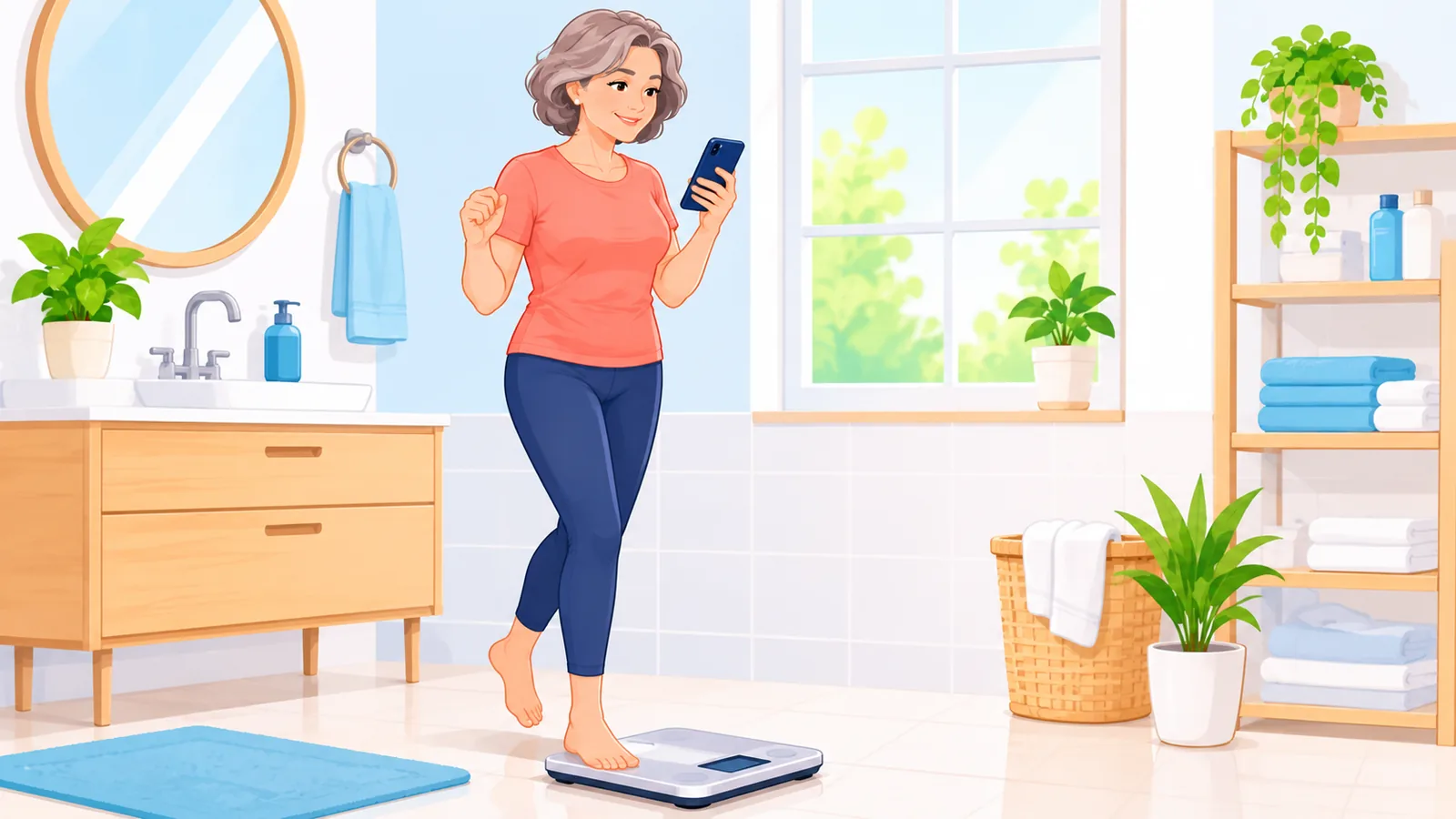
- Expecting a straight line down. Weekly weight bounces around, so judge by the month.
When to Talk to Your Doctor First
Check in before you start if you take regular medication or have a health condition. A short visit now avoids problems later.

Bring it up if you have diabetes, thyroid disease, heart disease, or kidney problems, or if you take blood pressure or blood sugar medicine. Diet changes can alter how those medicines work. A registered dietitian can then turn the general plan above into numbers that fit you.
FAQ
How fast can a woman over 50 lose weight safely?
The CDC points to about 1 to 2 pounds a week as a gradual, steady pace that tends to last. Some weeks will be slower, and that is normal.
Does intermittent fasting work after menopause?
It can help some women eat less, but it is not clearly better than other ways of cutting calories. If you try it, make sure you still get enough protein, and check with your doctor if you take medication.

How much protein do I need?
Several expert groups suggest about 1.0 to 1.2 grams per kilogram of body weight for older adults, and some suggest more during weight loss. Your doctor can confirm what is right for you, especially if you have kidney concerns.
Why is belly fat harder to lose now?
Hormone changes after menopause often shift fat toward the middle. Strength training, sleep, and a steady deficit help, but you cannot choose where fat comes off.
Do I need supplements?
Food comes first. Ask your doctor whether calcium or vitamin D makes sense for you, and have them guide any dose.
Your next step today: write a one-week grocery list from section 5, then pick one tool from section 6 to buy first.
Sources
- CDC: Steps for Losing Weight
- UTMB Health: How Much Protein Do You Really Need Each Day
- NIH/PMC: Whey protein supplementation during weight loss in postmenopausal women
- Obesity Facts: Protein intake during weight loss in postmenopausal women
- Physical Activity Guidelines for Americans (2018) summary table
- CDC: What Counts as Physical Activity for Older Adults
This article is general information, not medical advice.
Try Atovia’s free tool for this topic →
Want more comparisons and buying guides?
Citing this article
Source: Atovia (Atovia). https://atovia.kr
This article was written by Atovia with the help of AI tools. If you spot an error, please let us know via Contact and we will review and fix it.
Health, money and legal content here is general information and is not a substitute for advice from a qualified professional.