
⚠️ This page connects you to Atovia’s partners and affiliate markets. We may receive a commission from affiliate partners for activities made through these links. Discount offers may change at any time according to policy! Rest assured, there are no additional costs to you! We hope this saves you time in finding the right items!
There is no single exercise that melts fat off the belly and only the belly. That is not bad news. It means the real question is not “which move works” but “which combination fits your week, your body, and your patience.” If you have tried crunches for months with nothing to show for it, you are not doing them wrong. You are just asking one exercise to do a job that needs several. By the end of this guide you will know which cardio, strength, and core options actually move the needle, and how to combine them into a routine you can keep up with.
As an Amazon Associate I earn from qualifying purchases.
🛒 Recommended Product
Does Any Exercise Really Target Belly Fat?
No single exercise burns fat from one specific spot on the body. This is often called the “spot reduction myth“: fat loss happens across the whole body as a result of an overall calorie deficit, not because you worked one muscle group harder than another.
Ab-focused routines can still shrink your waistline over time, but that happens because the workout burns calories and supports an overall deficit, not because crunches “target” belly fat specifically. Genetics also plays a role in where your body loses fat first, and that order is different for everyone.
This is why the exercises that help most with belly fat are the same ones that help with fat loss anywhere: activities that burn meaningful calories and that you can repeat consistently.
- No exercise burns fat from one spot only; overall calorie deficit drives fat loss
- WHO and CDC both recommend adults get at least 150 minutes of moderate aerobic activity weekly, plus muscle-strengthening activity
- Consistency over months matters more than the intensity of any single workout
- Results differ from person to person based on genetics, starting point, and diet
What Is the Best Cardio for Belly Fat?
Brisk walking, cycling, swimming, and interval training are the most accessible cardio options for supporting belly fat loss. Each burns calories at a different rate and fits a different kind of schedule.
Walking requires no equipment and is easy to sustain daily, though it takes longer to reach the same calorie burn as higher-intensity options. Running and cycling burn more calories per minute but ask more of your joints and recovery time. Interval training, alternating short bursts of hard effort with rest, packs a higher-intensity workout into a shorter session, which suits people with limited time.

According to CDC, “Physical Activity Guidelines for Adults Fact Sheet,” 2008, https://www.cdc.gov/physicalactivity/downloads/PA_Fact_Sheet_Adults.pdf, adults benefit from at least 150 minutes of moderate-intensity aerobic activity per week, or 75 minutes of vigorous activity, or an equivalent mix of both.
There is no single “best” cardio type for belly fat specifically. The best cardio is the one you will actually do several times a week for months.
Does Strength Training Help Reduce Belly Fat?
Yes, strength training supports belly fat loss by adding to your total weekly calorie burn and by helping preserve muscle while you lose weight. Muscle plays a role in how your body uses energy day to day, though the exact effect varies by person.
Full-body strength routines, using free weights, resistance bands, or bodyweight moves like squats and push-ups, tend to work better for fat loss than routines that isolate just the abdominal muscles. Working larger muscle groups burns more calories per session.
WHO, “Physical Activity,” Fact Sheet, https://www.who.int/news-room/fact-sheets/detail/physical-activity, recommends adults do muscle-strengthening activities involving major muscle groups at least two days a week, alongside regular aerobic activity.
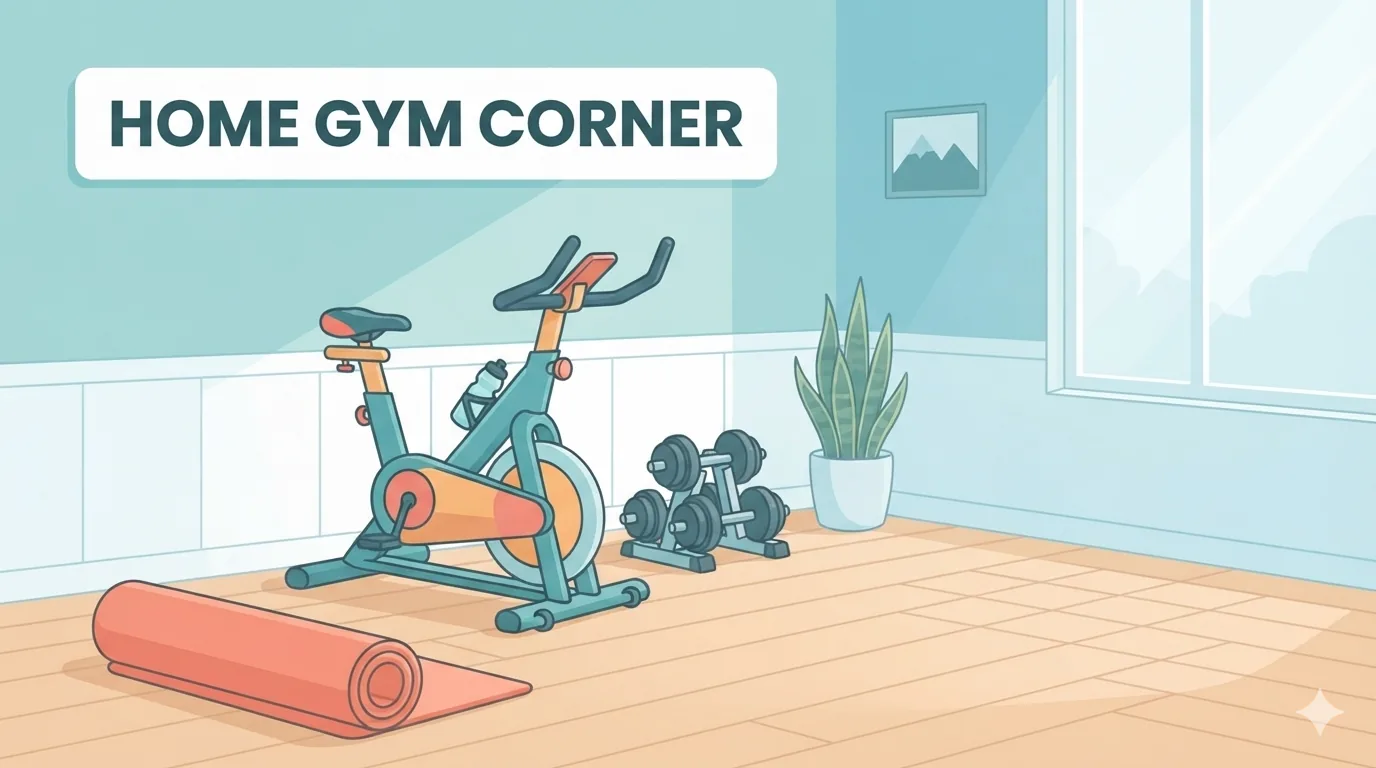
A resistance band set, an adjustable dumbbell pair, or a simple pull-up bar are common starting points if you are building a home strength routine from scratch.
Do Ab Exercises Like Planks and Crunches Reduce Belly Fat?
Planks and crunches strengthen and tone the abdominal muscles, but they do not preferentially burn fat from the belly. What they build is core strength and muscle definition underneath whatever fat layer is present.
🛒 Recommended Product
That still makes them worth including. A stronger core improves posture, supports your lower back during other exercises, and can make your midsection look firmer once overall body fat drops. Think of core work as the finishing layer on top of a cardio and strength foundation, not the main driver of fat loss.
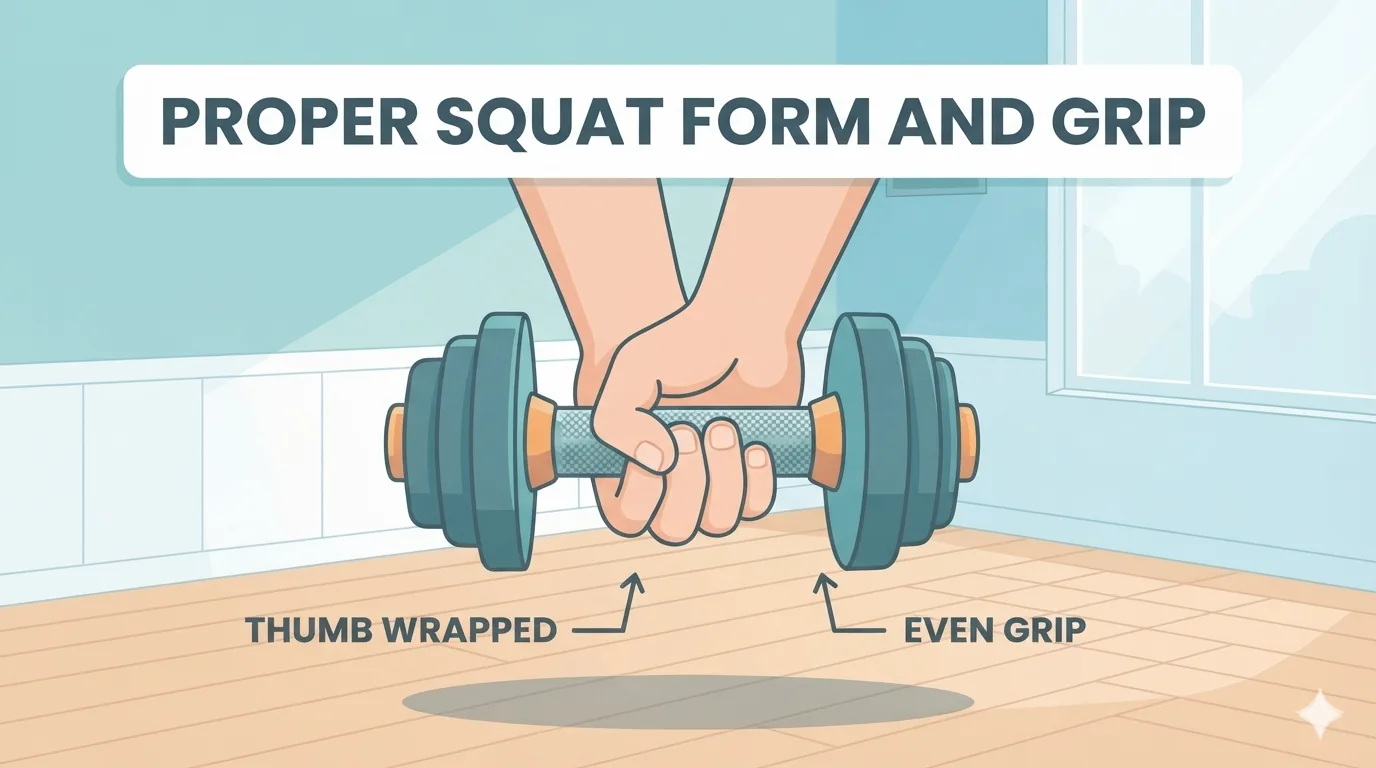
Common low-equipment core options include planks, dead bugs, and bicycle crunches, all of which can be done in a small space with no equipment at all.
How Do You Choose Between These Exercise Options?
Choose based on the time you actually have each week, any equipment you own or are willing to buy, and how intense a workout your body and schedule can handle right now.
The comparison below lines up the main options by these three practical factors, so you can match an exercise type to your real week instead of an ideal one.
| Exercise Type | Time per Session | Equipment Needed | Typical Intensity |
|---|---|---|---|
| Brisk walking | 30-45 min | None | Low to moderate |
| Cycling | 20-40 min | Bike or stationary bike | Moderate |
| Interval training (HIIT) | 15-25 min | None to minimal | High |
| Full-body strength training | 30-45 min | Dumbbells or resistance bands | Moderate to high |
| Core exercises (planks, crunches) | 10-15 min | None | Low to moderate |
If your time is limited, interval training or a short strength session gives you more effect per minute. If you are new to exercise or managing joint issues, walking and bodyweight strength work are gentler starting points.
How Do You Build a Weekly Routine That Actually Sticks?
A sustainable weekly routine combines two to three days of cardio, two days of full-body strength training, and a few short core sessions layered in wherever they fit.
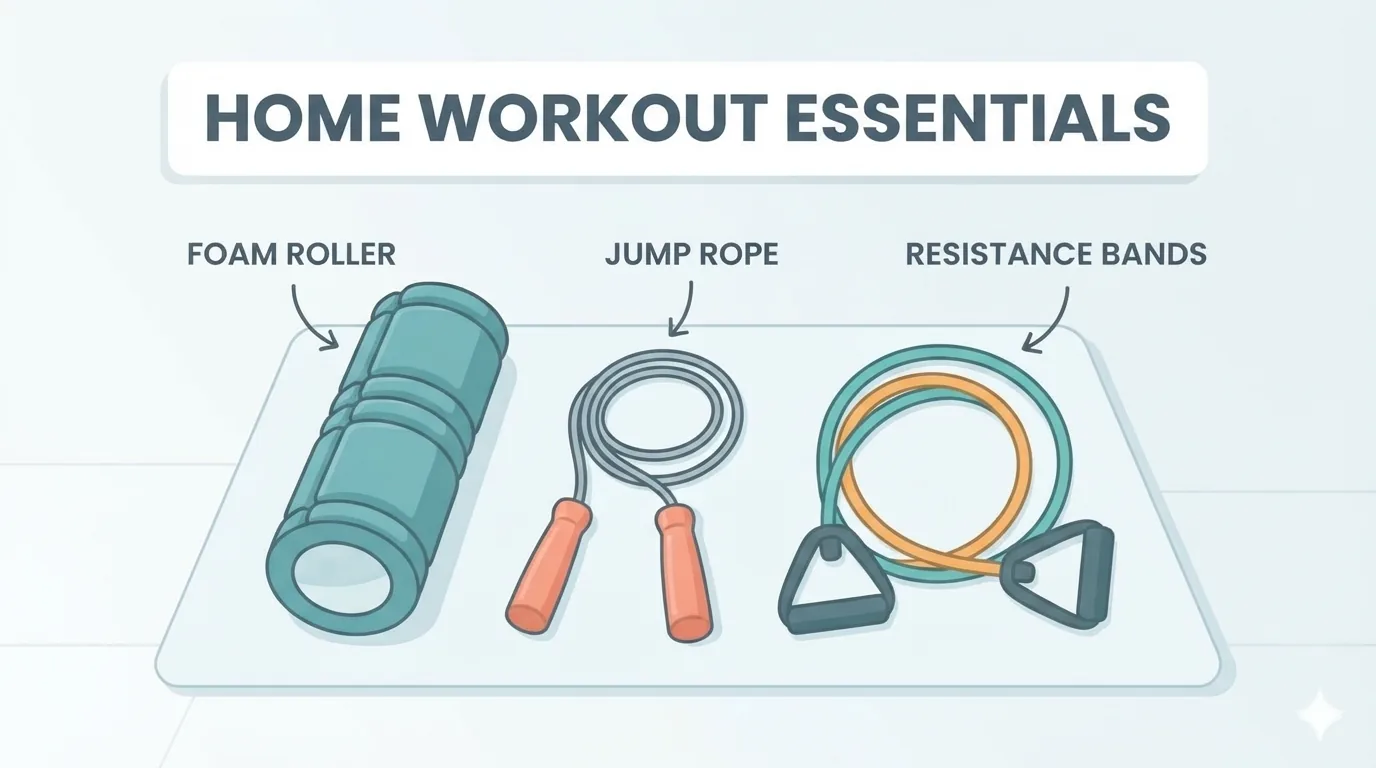
A simple starting week might look like this: Monday, a 30-minute brisk walk or bike ride. Tuesday, a full-body strength session with a short core finisher. Thursday, an interval session or another cardio day. Saturday, strength training again. This adds up to the activity levels described by CDC and WHO guidance above, without requiring daily gym visits.
Per CDC, “Healthy Weight and Growth,” https://cdc.gov/healthy-weight-growth/site.html, a commonly cited healthy pace for weight loss overall is about 1 to 2 pounds per week, achieved through a combination of activity and diet rather than exercise alone.
Results differ from person to person, and how quickly your waistline changes depends on genetics, diet, sleep, and consistency, not just which workout you pick. If you have a health condition, are new to exercise, or are unsure what intensity is safe for you, talk to a doctor before starting a new routine.
Start with whichever two exercise types from this guide feel realistic for your week, not the ones that sound the most impressive. What does your current week actually have room for?
Ready to build a routine you can stick with long term?
This article is for general information only and is not a substitute for professional medical advice. Results vary from person to person, so consult a doctor before starting a new exercise program, especially if you have an existing health condition.
- CDC, “Physical Activity Guidelines for Adults Fact Sheet” – confirmed weekly aerobic and muscle-strengthening activity recommendations for adults
- WHO, “Physical Activity” Fact Sheet – confirmed the distinction between physical activity and exercise, and weekly activity intensity recommendations
- CDC, “Healthy Weight and Growth” – confirmed the commonly cited healthy weight-loss pace of about 1 to 2 pounds per week
Citing this article
Source: Atovia (Atovia). https://atovia.kr