⚠️ This page connects you to Atovia’s partners and affiliate markets. We may receive a commission from affiliate partners for activities made through these links. Discount offers may change at any time according to policy! Rest assured, there are no additional costs to you! We hope this saves you time in finding the right items!
If running hurts your knees, bores you, or simply is not an option in your neighborhood, you can still raise your heart rate from your living room. Cardio at home without running comes down to picking moves you can repeat, at an effort that feels hard but controlled. This guide covers quiet low-impact options, tougher bodyweight moves, three timed workouts, and how to stay safe.
Table of Contents
- Can you get real cardio without running?
- How hard should you work during home cardio?
- Which low-impact cardio moves are quiet enough for an apartment?
- Which higher-intensity moves work without running?
- What does a home cardio workout look like from beginner to advanced?
- Is bodyweight enough, or is simple gear worth buying?
- How do you stay safe during home cardio?
- How do you keep a home cardio habit going?
- Frequently asked questions
- Conclusion: your first home cardio session
Can you get real cardio without running?
Yes. Cardio (also called aerobic exercise) is any rhythmic movement of large muscles that raises your heart rate and breathing for a sustained time. Running is one way to do that, and far from the only one.
Key Takeaways
- CDC guidance for adults is 150 minutes of moderate activity a week, or 75 minutes of vigorous activity, or an equivalent mix.
- Moderate effort passes the talk test: you can talk, but you could not sing.
- Low-impact moves such as marching and step-ups count as real cardio.
- Ten minutes is a fine starting point, and shorter bouts add up across the day.
The weekly targets above come from the US physical activity guidelines as summarized by the CDC. WHO publishes a similar range of 150 to 300 minutes of moderate activity per week for adults. Both also recommend muscle-strengthening work on at least two days a week.
Here’s the catch for beginners: you do not need to hit those totals in week one. Start with what feels doable and build from there. Results differ from person to person, so treat the numbers as a goal rather than a test.
How hard should you work during home cardio?
Aim for an effort where your breathing is heavier but still controlled. Two simple checks tell you where you are, and neither needs a watch.
What is the talk test?
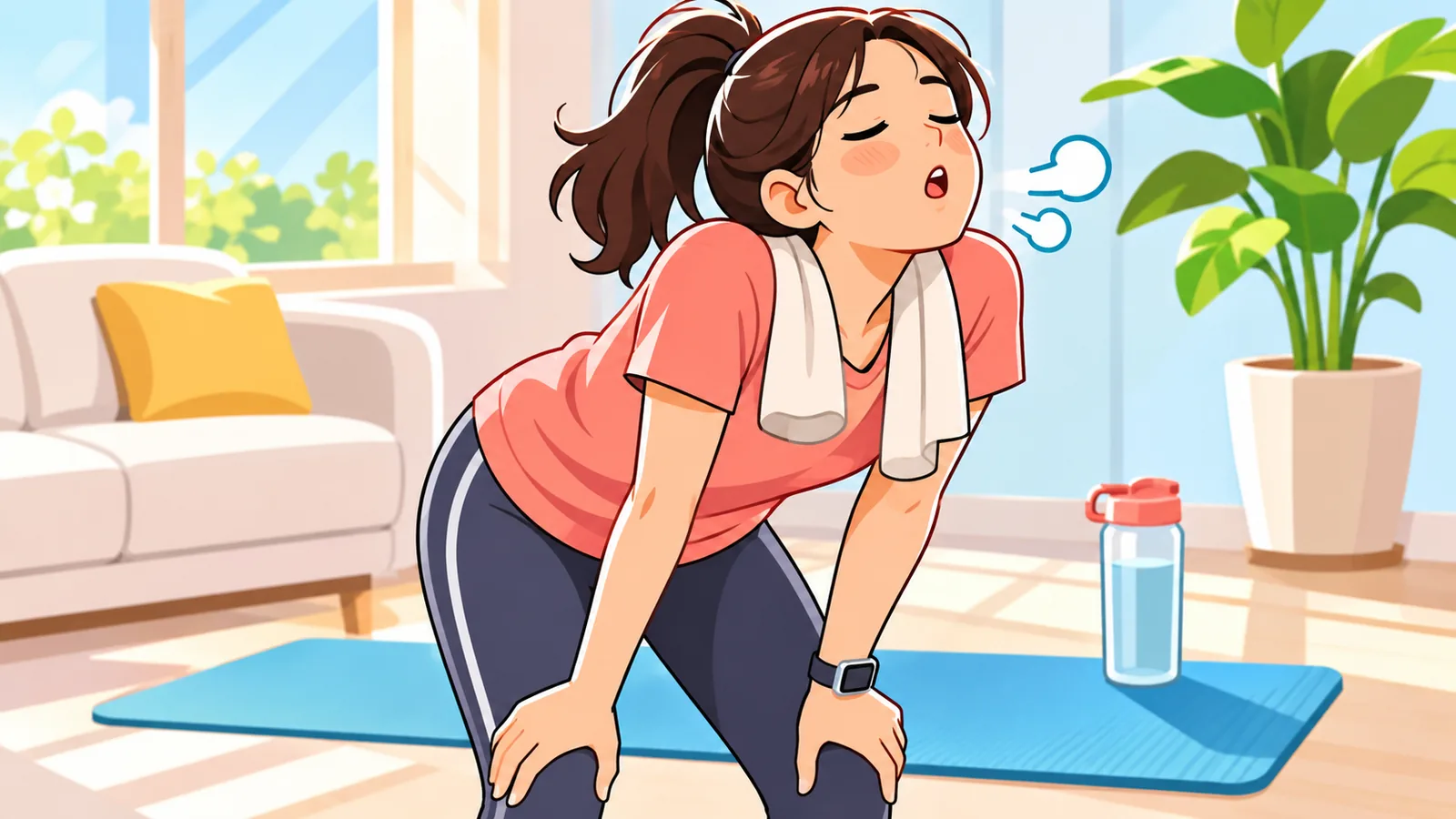
The talk test is a simple way to judge intensity by whether you can speak while moving. At moderate effort you can hold a conversation but could not sing a song. At vigorous effort you can only say a few words before needing a breath. The CDC describes this cue in its guidance on measuring intensity.
What if you do not like counting?
Rate your effort from 1 to 10, where 1 is sitting still and 10 is an all-out sprint. Steady home cardio usually sits around 5 to 6, and hard intervals around 7 to 8. This scale is a rough guide, so adjust it to how you feel on the day.

Which low-impact cardio moves are quiet enough for an apartment?
Moves that keep at least one foot on the floor are the quietest and gentlest on joints. They are a good place to start even if you plan to progress later. Each one below has a form cue and an easier option.
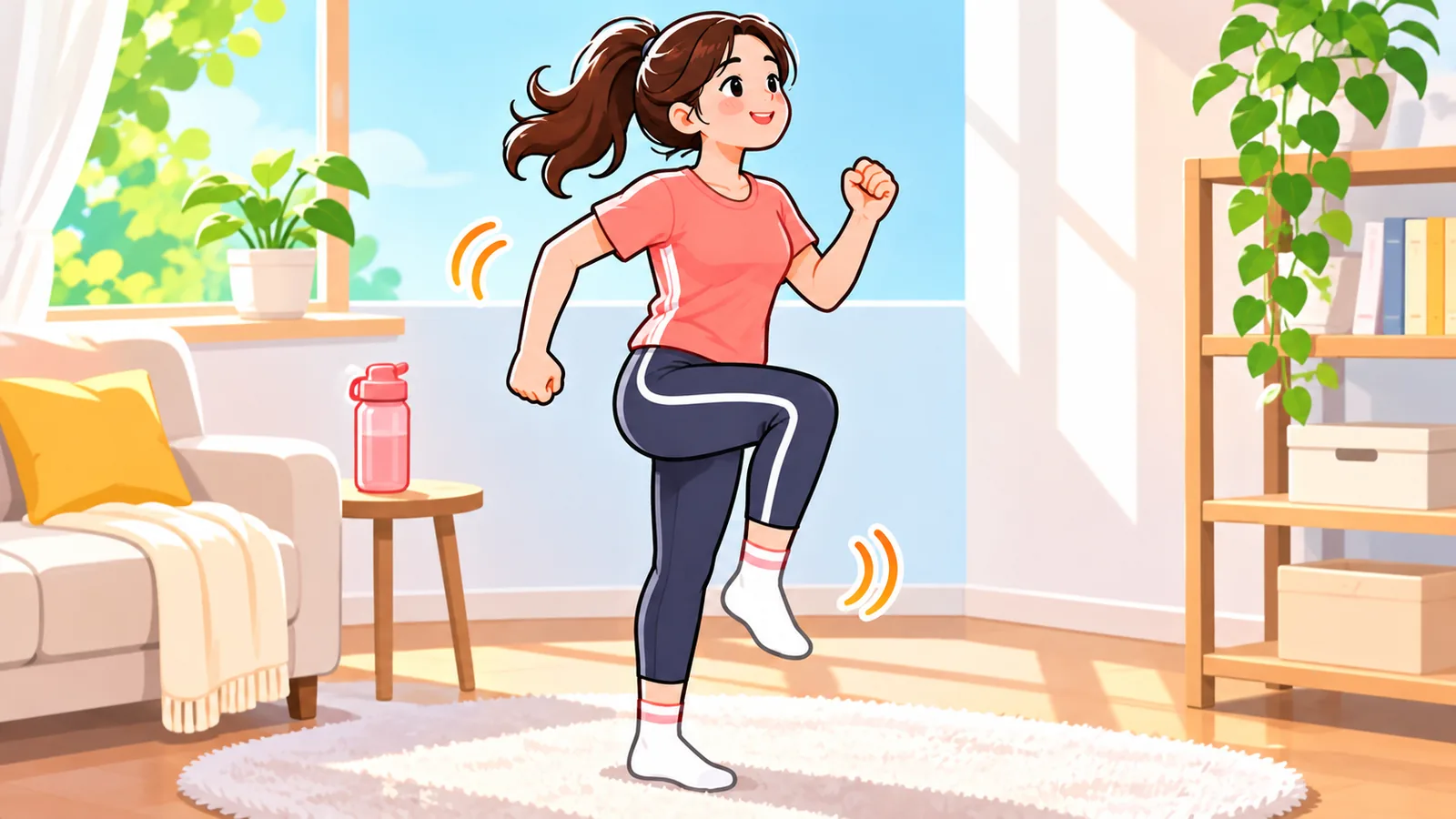
- Marching in place. Lift your knees to a comfortable height and swing your arms. Easier: shorten the steps and hold a chair. Harder: drive the knees higher.
- Step-ups. Step onto a sturdy stair or low step, then back down, alternating the lead foot. Easier: use a lower step. Harder: pick up the pace.
- Shadow boxing. Stay light on your feet and throw controlled punches. Easier: slow down and keep the punches small. Harder: add quick footwork and combinations.
- Dancing. Put on a playlist and move freely for a few songs. Easier: keep it to a gentle sway and step. Harder: use bigger arm and leg movements.
What are the best no-jump options for apartments?
Marching, shadow boxing, slow step-ups, and dancing in socks or soft shoes are the best no-jump choices. A rug or exercise mat softens each step. Skip anything that lands hard on both feet if you share a floor with neighbors below.
Which higher-intensity moves work without running?
Five bodyweight moves raise your heart rate quickly without any running: jumping jacks, mountain climbers, squat jumps, burpees, and skater hops. They are louder and harder on the joints, so add them once the basics feel easy.
- Jumping jacks. Land softly on the balls of your feet. Easier: step one leg out at a time.
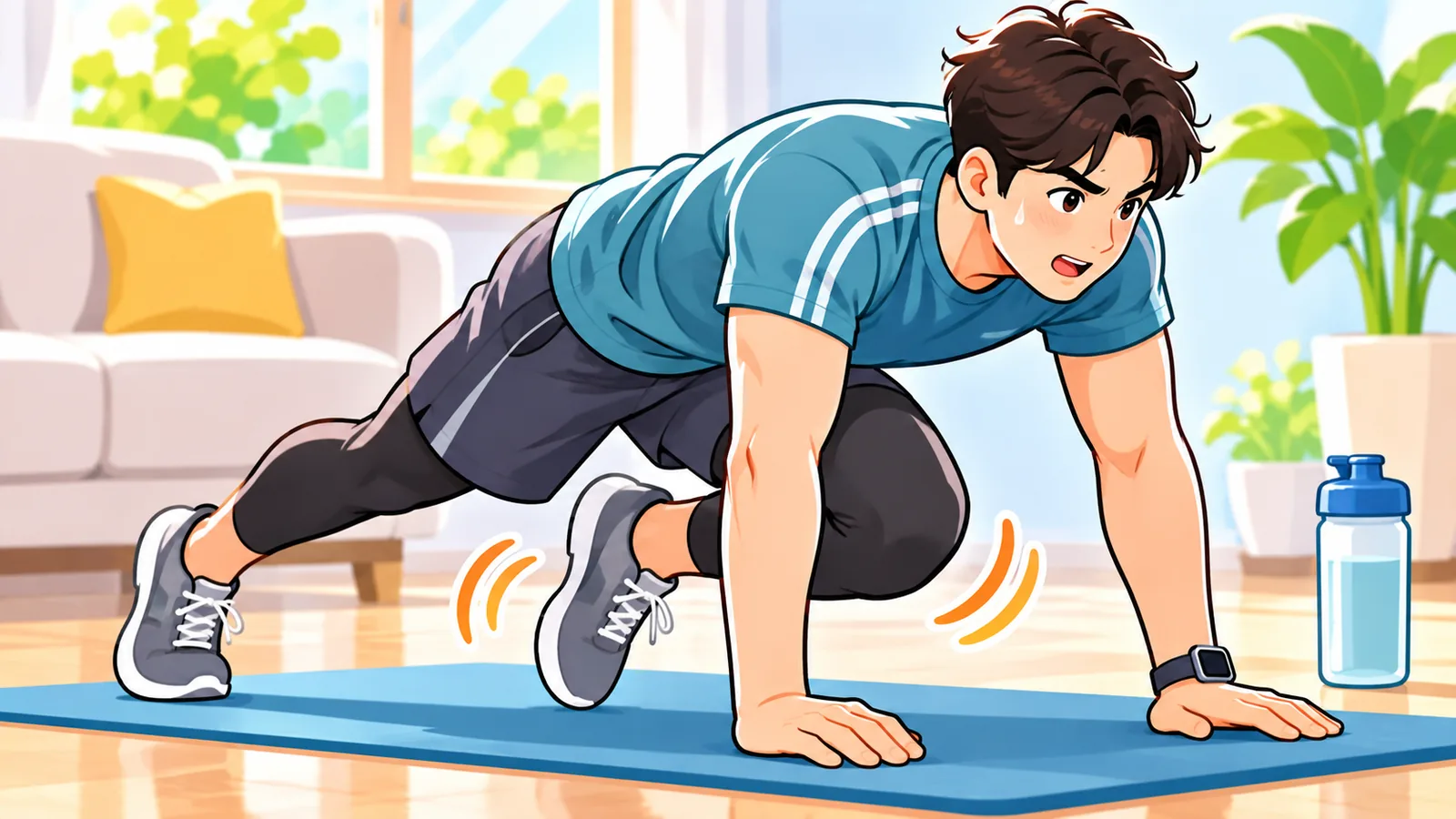
- Mountain climbers. Hold a strong plank and drive your knees toward your chest. Easier: slow down, or place your hands on a countertop.
- Squat jumps. Sit back into a squat, then hop up and land softly. Easier: do a regular squat and rise onto your toes.
- Burpees. Squat, plant your hands, step or jump your feet back, then stand. Easier: step instead of jumping, and skip the push-up.
- Skater hops. Bound side to side, landing on one leg at a time. Easier: tap the back foot behind you instead of hopping.
When should you skip the impact moves?
Skip them if a movement causes joint pain, if you are returning from an injury, or if a clinician has told you to avoid impact. Add one new move at a time, and stay with the low-impact versions until they feel easy.
What does a home cardio workout look like from beginner to advanced?
A short timed circuit is the simplest way to structure home cardio. Each plan below uses work and rest intervals, so you always know when the next break comes.
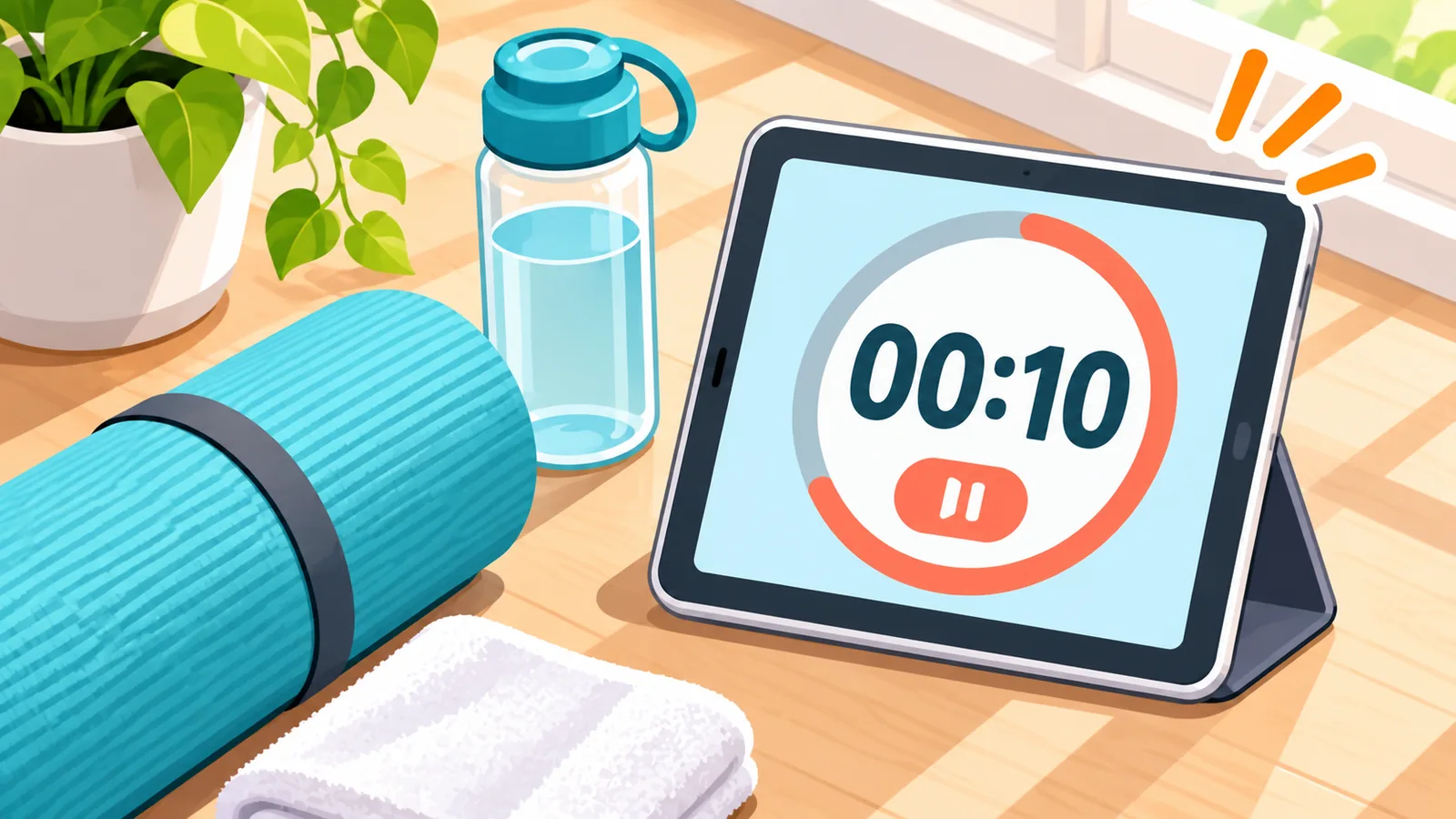
Beginner: 10 minutes
- Warm up for 2 minutes with easy marching and arm circles.
- Do 30 seconds of work and 30 seconds of rest for marching, step-ups, shadow boxing, and dancing.
- Repeat that round once more.
- Cool down for 2 minutes with slow walking and gentle stretches.
Intermediate: 15 minutes
- Warm up for 3 minutes with marching and bodyweight squats.
- Do 40 seconds of work and 20 seconds of rest for jumping jacks, step-ups, shadow boxing, and mountain climbers.
- Complete 3 rounds.
- Cool down for 2 minutes with slow walking and stretching.
Advanced: 20 minutes
- Warm up for 4 minutes with marching, lunges, and arm circles.
- Do 45 seconds of work and 15 seconds of rest for squat jumps, mountain climbers, skater hops, and burpees.
- Complete 4 rounds, resting 1 minute between rounds.
- Cool down for 3 minutes with slow walking and stretches.
Is bodyweight enough, or is simple gear worth buying?
Bodyweight alone is enough for a solid cardio workout. If you want variety, a few inexpensive items help, and the table shows the trade-offs.
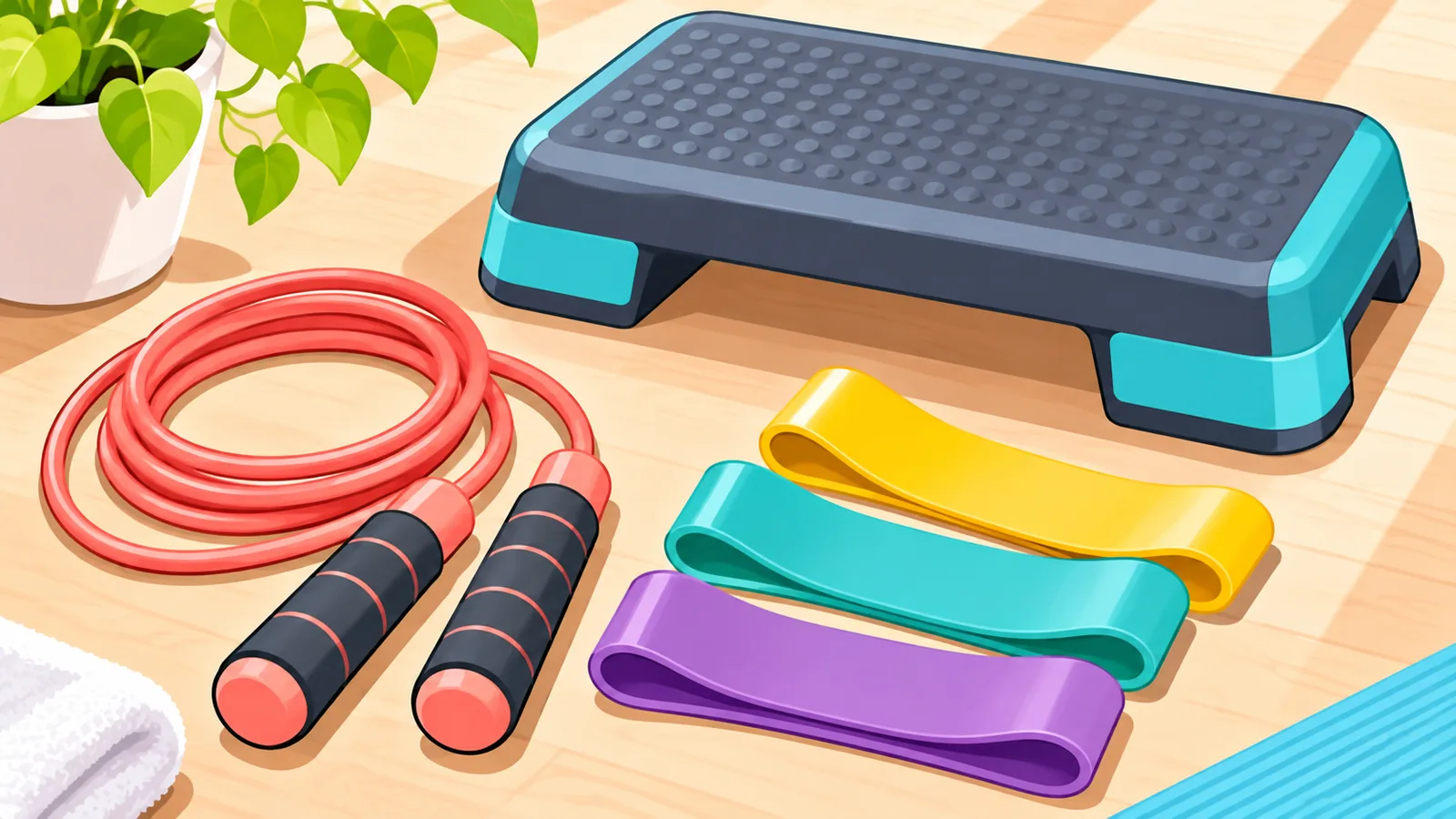
| Option | Noise | Joint impact | Cost | Space needed |
|---|---|---|---|---|
| Bodyweight only | Low to medium | Low to high | Free | Small |
| Jump rope | Medium to high | Medium to high | Low | Medium |
| Resistance bands | Low | Low | Low | Small |
| Stairs or step | Low to medium | Low to medium | Free to low | Small |
In short, stairs and bodyweight moves are the cheapest way to start. A jump rope is great for conditioning but works against a quiet, low-impact goal.
How do you stay safe during home cardio?
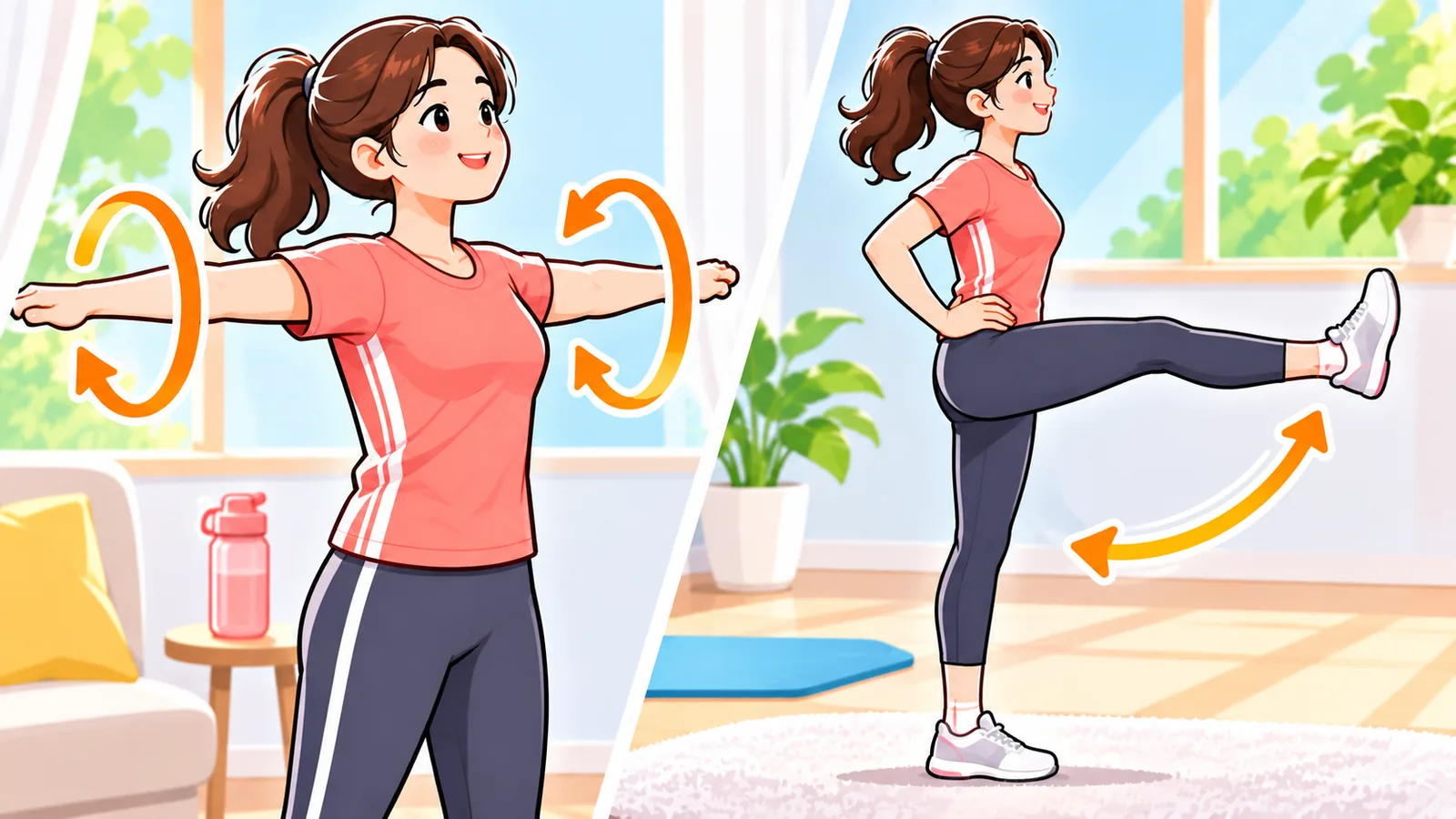
Warm up first, keep your form tidy, and stop if something feels wrong. A few minutes of easy movement before you start prepares your muscles and joints.
What are the signs you should stop?
Stop and seek medical help for chest pain or pressure, dizziness or fainting, unusual shortness of breath, or sharp joint pain. These are not signs to push through.
Should you check with a doctor first?
If you have a heart, lung, or joint condition, are pregnant, or have been inactive for a long time, talk to a clinician before starting. The CDC and ACSM both advise this kind of check for people with existing health conditions.
How do you keep a home cardio habit going?
Consistency beats intensity, so pick a time that fits your day and treat it like an appointment. If you work out right after morning coffee, you are more likely to protect that slot from everything else.
- Attach your workout to a habit you already have.
- Keep the plan simple, with two or three moves at first.
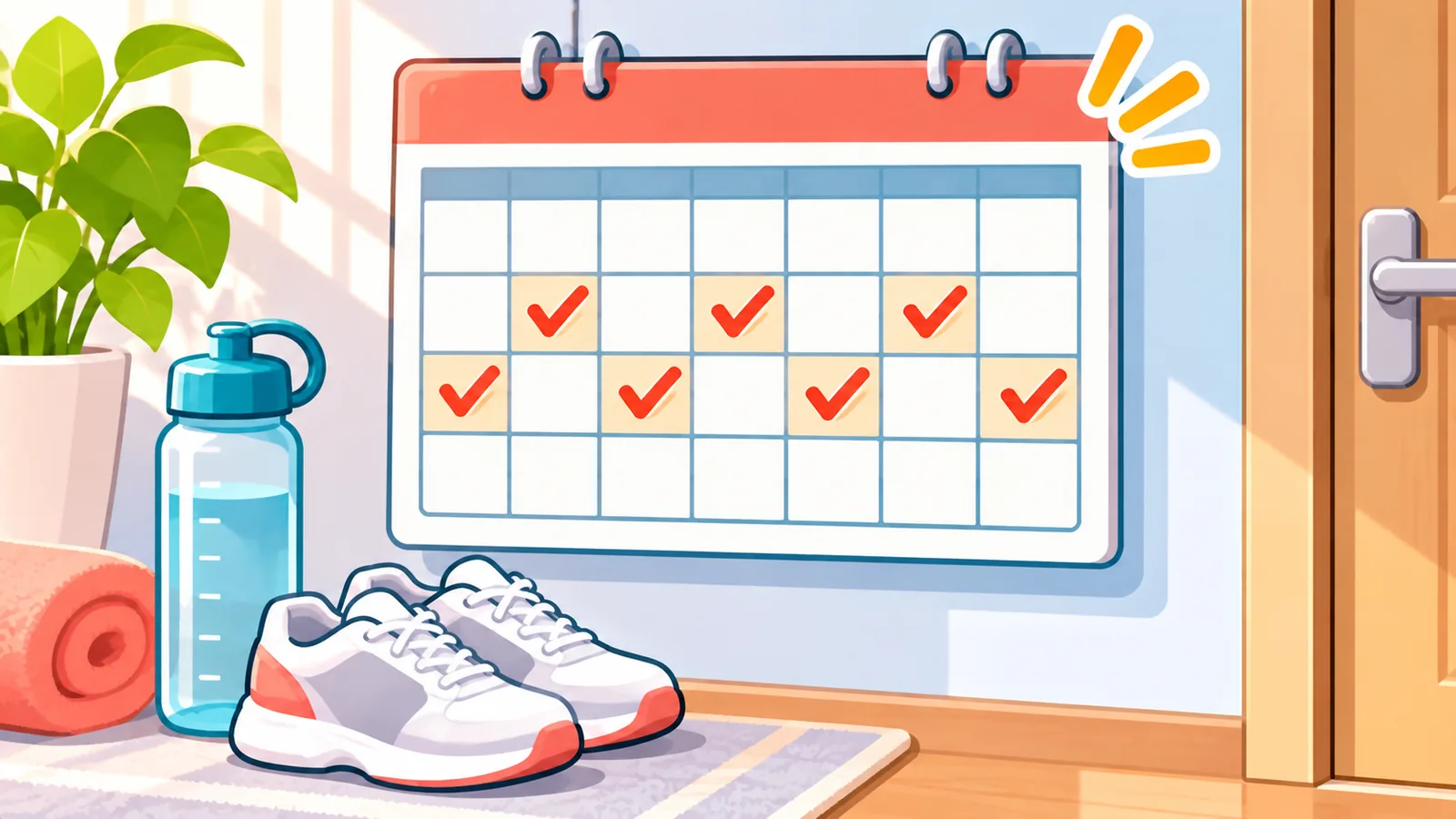
- Mark finished sessions on a calendar so you can see your streak.
- Swap in a new move every couple of weeks to stay interested.
Frequently asked questions
How long should a home cardio session last?
Ten to twenty minutes is plenty to begin with. You can also split your time into shorter bouts across the day, since they still count toward your weekly total.

How often should you do cardio each week?
Most people do well with three to five sessions a week. Spread them out and include at least one lighter day.
Is cardio without running as effective?
It can be. What matters is how hard you work and how consistently you show up, not the specific exercise.
Conclusion: your first home cardio session
You can build real cardio fitness at home without ever lacing up running shoes. Start with low-impact moves, use the talk test, and add intensity only when it feels right.
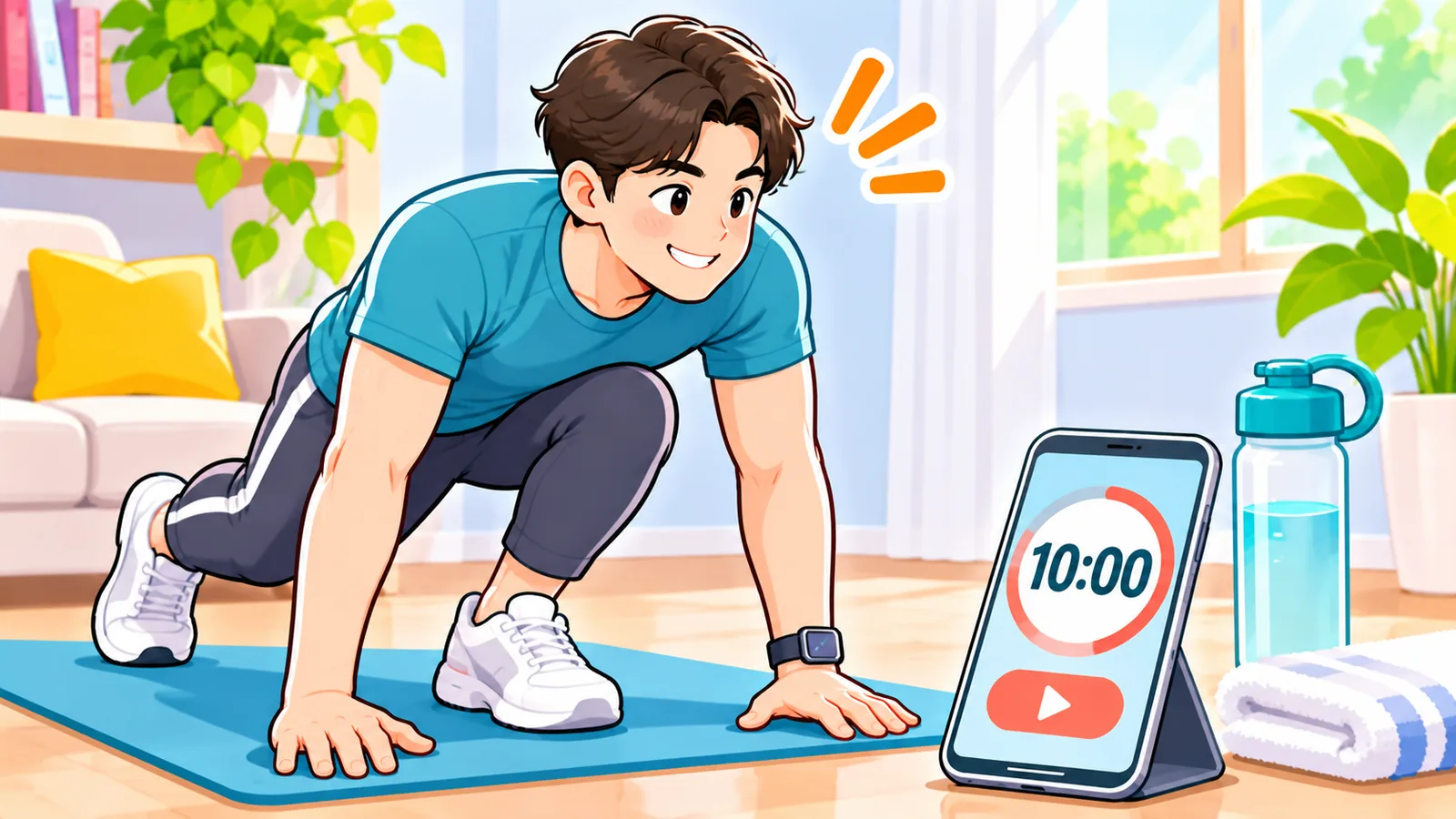
Today, pick two moves from this guide, set a timer for 10 minutes, and stop at a comfortable effort. Which two will you try first?
Health note: This guide is general fitness information and does not replace advice from a doctor or other qualified professional. Results differ from person to person, so consult a clinician if you have health concerns before starting a new exercise routine.
Want help sticking with a routine? Explore more fitness resources and keep your home workouts on track.
Sources
- CDC, Physical Activity Basics – confirmed the 150-minute moderate or 75-minute vigorous weekly targets for adults and the two-day muscle-strengthening recommendation.
- CDC, Measuring Physical Activity Intensity – confirmed the talk test and perceived effort as ways to gauge intensity.
- WHO, Guidelines on Physical Activity and Sedentary Behaviour – confirmed the 150 to 300 minute weekly range for adults and that any activity is better than none.
- ACSM, Guidelines for Exercise Testing and Prescription – supports checking with a clinician before starting exercise when health conditions are present.
Try Atovia’s free tool for this topic →
Citing this article
Source: Atovia (Atovia). https://atovia.kr