⚠️ This page connects you to Atovia’s partners and affiliate markets. We may receive a commission from affiliate partners for activities made through these links. Discount offers may change at any time according to policy! Rest assured, there are no additional costs to you! We hope this saves you time in finding the right items!
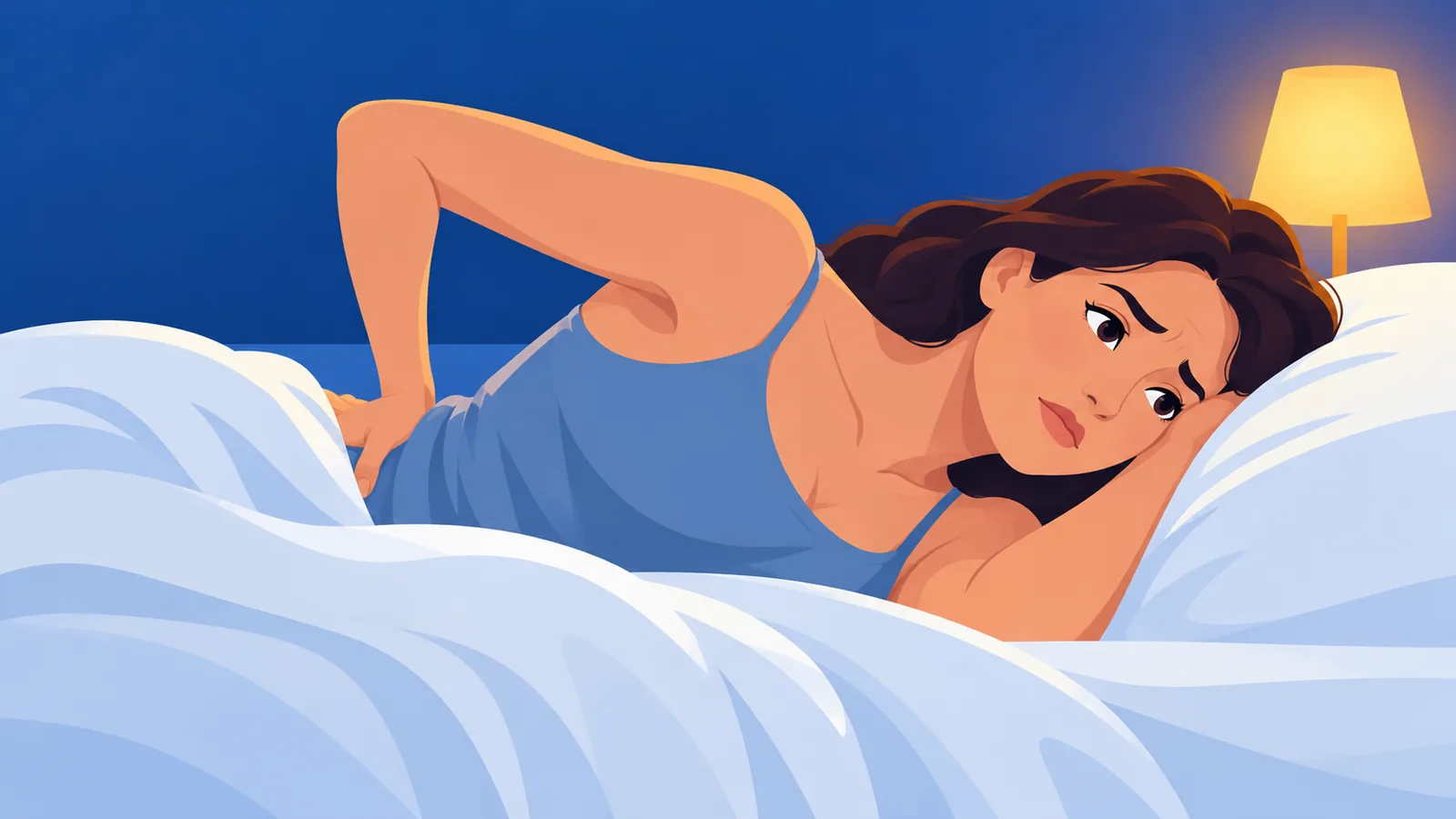
If you spend the night tossing and turning, wake up stiff, or dread bedtime because your lower back hurts, you are not alone. The good news is that a few small, low-cost changes, most of them using pillows you already own, may help you get more comfortable tonight.
The short answer: many people find relief by sleeping on their back with a pillow under the knees, or on their side with a pillow between the knees. Both positions are commonly recommended because they help keep the spine in a more neutral position.
- Why Lower Back Pain Gets Worse at Night
- Quick Answer: The Best Sleeping Positions at a Glance
- Sleeping on Your Back: Pillow Under the Knees
- Sleeping on Your Side: Pillow Between the Knees
- Sleeping on Your Stomach: How to Make It Less Harmful
- Getting In and Out of Bed Without Aggravating Your Back
- Choosing a Mattress for Lower Back Pain
- Choosing the Right Pillows and Supports
- A 10-Minute Pre-Bed Routine for a Calmer Back
- Common Mistakes That Keep Your Back Hurting at Night
- When to See a Doctor
- Frequently Asked Questions
- Back sleeping with a pillow under the knees and side sleeping with a pillow between the knees keep the spine in a more neutral position.
- Stomach sleeping is usually the hardest on the lower back. If it is unavoidable, place a thin pillow under the pelvis and use little or no head pillow.
- A medium-firm mattress is a reasonable starting point, but comfort and spinal alignment matter more than a label.
- Gentle stretching and warmth before bed can ease stiffness for some people.
- Pain with numbness, leg weakness, fever, or bladder or bowel changes needs prompt medical attention.
Why Lower Back Pain Gets Worse at Night
Many people notice their back feels worse at night or first thing in the morning. While the exact cause differs from person to person, a few common factors can play a role:
- Staying in one posture for hours can leave muscles tight and stiff.
- Stiffness after inactivity can make the first movements after lying still feel sore.
- An unsupportive surface or poor pillow setup can let the spine sag or twist.
- Fewer distractions at bedtime may make discomfort feel more noticeable for some people.
The sections below focus on what you can adjust, starting with the position you sleep in.
Quick Answer: The Best Sleeping Positions at a Glance
No single position works for everyone, but the comparison below shows how the three main options stack up. In short: back sleeping with knee support and side sleeping with a pillow between the knees are the usual first choices, while stomach sleeping tends to be the most challenging for the lower back.
| Position | Back Sleeping | Side Sleeping | Stomach Sleeping |
|---|---|---|---|
| Spinal alignment | Generally neutral when knees are supported | Generally neutral when hips are stacked and knees are supported | Often increases the arch in the lower back and twists the neck |
| Pillow placement | Pillow or rolled towel under the knees; thinner head pillow | Pillow between the knees and ankles; head pillow fills the neck-to-shoulder gap | Thin pillow under the hips and lower abdomen; flat or no head pillow |
| Best for | People who are comfortable lying flat and want even support | People who find back sleeping uncomfortable; commonly suggested during pregnancy | People who cannot sleep any other way |
| Watch out for | Pillow slipping away overnight; a towel roll that increases pain | Knees drifting apart or curling too tightly | Neck rotation and extra strain on the lower back |
| Difficulty adjusting | Moderate | Easy to moderate | Hard, especially if you have slept this way for years |
Sleeping on Your Back: Pillow Under the Knees
Lying on your back spreads your weight across the largest area of your body. Adding support under the knees can reduce the pull on the lower back.

- Lie on your back with your head on a pillow that is not too thick, so your chin does not tip toward your chest.
- Place a pillow or a firmly rolled towel under your knees so they bend slightly.
- Optional: slide a small, thin towel roll into the curve of your lower back. Remove it if it increases your pain.
- Let your arms rest comfortably at your sides or on your stomach.
Who it suits: People who feel more comfortable lying flat and who do not snore heavily or have breathing issues in this position.
When it may not help: If lying flat increases your pain or the knee pillow keeps slipping out, try side sleeping instead.
Sleeping on Your Side: Pillow Between the Knees
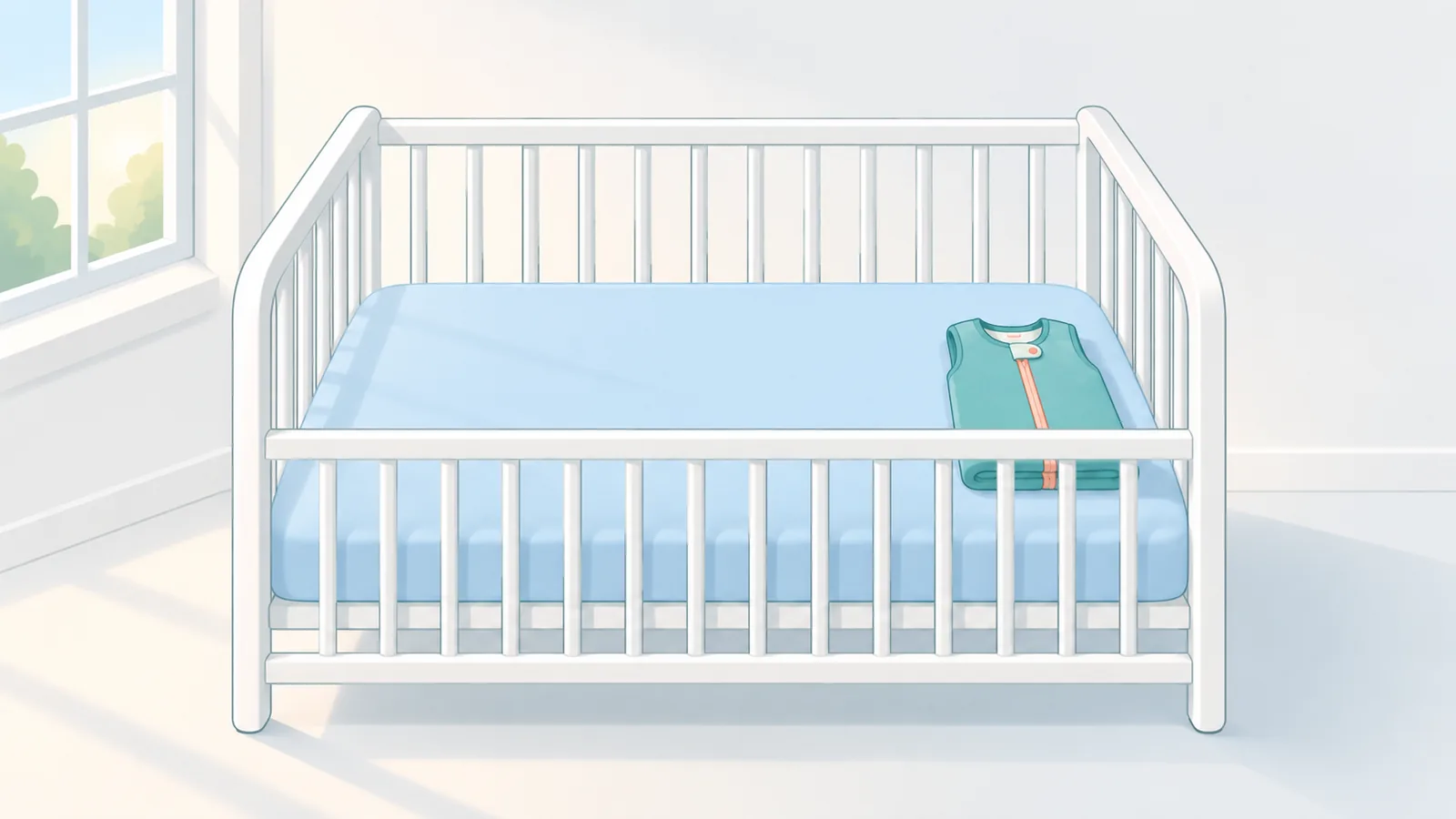
Side sleeping can work well, but only if your hips and spine stay lined up. A pillow between the knees helps stop the top leg from pulling your pelvis and lower back out of line.
- Lie on your side and place a pillow between your knees, extending down to your ankles if possible.
- Keep your hips stacked one above the other rather than rolled forward or back.
- Let your knees bend slightly in a loose, relaxed curl, not a tight curl.
- Choose a head pillow tall enough to fill the gap between your ear and the mattress so your neck stays level.
- Option: hug a body pillow to support your top arm and leg together.
Who it suits: People who find back sleeping uncomfortable, and people who are pregnant (ask your clinician for advice specific to you).

When it may not help: If the pillow shifts away during the night, try a longer body pillow or a firmer knee pillow.
Sleeping on Your Stomach: How to Make It Less Harmful
To be honest, stomach sleeping is usually the hardest position on the lower back. It tends to increase the arch in your spine and forces your neck to turn for hours. If you cannot sleep any other way, these steps can reduce the strain:
- Place a thin pillow under your hips and lower abdomen.
- Use a very flat pillow for your head, or none at all.
- Avoid propping one knee up high, which can twist the pelvis.
A gradual transition plan: Start the night on your side with a pillow hugged to your chest, which can feel similar to stomach sleeping. After a week or two, add the knee pillow. Expect some restless nights while your body adjusts.
Getting In and Out of Bed Without Aggravating Your Back
Twisting or sitting straight up from lying down can irritate a sore back. The log-roll technique keeps your trunk moving as one unit:
- Lie on your back and bend your knees.
- Roll onto your side as one piece, keeping your shoulders and hips moving together.
- Swing your legs off the edge of the bed while pushing up with your arms.
- Pause for a moment before standing.

🛒 Recommended Product
To lie down, reverse the steps: sit on the edge, lower yourself onto your side, then bring your legs up and roll onto your back if you wish.
Choosing a Mattress for Lower Back Pain
There is no universally correct mattress for back pain. A medium-firm mattress is a reasonable starting point, but your comfort and alignment matter more than the label on the box.
- Support without sagging: your hips should not sink far below your shoulders.
- Comfort: you should be able to relax without feeling pressure points.
- Visible wear: dips, lumps, or waking up sore may mean the mattress has lost support.
- Trial periods: a return or trial window lets you test a mattress at home for several nights.
- Toppers: a topper can be a budget option to adjust the feel of your current mattress.
Quick self-test: Lie on your back. If a hand slides in easily under your lower back, the surface may be too firm for your shape. If your hips sink well below your shoulders, it may be too soft.
Choosing the Right Pillows and Supports
- Head pillow: thinner for back sleepers, taller for side sleepers so the neck stays level.
- Knee pillow: a standard pillow or a purpose-made knee pillow for side sleeping.
- Body pillow: helpful if you like to hug something or tend to roll.
- Lumbar roll or towel: optional; remove it if it increases pain.
- Wedge pillow: some people prefer one under the knees or upper body, though the evidence for it is limited.
Simple fit test: Lie in your usual position and ask yourself whether your head, neck, and spine look like a straight line from the side. If not, adjust the height of one pillow at a time.
A 10-Minute Pre-Bed Routine for a Calmer Back
- Warmth (2 to 3 minutes): take a warm shower or use a heat pack on the lower back.
- Knee-to-chest stretch (2 minutes): lying on your back, gently pull one knee toward your chest, then the other.
- Pelvic tilts (2 minutes): with knees bent, gently flatten your lower back against the bed and release.
- Child’s pose (2 minutes): kneel and sit back toward your heels with arms extended forward.
- Slow breathing (1 to 2 minutes): breathe in through your nose and out slowly to relax.
Stop rule: Stop any movement that increases your pain or sends pain down a leg.
Heat safety: Use a timer, never fall asleep on a heating pad, and keep a layer of fabric between the pad and your skin.

Common Mistakes That Keep Your Back Hurting at Night
- Sleeping on a mattress that is too soft or sagging, which can let the spine bend out of line.
- Using an oversized head pillow, which pushes the neck out of line with the spine.
- Propping yourself up awkwardly to use a phone, which strains the neck and trunk for long periods.
- Sleeping on your side with a tight curl and no knee support, which can twist the pelvis.
- Ignoring worsening pain instead of getting it checked.
When to See a Doctor
Most nighttime back pain improves with simple changes, but some symptoms need professional attention.
Seek urgent care right away for:
- Loss of bladder or bowel control
- Numbness in the groin or inner thighs (the saddle area)
Contact a doctor promptly for:
- Numbness, tingling, or weakness in the legs
- Fever along with back pain
- Back pain after a fall or injury
- Unexplained weight loss
- New back pain after age 50
- Pain that consistently wakes you or does not ease with position changes
- Pain lasting more than a few weeks
This article offers general information only and is not medical advice. A healthcare professional can evaluate your situation.
Frequently Asked Questions
What is the best position for sciatica-type pain?
It varies. Some people find relief lying on the unaffected side with a pillow between the knees, while others prefer lying on their back with knees supported. Try both, and see a clinician if leg symptoms persist.
Should I sleep on the floor?
It is not generally recommended. A firmer surface has not been shown to be better, and a hard floor can be uncomfortable for your hips and shoulders.
Heating pad or ice at night?
Heat is the usual choice for stiffness and tight muscles. Ice is mainly used briefly in the early period after a fresh strain. Whichever you choose, do not fall asleep on a heating pad.
How long does it take to adjust to a new sleeping position?
It can take a week or two. Try changing one thing at a time, and keep a simple note of your sleep and pain for three nights to see what helps.
What about sleeping while pregnant?
Side sleeping with a pillow between the knees is often suggested, but ask your own clinician for advice that fits your pregnancy.
Pick one adjustment to try tonight, such as a pillow between your knees or under your knees. Then jot down your sleep quality and pain level for three nights to see what works for you.
References
- General patient guidance on sleep positions and low back pain from major health organizations such as Mayo Clinic, Cleveland Clinic, and Harvard Health.
- Clinical guidance on heat for short-term relief of non-specific low back pain.
- Standard red-flag symptom guidance for back pain from public health services and clinical guidelines.
Want more comparisons and buying guides?
Citing this article
Source: Atovia (Atovia). https://atovia.kr