⚠️ This page connects you to Atovia’s partners and affiliate markets. We may receive a commission from affiliate partners for activities made through these links. Discount offers may change at any time according to policy! Rest assured, there are no additional costs to you! We hope this saves you time in finding the right items!
- 1. Why Mindfulness Products Help You Build a Real Habit
- 2. Meditation Cushions and Seating: Comfort for Daily Practice
- 3. Guided Meditation Apps and Audio Tools
- 4. Mindfulness Journals and Reflection Notebooks
- 5. Aromatherapy and Sensory Tools for Calm Spaces
- 6. Comparing Top Mindfulness Product Categories
- 7. How to Choose the Right Mindfulness Products for You
- 8. Final Thoughts and Recommended Picks
Starting a mindfulness practice is easier when you have the right tools on hand. The right cushion, journal, or app can turn a vague intention into a habit you actually keep. This guide walks through the core product categories worth considering if you’re building (or upgrading) your mindfulness toolkit.
- Comfortable seating makes it easier to sit still for meditation sessions.
- Guided apps help beginners stay consistent without guesswork.
- A journal turns reflection into a measurable, repeatable habit.
- Sensory tools like aromatherapy can anchor your practice to a specific time and place.
1. Why Mindfulness Products Help You Build a Real Habit
Habits stick better when they’re tied to physical cues. A dedicated cushion, a journal on your nightstand, or a recurring app notification all act as small triggers that remind you to practice. None of these products are required to meditate, but they lower the friction of starting, which is often the hardest part of any new routine.
2. Meditation Cushions and Seating: Comfort for Daily Practice
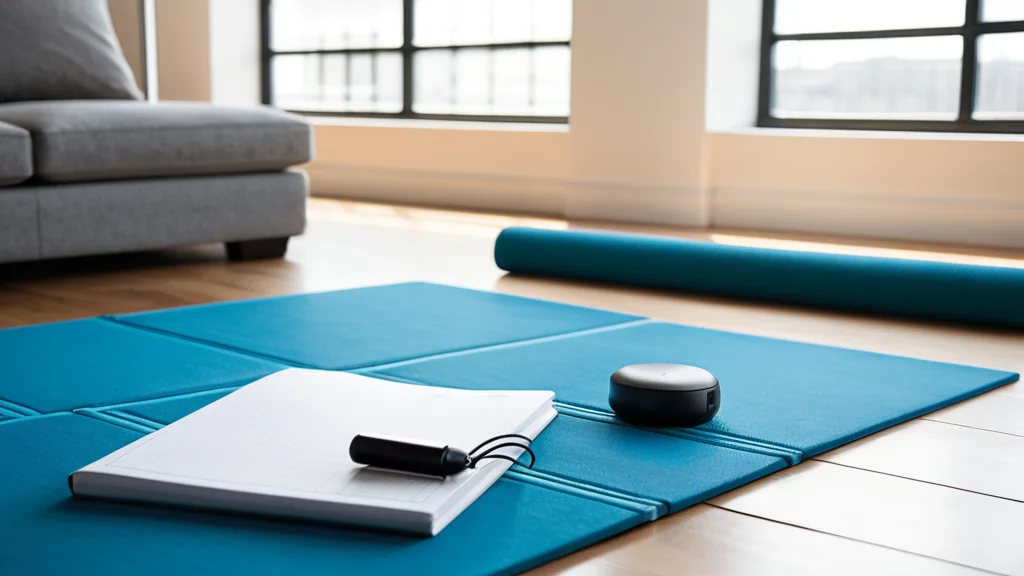
Sitting comfortably matters more than most beginners expect. A zafu cushion, a meditation bench, or a simple folded blanket can all work, depending on your flexibility and the length of your sessions. Look for firm, supportive fill (like buckwheat hulls) if you sit for 20 minutes or more, and prioritize portability if you plan to practice in different rooms or take your setup outdoors.
3. Guided Meditation Apps and Audio Tools
Apps are often the easiest entry point for beginners. They remove the pressure of “doing it right” by walking you through breathing, body scans, or visualization step by step. Many offer free tiers with short daily sessions, which is a low-risk way to test whether a structured practice fits into your routine before committing to a paid subscription.
🛒 Recommended Product
4. Mindfulness Journals and Reflection Notebooks
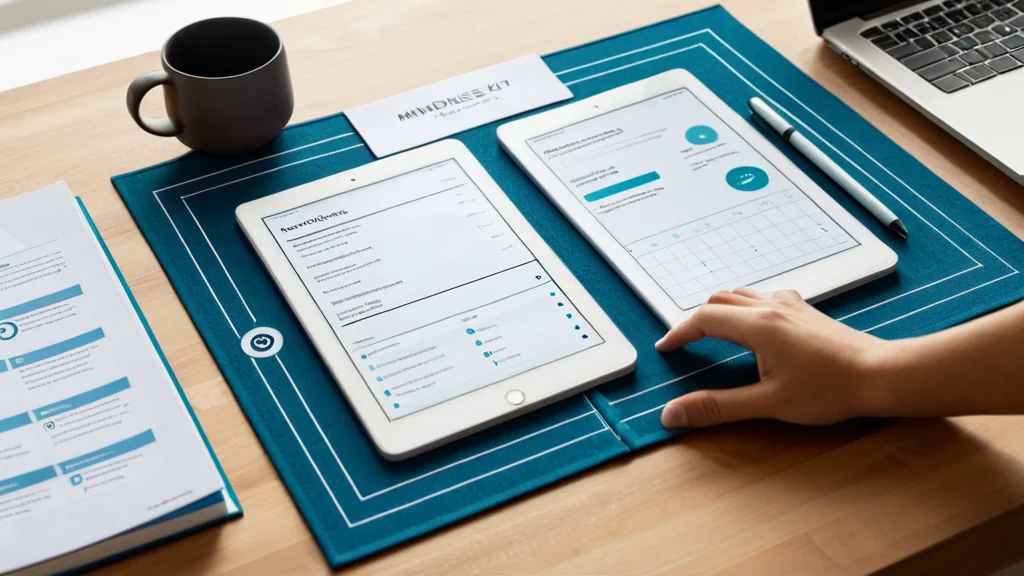
Journaling pairs naturally with mindfulness because it captures what meditation alone can’t: your evolving thoughts and patterns over time. Guided journals with prompts work well for people who find a blank page intimidating, while simple lined notebooks suit those who prefer free-form reflection. Either way, the goal is consistency, not perfect writing.
5. Aromatherapy and Sensory Tools for Calm Spaces
Scent is a powerful, often underused anchor for routine. Diffusing the same essential oil blend every time you meditate can help your mind associate that smell with calm focus, making it easier to settle in. Other sensory tools, like a singing bowl or a soft eye pillow, serve a similar purpose by signaling to your body that it’s time to slow down.
6. Comparing Top Mindfulness Product Categories
| Category | Best For | Typical Price Range |
|---|---|---|
| Meditation Cushions | Comfort during longer seated sessions | $25–$80 |
| Meditation Apps | Guided structure for beginners | Free–$70/year |
| Mindfulness Journals | Tracking thoughts and progress | $10–$30 |
| Aromatherapy Tools | Building a calming sensory routine | $15–$50 |
7. How to Choose the Right Mindfulness Products for You
Start with whichever category addresses your biggest barrier to practicing. If discomfort is what stops you from sitting still, invest in seating first. If you don’t know what to do once you sit down, an app removes that uncertainty. If you meditate fine but struggle to notice any change over time, a journal closes that gap. You don’t need every category at once — pick one, build the habit, then expand.
8. Final Thoughts and Recommended Picks
A mindfulness practice doesn’t require an elaborate setup, but a few well-chosen products can make the difference between a habit that fades after a week and one that lasts for years. Start small: one comfortable place to sit, one tool to guide you, and one way to track how it’s going.