⚠️ This page connects you to Atovia’s partners and affiliate markets. We may receive a commission from affiliate partners for activities made through these links. Discount offers may change at any time according to policy! Rest assured, there are no additional costs to you! We hope this saves you time in finding the right items!
It’s late, the lights are off, and you’re scrolling for something to help you wind down. Yoga nidra or a guided meditation? Here’s a plain answer on how they differ, an honest read of the research, and one thing you can try tonight.
Key takeaways
- Yoga nidra is usually done lying down, following a voice through body sensations, breath, and imagery.
- A 2025 review pooled 6 randomized trials with 244 people. Some sleep measures improved, but study quality was mixed.
- None of the sources reviewed compares yoga nidra and guided meditation head to head.
- Neither replaces CBT-I, the most strongly recommended insomnia treatment.
Is yoga nidra different from guided meditation?
They overlap a lot, and some researchers treat yoga nidra as one type of guided meditation. Where the line falls depends on who is defining the terms.
What does yoga nidra usually look like?
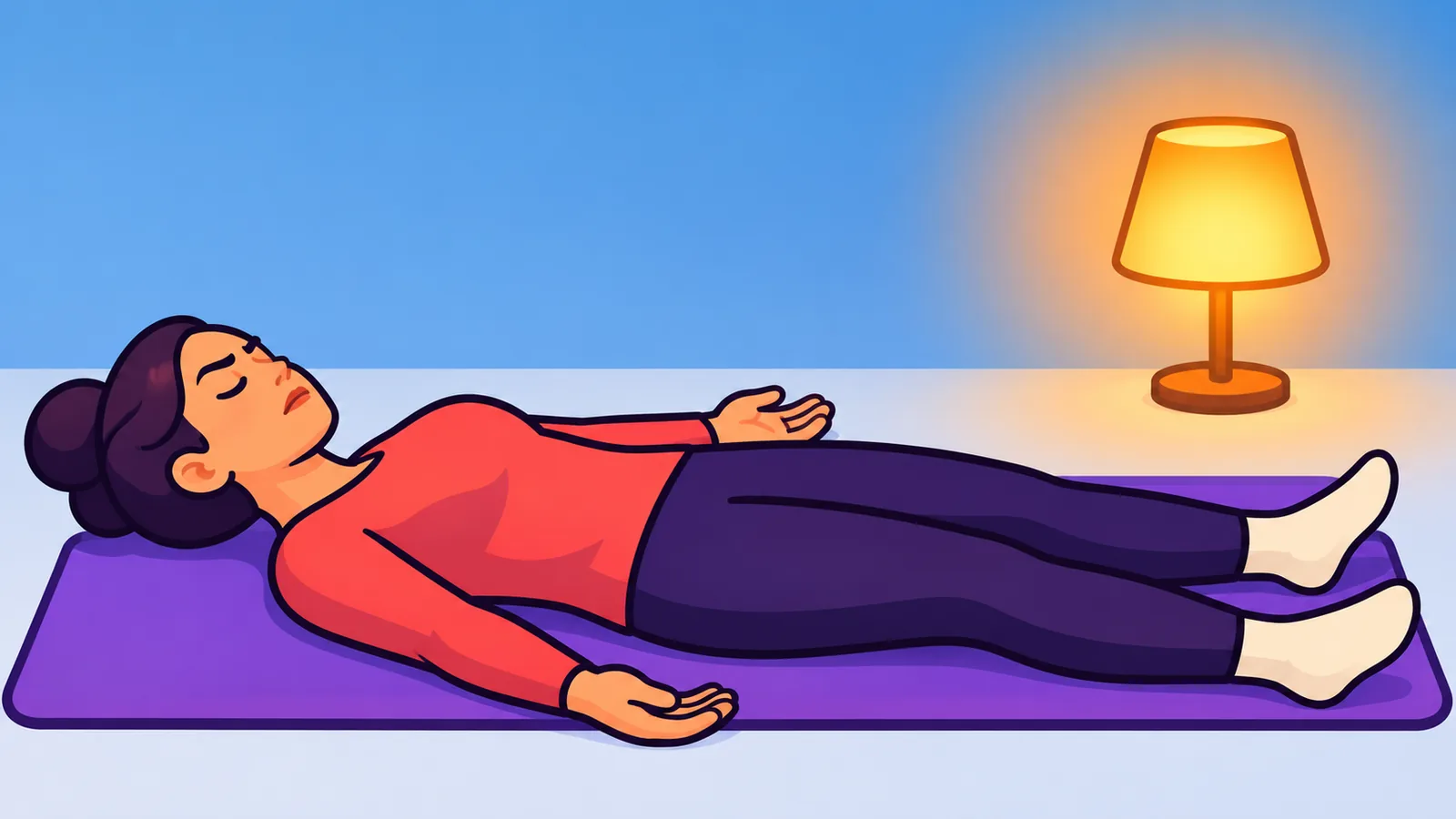
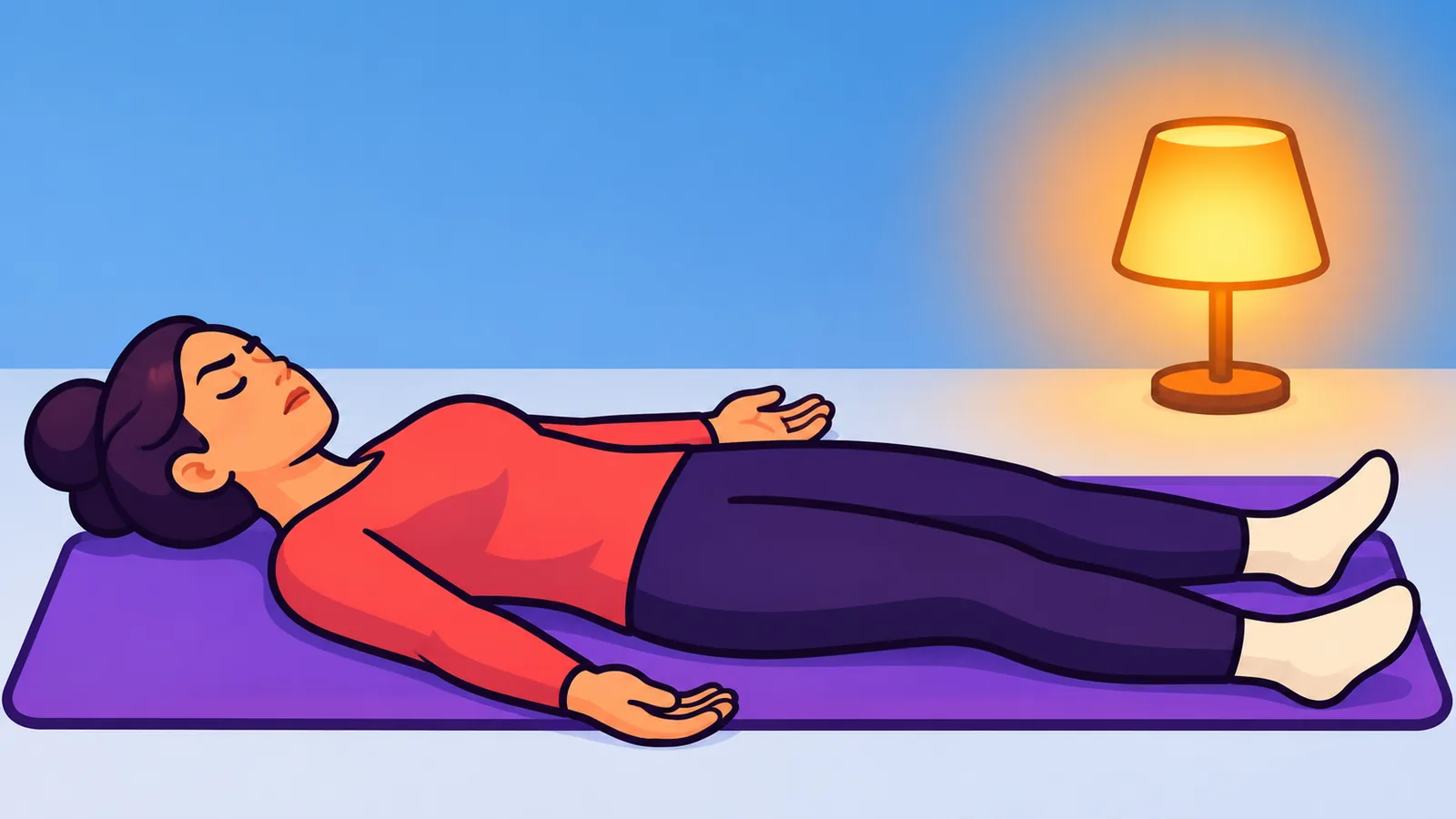
Most descriptions picture you lying down and following an audio or video guide. The voice moves your attention through body sensations, breath, and imagery in a set order. The Sleep Foundation describes it as a practice that needs very little physical movement.
What does general guided meditation ask of you?
Meditation more broadly involves placing your attention on a chosen object, or noticing what arises without judging it. A guided version simply adds a voice to help you do that. Because definitions vary between sources, expect some blur at the edges.
Yoga nidra vs. guided meditation at a glance
The two are similar in kind, and the practical differences are mostly about format. Here is how they commonly compare.
| Feature | Yoga nidra | Guided meditation |
|---|---|---|
| Typical posture | Lying down | Sitting or lying down |
| Guidance focus | Body, breath, imagery in sequence | Attention on an object or nonjudgmental noticing |
| Effort required | Low physical effort; follow the voice | Varies by style |
| Usual delivery | Audio or video recording | Audio, video, or app |
| Sleep evidence | Early; small trials | Insufficient for chronic insomnia per guidelines |
| Head-to-head evidence | None found in sources reviewed | None found in sources reviewed |
Which one fits your night?
Pick the one you will actually do consistently, because no evidence ranks one above the other. A few practical considerations can help you choose.
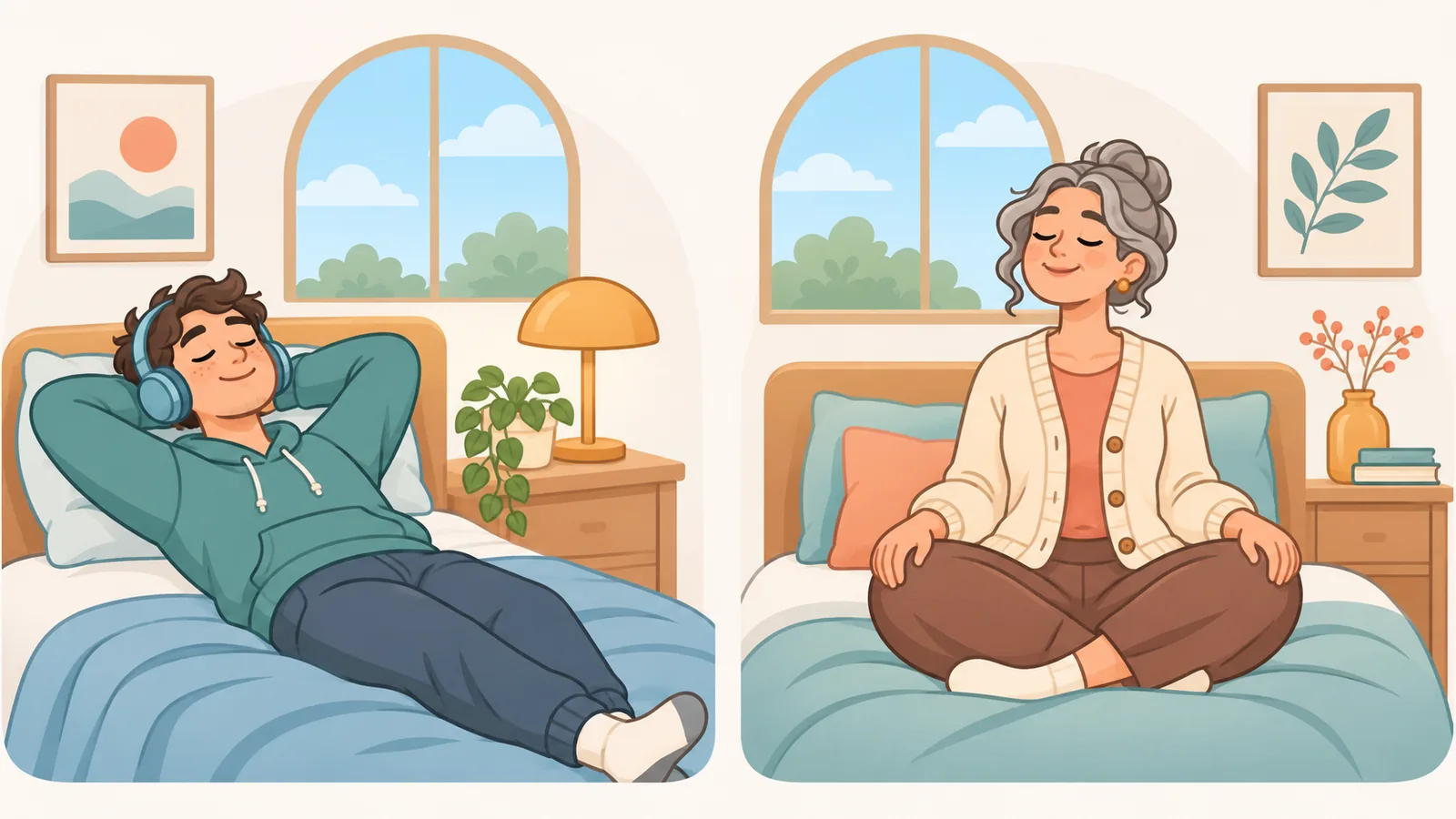
- Your body feels tense: a body-scan style track, as yoga nidra often uses, may feel natural.
- Your mind is racing: try a track that gives your attention one steady thing to follow.
- You have little time: choose a short recording you will really finish.
- You dislike lying still: a seated guided session earlier in the evening may suit you better.
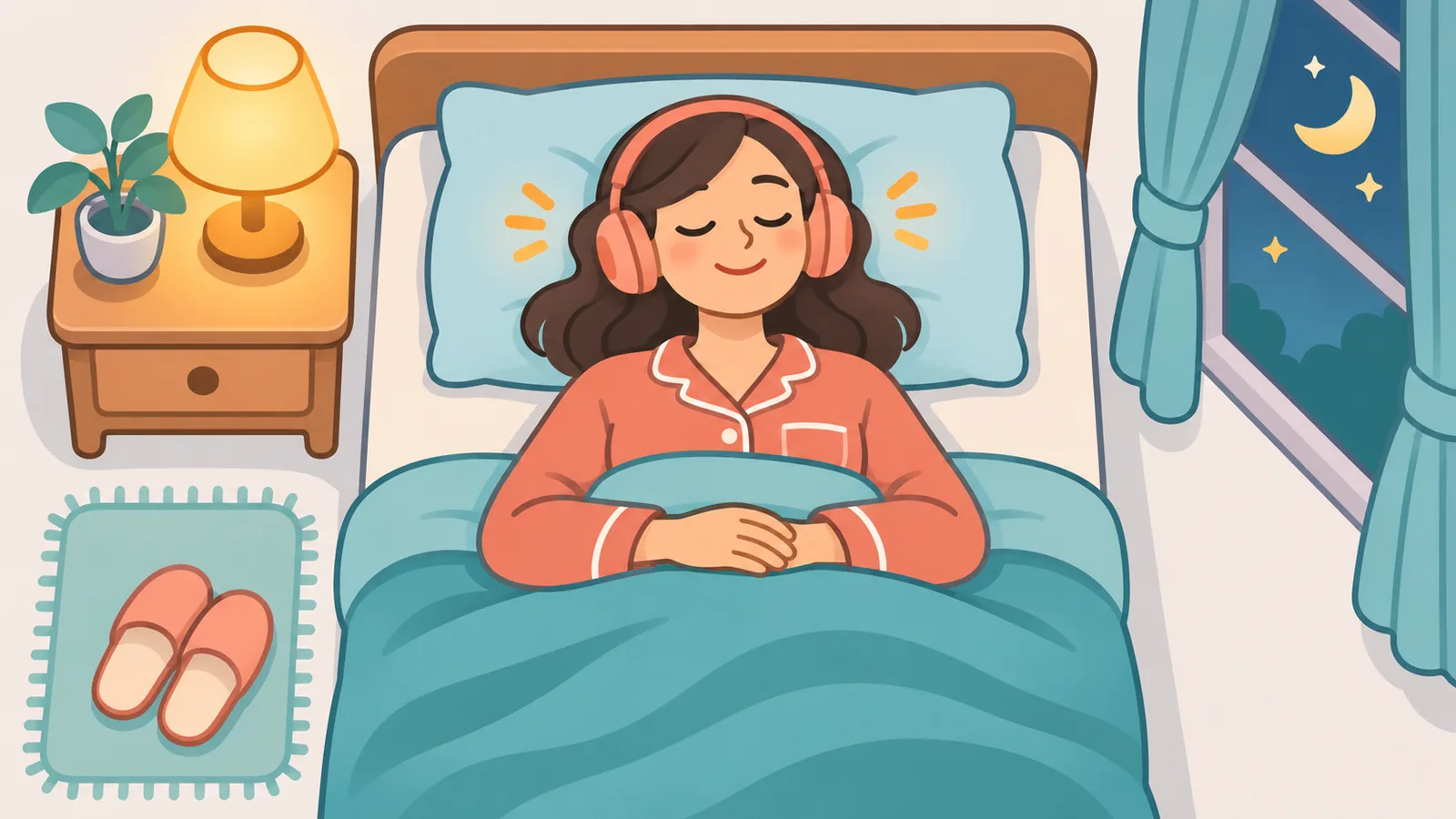
One small note on where to listen. The sources describe yoga nidra as a lying-down practice with audio guidance, but they don’t test bed versus floor. So choose whichever is comfortable.

What does the research say about yoga nidra and sleep?
Promising but early. The studies are small, and they don’t answer the question of which method is better.
What did the 2025 systematic review find?
A systematic review of randomized trials included 6 trials and 244 participants. Some sleep-related measures improved in some studies. However, interventions and measurements differed across trials, and most had a moderate to high risk of bias.

The authors also noted that safety data were not well reported. Their conclusion was that better clinical trials are needed.
What about guided meditation?
The 2025 VA/DoD guideline found insufficient evidence to recommend for or against mindfulness meditation for chronic insomnia. NCCIH likewise says there isn’t enough good evidence to judge its effect on insomnia. Neither source evaluated yoga nidra on its own.

🛒 Recommended Product
Yoga nidra vs. CBT-I for chronic insomnia
CBT-I (cognitive behavioral therapy for insomnia) remains the best-supported treatment. Yoga nidra has not been shown to beat it.
In a 2021 trial, 41 adults with chronic insomnia were assigned to yoga nidra (21 people) or CBT-I (20 people). Both groups reported improvements in sleep time, sleep efficiency, and sleep quality.
Here’s the catch: the trial was small, and repeat sleep-lab testing was done only in volunteers. The results can’t be applied to every person with insomnia.
NCCIH adds that evidence for relaxation techniques alone in chronic insomnia is limited and low in quality. It also notes that multicomponent CBT-I is the most strongly recommended approach. In short, feeling you sleep better is not the same as treating an insomnia disorder.
How to start yoga nidra at home
Lie down, press play, and follow the voice. These steps are practical guidelines, not clinical guarantees.

- Pick a guided audio or video recording.
- Get comfortable lying down.
- Dim the lights and silence notifications.
- Follow the body, breath, and imagery sequence.
- Repeat for a couple of weeks and note how you feel.
When to talk to a clinician
If sleep trouble keeps happening, see a clinician instead of relying on relaxation alone. Don’t stop or replace any existing treatment on your own.

You can ask about CBT-I and other options. Bringing a few notes about your sleep from the past couple of weeks makes that visit more useful.
Bottom line
Yoga nidra and guided meditation are similar in kind, and research hasn’t shown that one gives better sleep results. Either can serve as a low-risk wind-down habit, while CBT-I is the standard for insomnia.

For tonight, choose one guided recording of 10 to 20 minutes and try it before bed.
FAQ
Is yoga nidra just meditation lying down?
Largely, yes. Some researchers consider it a form of guided meditation, though definitions vary between sources.
Which is better for sleep, yoga nidra or guided meditation?
No source reviewed compares them directly, so neither can be called better. Choose the one you’ll stick with.

Can yoga nidra replace CBT-I or medication?
No. CBT-I is the most strongly recommended insomnia treatment, and you shouldn’t change treatment without talking to your clinician.
How long before I should expect any benefit?
The evidence is limited and individual results vary. The sources reviewed don’t support a specific timeline.
Try one guided session tonight. If sleep problems persist, talk to a clinician about your options.
Sources
- Sleep Foundation, Yoga Nidra for Sleep: Benefits and How to Get Started
- Efficacy of Yoga Nidra in Managing Sleep Disorders: A Systematic Review of Randomized Controlled Trials (PubMed)
- National Medical Journal of India, Yoga nidra practice shows improvement in sleep in patients with chronic insomnia
- VA/DoD Clinical Practice Guideline for Chronic Insomnia Disorder and Obstructive Sleep Apnea (2025)
- NCCIH, Sleep Disorders and Complementary Health Approaches
Try Atovia’s free tool for this topic →
Want more comparisons and buying guides?
Citing this article
Source: Atovia (Atovia). https://atovia.kr
This article was written by Atovia with the help of AI tools. If you spot an error, please let us know via Contact and we will review and fix it.
Health, money and legal content here is general information and is not a substitute for advice from a qualified professional.