
⚠️ This page connects you to Atovia’s partners and affiliate markets. We may receive a commission from affiliate partners for activities made through these links. Discount offers may change at any time according to policy! Rest assured, there are no additional costs to you! We hope this saves you time in finding the right items!
There is no single “best” surgery for every man with an enlarged prostate. The right choice depends on prostate size, symptoms, medications, sexual priorities, and overall health. This guide compares the main options (TURP, HoLEP, GreenLight laser vaporization, Rezūm, UroLift, and simple prostatectomy) so you can have a more informed conversation with your urologist.
This article is general information, consistent with American Urological Association BPH guidance and NIDDK patient information. It is not individualized medical advice.
- When Surgery for an Enlarged Prostate Is Considered
- How Doctors Decide Which Procedure Fits You
- Procedure Overview at a Glance
- TURP: The Long-Standing Standard
- HoLEP and Other Laser Enucleation
- GreenLight Laser Vaporization
- Minimally Invasive Options: Rezūm and UroLift
- Simple Prostatectomy for Very Large Prostates
- Risks and Side Effects to Discuss
- Recovery Timeline: What to Expect
- Candidate Checklist and Questions to Ask Your Urologist
- Frequently Asked Questions
- No single option is best for everyone. Prostate size, personal goals, and overall health decide.
- TURP and laser enucleation generally offer strong, durable symptom relief.
- Minimally invasive options such as UroLift and Rezūm are more likely to preserve ejaculation but may have a higher chance of later retreatment.
- Surgeon experience matters, especially for HoLEP.
- Always make the final decision with a urologist who has examined you.
When Surgery for an Enlarged Prostate Is Considered
Benign prostatic hyperplasia (BPH) is a non-cancerous growth of the prostate that can squeeze the urethra and make urination difficult. Many men manage symptoms well with lifestyle changes and medicines such as alpha-blockers or 5-alpha-reductase inhibitors, which are typically tried first.
A procedure is usually considered when medicines are not enough, cause problems of their own, or when BPH leads to complications. Common reasons include:
- Persistent bothersome symptoms such as a weak stream, frequent urination, or waking at night to urinate
- Urinary retention, meaning difficulty emptying the bladder or being unable to urinate
- Recurrent urinary tract infections
- Bladder stones
- Recurrent bleeding from the prostate
- Kidney problems related to blocked urine flow
Treatment options fall into three broad groups: medicines, minimally invasive procedures (often done as outpatient treatments), and surgery that removes or reshapes obstructing tissue. Each group has different trade-offs in symptom relief, recovery, and side effects.
How Doctors Decide Which Procedure Fits You
Your urologist weighs several factors before recommending a procedure:

- Prostate size: Some procedures suit small to moderate glands, while others are better for large or very large glands. Exact cutoffs vary by device, guideline, and surgeon.
- Prostate anatomy: For example, a prominent median lobe (tissue that protrudes into the bladder outlet) can make some options less suitable.
- Age and other health conditions: Heart, lung, and other conditions affect fitness for anesthesia.
- Blood thinner use: Some procedures are considered more often when stopping blood thinners is difficult. Never stop these medicines on your own.
- Sexual and fertility priorities: Some BPH medicines and most procedures can affect ejaculation.
Common tests used for planning include a symptom score questionnaire, a urine flow test, a post-void residual measurement (how much urine stays in the bladder after urinating), and ultrasound or other imaging to estimate prostate size. In some cases, a cystoscopy (a look inside the urethra and bladder with a thin camera) is also used.
Procedure Overview at a Glance
The table below uses general, relative comparisons. Real outcomes vary by person, device, and surgeon, and availability differs by region and facility.
| Procedure | Typical Prostate Size | Symptom Relief | Recovery | Ejaculation and Retreatment |
|---|---|---|---|---|
| TURP | Small to large | Strong and durable | Short hospital stay, temporary catheter | Retrograde ejaculation common; retreatment less common |
| HoLEP (laser enucleation) | Small to very large | Strong and durable | Short hospital stay, temporary catheter | Retrograde ejaculation common; retreatment low |
| GreenLight laser vaporization | Small to moderate-large | Strong, may be less durable in larger glands | Short stay or same day, temporary catheter | Retrograde ejaculation common; retreatment may be higher than enucleation |
| Rezūm (water vapor) | Small to moderate | Moderate | Outpatient; some men need a short-term catheter | Ejaculation more often preserved; retreatment more likely |
| UroLift (prostatic implants) | Small to moderate, no prominent median lobe | Moderate | Outpatient; often quick return to light activity | Ejaculation usually preserved; retreatment more likely |
| Simple prostatectomy | Very large | Strong and durable | Longer hospital stay and longer recovery | Retrograde ejaculation common; retreatment low |

“Best for” shorthand, always framed as typical rather than absolute: laser enucleation or simple prostatectomy for very large glands, minimally invasive options for men whose top priority is preserving ejaculation, and GreenLight for some men on blood thinners.
TURP: The Long-Standing Standard
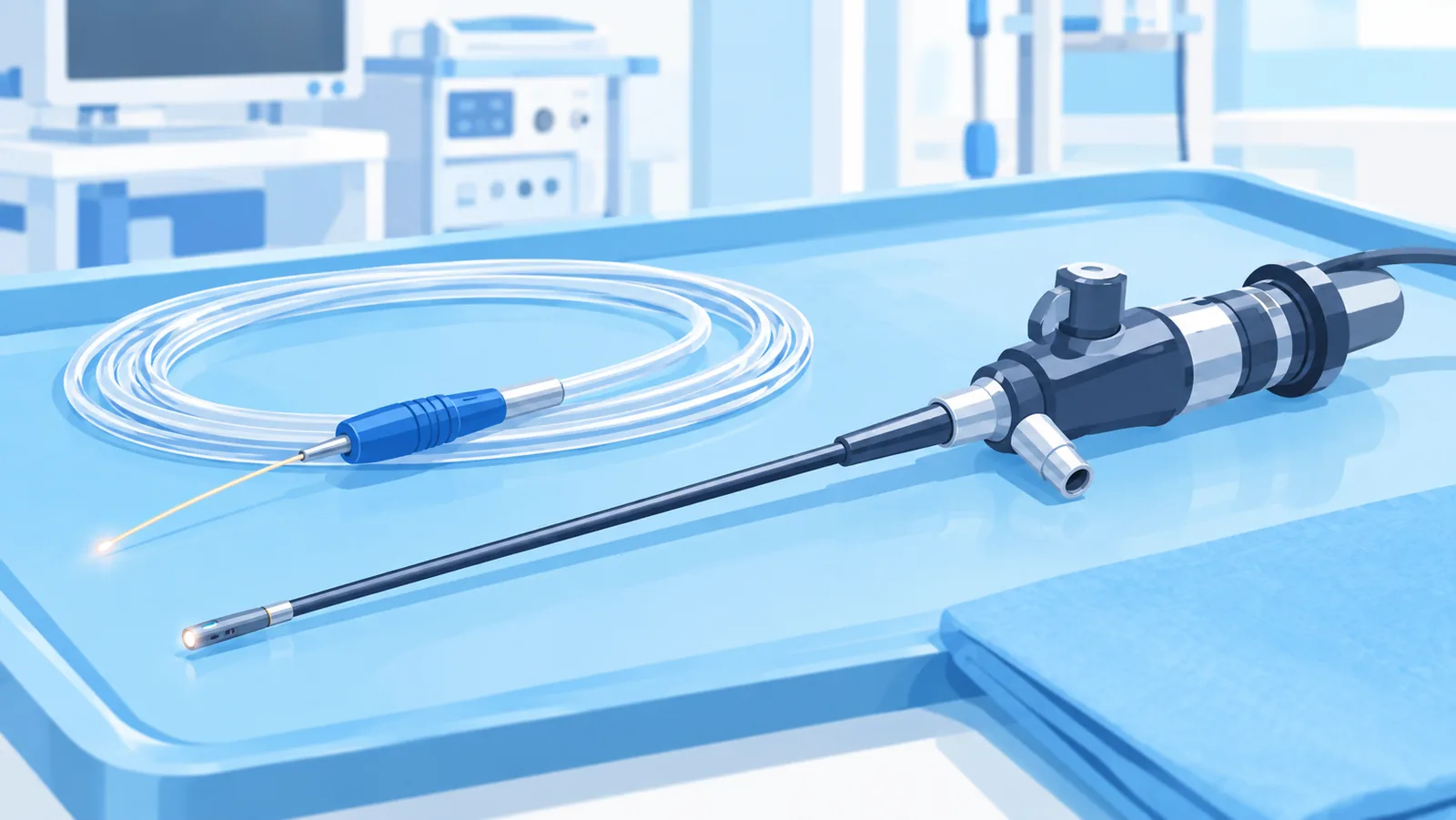
Transurethral resection of the prostate (TURP) removes obstructing prostate tissue through the urethra using a small scope and an electrical loop, with no external incision.
Who it typically suits: Men with small to large prostates who want strong, well-established symptom relief.
Recovery: TURP often involves a short hospital stay and a temporary catheter, sometimes removed within a day or two and sometimes kept longer. Blood in the urine is common for a while. Recovery varies by person.
Trade-offs: Risks include bleeding, urinary tract infection, retrograde ejaculation, and narrowing of the urethra or bladder neck. A rare fluid and sodium imbalance known as TUR syndrome has been associated mainly with older non-bipolar methods. TURP has a long track record, and results are generally durable.

HoLEP and Other Laser Enucleation
Holmium laser enucleation of the prostate (HoLEP) uses a laser to separate the inner portion of the prostate from its outer shell, then removes that tissue through the urethra. Other enucleation techniques work on a similar principle.
Who it typically suits: A wide range of prostate sizes, including very large glands, which makes it an alternative to open surgery for some men.
Recovery: A short hospital stay and a temporary catheter are common. Mild urgency or leakage can occur for a time after surgery and often improves.
Trade-offs: Retrograde ejaculation is common. HoLEP has a recognized learning curve, so surgeon experience matters. Retreatment rates are generally low. Availability varies by region and facility.

GreenLight Laser Vaporization
Photoselective vaporization with a GreenLight laser vaporizes obstructing prostate tissue, creating a wider channel for urine to pass.
Who it typically suits: Men with small to moderate-large prostates. It is often considered for men who take blood thinners, because bleeding risk tends to be lower. Decisions about blood thinners belong to your urologist and the doctor who prescribed them. Never stop these medicines on your own.
Recovery: Many men go home the same day or after an overnight stay, usually with a temporary catheter.
Trade-offs: Retrograde ejaculation is common. Because tissue is vaporized rather than removed, no tissue is available for lab examination, and retreatment may be more likely than with enucleation in larger glands.
Minimally Invasive Options: Rezūm and UroLift
Rezūm uses water vapor (steam) injected into prostate tissue to shrink the obstructing portion over the following weeks. UroLift places small implants that hold enlarged tissue away from the urethra, like pulling back curtains.
🛒 Recommended Product
Who they typically suit: Men with small to moderate prostates who want to lower the chance of sexual side effects. UroLift is typically described for glands without a prominent median lobe.
Recovery: Both are usually outpatient. Some men need a short-term catheter after Rezūm, and symptom improvement can take weeks. UroLift often allows a quicker return to light activity.
Trade-offs: Ejaculation is more often preserved than with surgery. Symptom improvement is generally more modest, and the chance of later retreatment is higher. Newer techniques such as water-jet ablation (Aquablation) and prostate artery embolization also exist, with evidence and availability that vary. They are worth asking about but are not covered in the table above.
Simple Prostatectomy for Very Large Prostates
Simple prostatectomy removes the inner part of the prostate through an incision in the lower abdomen. It can be done as open surgery, laparoscopically, or with robotic assistance. It is different from radical prostatectomy for cancer, which removes the entire prostate.
Who it typically suits: Men with very large prostates, or those with other conditions such as large bladder stones that can be treated at the same time.
Recovery: Expect a longer hospital stay and a longer recovery than with endoscopic procedures.
Trade-offs: Results are generally durable, and retreatment is uncommon. Because it involves incisions, it carries added surgical risks, and retrograde ejaculation is common. Many centers now use enucleation instead for large glands, so ask which option your surgeon offers.
Risks and Side Effects to Discuss
Every procedure has trade-offs. Grouping them by how common and how temporary they tend to be can make them easier to weigh.
More common, often temporary
- Blood in the urine for days to weeks
- Burning, urgency, or frequent urination while healing
- Temporary leakage or urgency
Common and often lasting
- Retrograde ejaculation: Semen flows backward into the bladder, leading to little or no visible ejaculate. It is not harmful, but it affects fertility. Men who may want children should discuss this before treatment.
Less common
- Urinary tract infection
- Urethral stricture or bladder neck narrowing
- Need for repeat treatment, more likely with minimally invasive options
- Rare fluid or sodium imbalance (TUR syndrome)
Erectile function is usually preserved after these procedures, though individual outcomes vary and no result can be guaranteed. Some BPH medicines can also affect ejaculation, so mention all your medicines to your urologist.
Recovery Timeline: What to Expect
Recovery varies by procedure, surgeon, and person. These are general patterns, not promises.
- Catheter: Often removed within a day or two after TURP or laser procedures, but sometimes kept longer. Some men need a short-term catheter after Rezūm.
- Activity: Light activity often resumes within days to a couple of weeks for less invasive options. Larger operations take longer. Heavy lifting and strenuous exercise are usually restricted for a period.
- Symptoms: Urinary symptoms can feel worse before they improve, and full benefit may take weeks to a few months, especially after Rezūm.
- Follow-up: Expect check-ups to review flow, bladder emptying, and any lingering symptoms.
Seek prompt medical care for inability to urinate, fever with urinary symptoms, severe pain, or blood clots in the urine.
Candidate Checklist and Questions to Ask Your Urologist
Checklist before your consultation
- Do you know your prostate size from recent imaging or exam?
- Is preserving ejaculation or fertility a priority?
- Do you take blood thinners, and has your prescribing doctor been involved?
- Are you healthy enough for anesthesia, based on your heart, lung, and other conditions?
- How important is avoiding a repeat procedure?
- Have you tried medicines, and did they help or cause problems?
Questions to ask
- Which procedures am I a good candidate for, and why?
- How many of these procedures do you perform each year, and what outcomes do you track?
- What are my chances of needing retreatment?
- Will I likely keep antegrade ejaculation?
- What will my catheter and recovery look like?
- Is this procedure available at your facility, and is it covered by my insurance plan?
- Are newer options, such as Aquablation or prostate artery embolization, worth considering for me?
Frequently Asked Questions
Which surgery has the longest-lasting results?
TURP, laser enucleation such as HoLEP, and simple prostatectomy are generally associated with the most durable relief. Minimally invasive options tend to have a higher chance of later retreatment.

Which option is least likely to affect sexual function?
UroLift is most often highlighted for preserving ejaculation, and Rezūm is also less likely to cause retrograde ejaculation than surgery. Erectile function is usually preserved with all of these procedures, but individual results vary.
Is surgery safe for older men?
Many older men have BPH procedures safely. Your overall health, heart and lung function, and medicines matter more than age alone. Some options are done under lighter anesthesia or as outpatient procedures.
Will BPH come back?
The prostate can continue to grow, and tissue may regrow over time. Retreatment is less common after enucleation and prostatectomy and more likely after minimally invasive procedures.
When should I seek urgent care?
Get prompt medical care if you cannot urinate, have fever with urinary symptoms, severe pain, or blood clots in your urine.
This article provides general information and is not a substitute for individualized medical advice from a qualified urologist.
Ready for the next step? Write down your symptoms, medicines, and questions, then schedule a consultation with a urologist to find the option that fits you.
- American Urological Association. Guideline on the Management of Benign Prostatic Hyperplasia (BPH).
- National Institute of Diabetes and Digestive and Kidney Diseases (NIDDK). Patient information on prostate enlargement and treatments for BPH.
Want more comparisons and buying guides?
Citing this article
Source: Atovia (Atovia). https://atovia.kr